







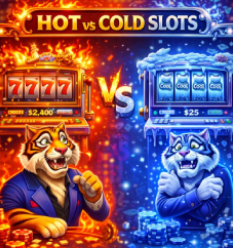
Every player has heard someone claim to have found a “hot” slot machine, or warn others to avoid “cold” ones. Modern hot slot machines use random number generators that make each spin completely independent of the previous one. Understanding this reality will help you make smarter decisions about which games to play at Lucky Tiger Casino.
The hot and cold slot theory has survived for decades despite zero scientific evidence supporting it. Players pass these beliefs from generation to generation, convinced that machines go through cycles of paying out and holding back. This myth appeals to our natural desire to find patterns, but it directly contradicts how modern slot machines actually work.
When gamblers talk about hot slots machine, they're describing games that seem to be paying out frequently at that moment. A "hot" machine might have just given someone a big win, or it appears to be hitting bonus rounds more often than usual. Some players develop elaborate rituals around how to find hot slot machines, watching others play or checking machine temperature display panels for recent payouts.
Cold machines represent the opposite belief—slots that haven't paid anything significant in a while, seemingly stuck in a losing streak. Players describe them as "tight" or "frozen," convinced the machine is deliberately withholding wins. This perception comes entirely from losing sessions, not from any actual change in the machine's programming.
The hot/cold belief made some sense during the mechanical slot era when physical components could wear down. A loose lever might genuinely affect how the machine behaved—this is where the "loose lever theory" originated. However, everything changed when digital RNG technology replaced mechanical parts, yet the outdated beliefs persisted.
Random Number Generators form the foundation of every modern slot machine, and understanding them destroys the hot/cold myth completely. These sophisticated algorithms ensure that gambling outcomes remain truly random and unpredictable. Gaming commissions require this randomness, test for it regularly, and will shut down any operator who tries to manipulate results.
An RNG is a computer program generating thousands of random numbers every second, even when nobody is playing. The moment you press the spin button, the machine grabs whatever number the RNG produced at that exact millisecond. Look for the RNG audit seal on any legitimate slot—this certification proves the game underwent rigorous testing to verify true randomness.
Hot slot machines have zero memory—the software doesn't know what happened on your previous spin. Mathematical independence means past results have absolutely no connection to future outcomes. Regulatory bodies specifically test for this independence, and any machine showing patterns would fail certification immediately.
|
Previous result |
Next spin probability |
Common belief |
Reality |
|
5 losses in a row 📉 |
Unchanged |
"Due for a win" |
Each spin is fresh |
|
Big win 🎰 |
Unchanged |
"Machine went cold" |
Still random |
|
10 small wins ✅ |
Unchanged |
"Hot streak continues" |
Coincidental clustering |
|
No bonus for 100 spins 😤 |
Unchanged |
"Bonus is overdue" |
No memory exists |
|
Just hit jackpot 💰 |
Unchanged |
"Won't hit again soon" |
Equal probability |
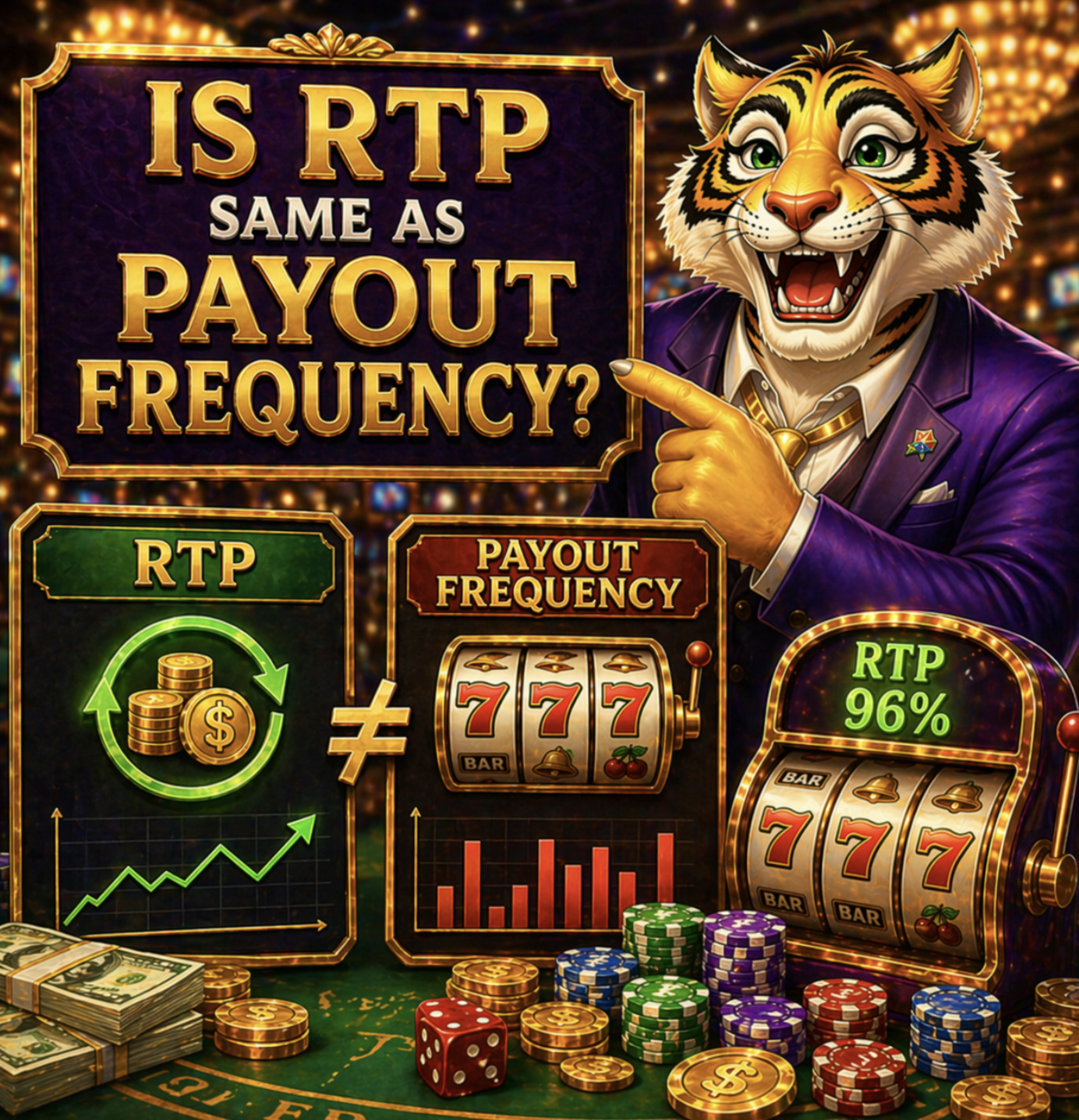
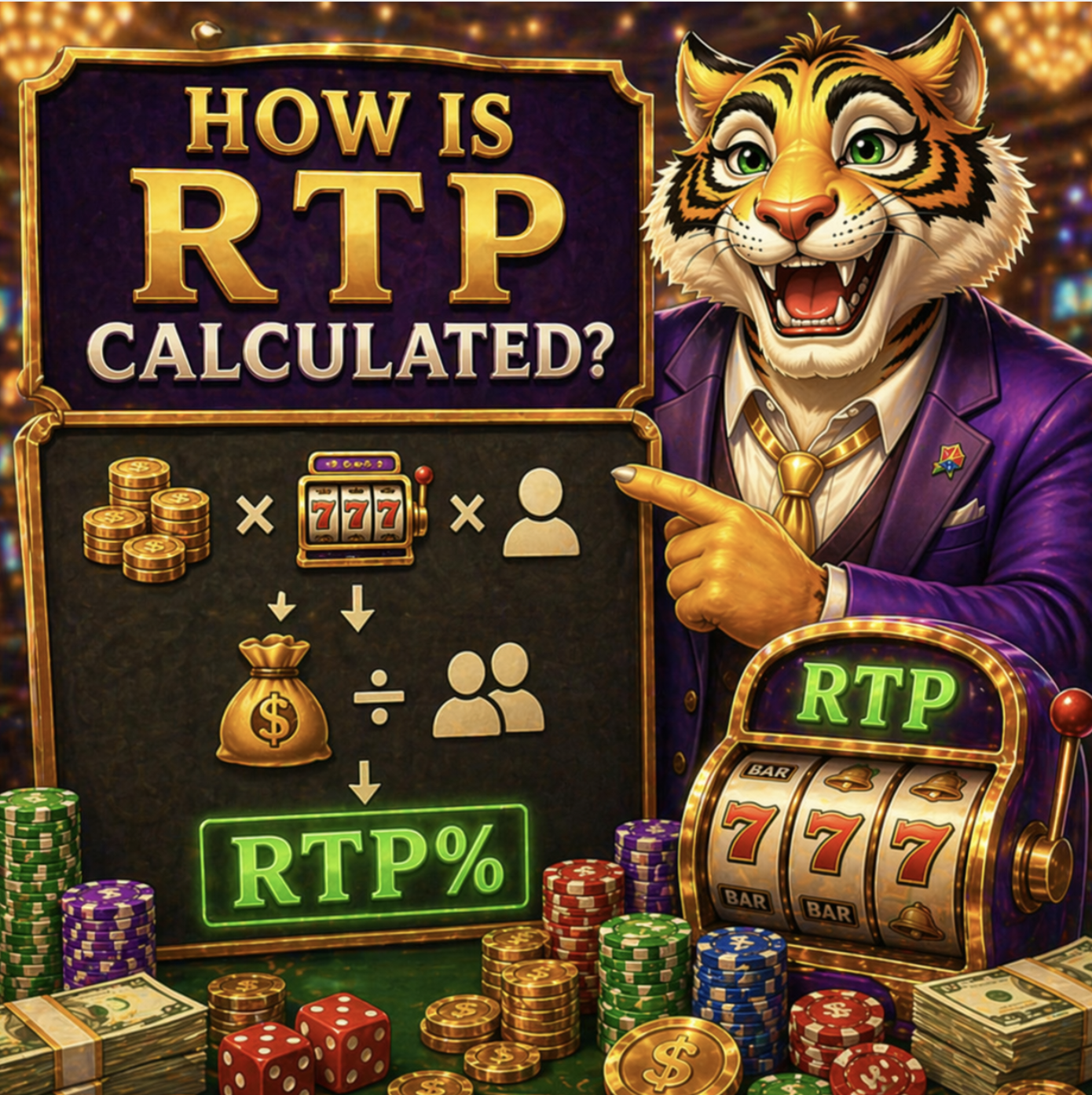
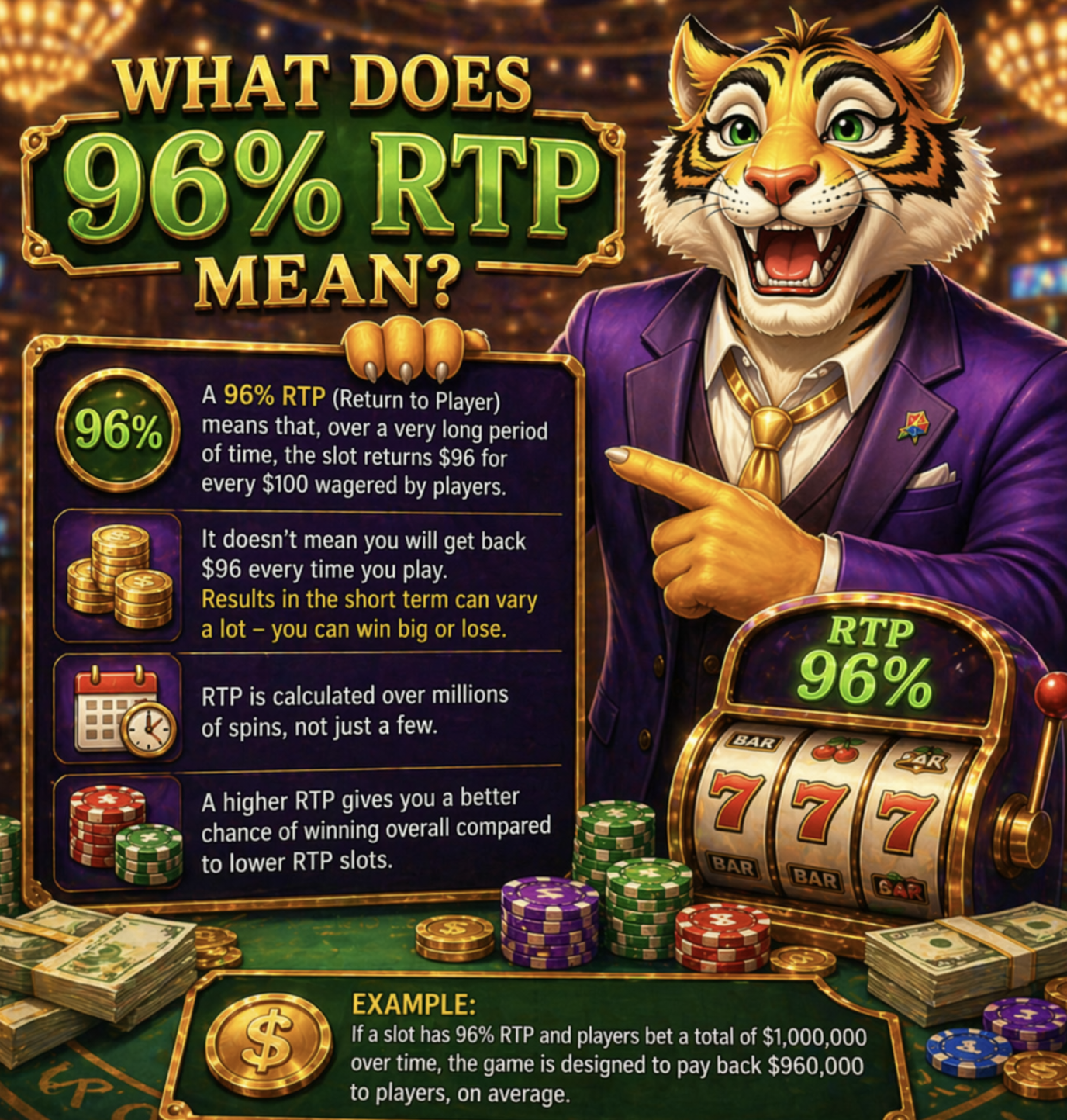
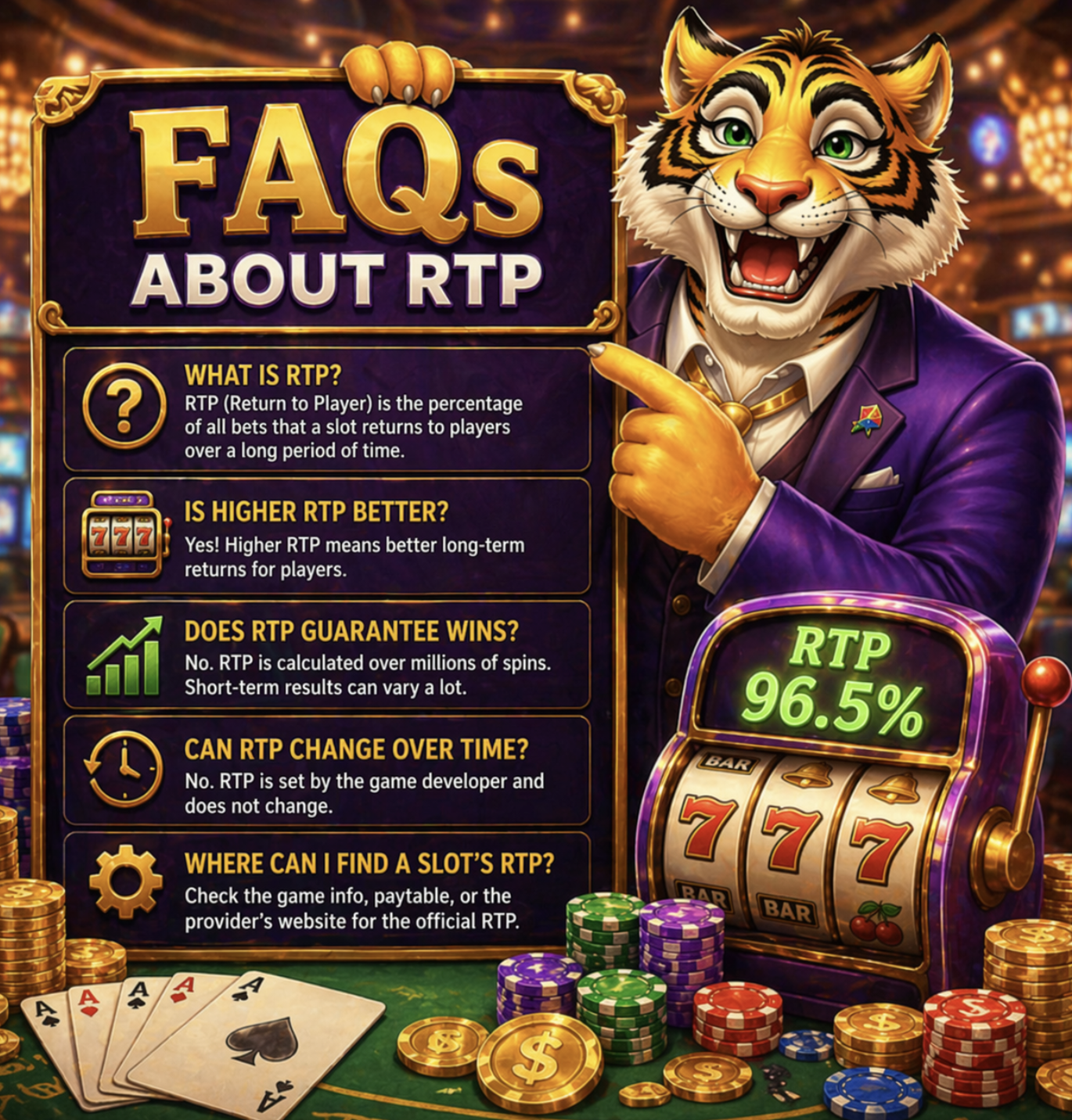
RTP percentages work over millions of spins, not dozens or hundreds. Session variance streaks in short-term play can create wild swings that look like patterns but aren't. A slot programmed to return 96% might return 150% in one session and 70% in the next—both results fall within normal statistical variance.
Variance explains everything that hot/cold believers attribute to machine temperature. It's a mathematical concept describing how much results deviate from expected averages. High variance slots produce dramatic swings in both directions, creating the appearance of hot and cold phases that are actually just randomness behaving normally.
Statistical variance measures how spread out results are from the average. High variance slots might not pay for long stretches, then suddenly deliver massive wins, while low variance games pay smaller amounts more frequently. Neither type is "hotter" or "colder"—they simply have different distribution patterns.
Probability theory guarantees that clusters of similar results will occur in any random sequence. Flip a coin 100 times, and you'll almost certainly see runs of 5 or more heads in a row—not because the coin is "hot," but because randomness naturally produces clusters. Winning streaks aren't anomalous; they're mathematically expected.
|
Streak type |
Probability in 100 spins |
Player interpretation |
Statistical reality |
|
5 wins in a row 🔥 |
~75% likely |
"Keep playing!" |
Normal clustering |
|
10 losses in a row ❄️ |
~40% common |
"Time to leave" |
Expected variance |
|
3 big wins together 💎 |
Uncommon but normal |
"Stay here forever" |
Random coincidence |
|
50 spins no bonus 😐 |
Frequent |
"Bonus is broken" |
Within normal range |
Regression to the mean describes how extreme results tend to be followed by more average ones over time. Many players misinterpret this as "I'm due for a win after losses." That's not what it means—regression applies to averages over large samples, not individual outcomes. The "due-payout belief" has no mathematical foundation.
Players develop elaborate strategies trying to answer how to find hot slots machine. They watch other gamblers, track recent payouts, and wait for machines to "warm up." None of these approaches work because you cannot identify hot slot machines—they don't exist.
Observing someone win on a nearby machine tells you nothing about your own chances. Each slot operates independently with its own RNG, so the machine next to a recent jackpot winner has exactly the same odds. Recent cash-out data from other players has no predictive value for your session.
Some players keep notes about a machine's recent results, believing this reveals patterns. This tracking has absolutely no predictive value because each spin is independent. RTP bucket reporting that some casinos display shows historical data, not future probability.
Vultures wait for other players to "warm up" machines before swooping in. The strategy assumes that watching someone lose means the machine is primed to pay, but this belief has zero mathematical basis. Time spent watching others is time you could spend actually playing.
Human psychology makes us particularly vulnerable to this type of magical thinking. Understanding the cognitive biases involved can help you make more rational gambling decisions.
Confirmation bias makes us remember evidence supporting our beliefs while forgetting contradictions. Win on a machine you thought was hot? You'll remember that forever. Lose on a "hot" machine? You'll rationalize it away or simply forget.
Human evolution favored pattern recognition—our ancestors who spotted a tiger hiding in tall grass survived longer. This useful instinct becomes problematic when applied to truly random events, as our brains constantly seek patterns even where none exist.
Believing in hot and cold machines provides a comforting sense of control in an uncertain environment. If you can identify hot slot machines, you're not just gambling—you're using skill. This illusion makes gambling more satisfying, even when your "strategy" has zero effect.
|
Psychological factor |
How it works |
Example in slots |
How to overcome |
|
Confirmation bias 🧠 |
Remember hits, forget misses |
Remembering "hot machine" wins |
Track all results honestly |
|
Pattern recognition 👁️ |
Finding meaning in randomness |
Seeing trends in random results |
Accept true randomness |
|
Illusion of control 🎮 |
Feeling skilled at random tasks |
Believing timing matters |
Acknowledge RNG control |
|
Recency effect ⏱️ |
Overweighting recent events |
Last 10 spins matter most |
Consider statistical samples |
Progressive jackpots add confusion because some actually do become "due" under specific circumstances. Understanding progressive mechanics helps separate legitimate strategy from mythology.
Most progressives trigger randomly, just like any other slot outcome. A $1 million jackpot has the same trigger probability as when it was $100,000. Random-trigger progressives never become due, no matter how large they grow.
Mystery jackpots with maximum hit values represent the one legitimate exception. These must-hit-by progressives guarantee a winner before reaching a specified amount—this is the only situation where timing can be mathematically justified.
Growing jackpots don't increase your probability of winning—they increase the value if you win. You're not betting on a "hotter" machine, you're accepting the same odds for potentially better payoff.
Many casino floors feature LED displays showing recent wins and "hot machine" indicators. These are marketing tools, not predictive information.
Win displays serve one purpose: marketing. Showing that someone just won $5,000 creates excitement and draws players. Machine temperature display features exist to attract players, not inform them—recent wins have zero correlation with future results.
Some casinos use visual indicators suggesting certain machines are "hot." These features provide entertainment value only with no predictive capability. Time-on-device drift tracking shows how long someone has played without indicating anything about future behavior.
💡 Choose slots based on RTP, volatility, and features you enjoy—never based on recent history displays. The machine nobody's playing has identical odds to the one surrounded by hopeful vultures.
Evidence-based slot selection replaces hot/cold superstition with factors that genuinely affect your experience.
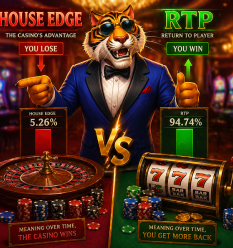
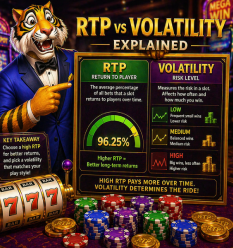
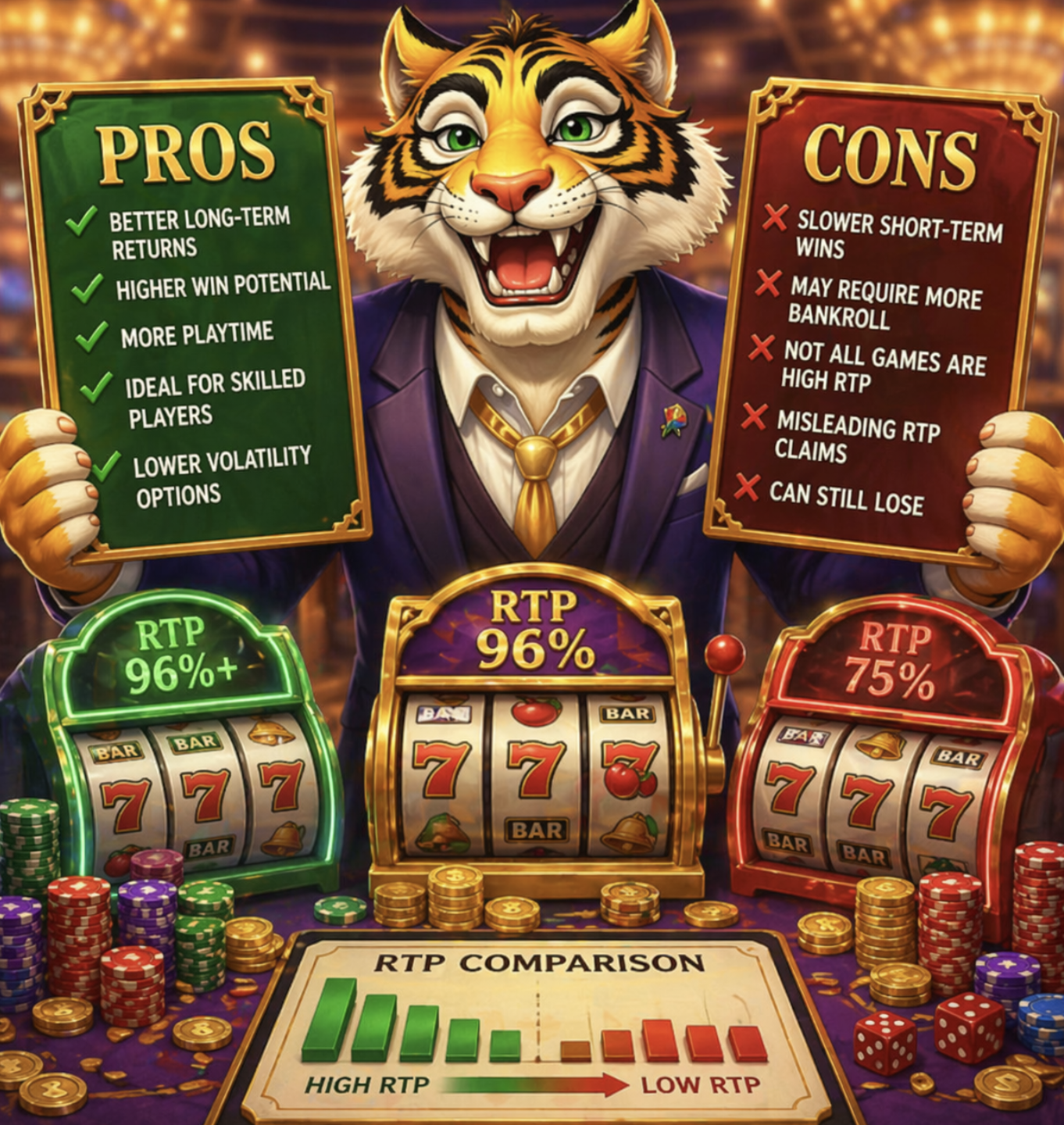
RTP represents the only "temperature" with actual meaning—a 97% RTP slot returns significantly more over time than a 94% RTP slot. Use published RTP percentages rather than hunting mythical hot slot machines.
|
Factor |
Importance |
How to check |
Why it matters |
|
RTP % 📊 |
Critical |
Game info/paytable |
Actually affects expected return |
|
Volatility 📈 |
High |
Game description |
Matches your risk tolerance |
|
Bonus features 🎁 |
Medium-High |
Demo play/reviews |
Affects enjoyment and win potential |
|
Min/max bet 💵 |
Medium |
Game interface |
Fits your budget |
Volatility matching matters far more than machine history. High volatility games require larger bankrolls to survive dry spells, while low volatility suits smaller bankrolls seeking extended play time.
Different slots offer different bonus structures—some trigger features regularly with modest payouts, others rarely trigger but deliver huge wins. Neither approach is "hotter." Evaluate which bonus style matches your preferences.
Play games you genuinely find entertaining, regardless of anyone's claims about their "temperature." Session satisfaction depends more on enjoying your chosen game than on hit frequency.
Believing in hot and cold machines leads directly to poor gambling decisions that cost real money.
Machine hunting creates significant opportunity cost. Time spent searching for mythical hot slot machines is time you're not actually playing. Every licensed slot at Lucky Tiger Casino offers the same expected value based on its programmed RTP.
The fallacy that a cold machine "must pay soon" keeps players feeding money into losing sessions far longer than planned. Know when to quit based on your budget, not superstitious beliefs.
The most dangerous behavior involves progressive betting to "warm up" a cold machine. This belief that bigger bets trigger payouts has zero basis in reality—increased bets simply accelerate losses.
|
Behavior |
Justification |
Actual effect |
Better alternative |
|
Machine hopping 🏃 |
Finding hotter machine |
Wastes time, same odds |
Pick one game, stay put |
|
Betting more after losses 📈 |
Machine will heat up |
Accelerated losses |
Maintain consistent bets |
|
Waiting for other players ⏳ |
Let them warm it up |
Waste of time |
Play when ready |
|
Playing longer than planned 🕐 |
It has to pay eventually |
Budget destruction |
Stick to time limits |
The hot/cold myth applies equally to physical casinos and online platforms, as the underlying RNG technology works identically in both environments.
Land-based casinos face additional myths about machine placement—stories claim "loose" machines sit near entrances. These beliefs have no foundation since every machine's RNG is programmed independently regardless of physical location.
Online slots undergo rigorous third-party testing from organizations like eCOGRA and GLI. These certifications verify that online RNG systems produce truly random results meeting the same standards as land-based casinos.
Modern casino floors increasingly use server-based gaming where games download from central servers. Regulatory requirements apply equally to server-based systems with continuous monitoring ensuring compliance.
Gaming professionals unanimously reject hot/cold beliefs—mathematicians, regulators, and professional gamblers all agree that perceived machine temperature has no predictive value.
Academic research consistently demonstrates slot randomness through analysis of millions of spins. Statistical studies find zero correlation between past results and future outcomes.
Gaming commissions verify true randomness through continuous monitoring. Any certified game cannot have temperature variations—RNG audit seals indicate machines passed strict randomness verification.
Serious advantage players focus on exploiting promotions, maximizing comps, and disciplined bankroll management. They select games based on RTP and volatility, not perceived temperature.




























































.png)















 slots.png)









.png)












.png)













.png)



































.png)