






Slot machines have evolved dramatically by 2026. Players now encounter skills and slots mechanics blending casino action with video game elements. This guide examines how Random Number Generator technology compares to modern skill-based alternatives. Understanding these differences helps you select the right experience at any gaming venue.
Casino entertainment traditionally relies on pure chance, but the boundary between luck vs talent grows increasingly unclear. Standard machines offer identical odds to everyone, while skill-based options introduce performance elements affecting potential returns.
Every conventional slot employs a Random Number Generator producing thousands of combinations per second. When you press spin, the RNG instantly locks a result. Symbols appearing on screen merely visualize that predetermined mathematical outcome. Your timing or lucky rituals have zero actual impact.
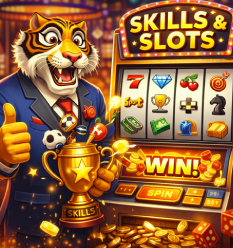
Skills & slots machine technology emerged when casinos noticed younger visitors bypassing slot floors for console games. Developers responded with machines where abilities directly influence bonus payouts. Base spins remain random, but bonus rounds reward reflexes, puzzle-solving, or strategic decisions.
Hybrid slots maintain traditional random base gameplay while inserting skill challenges during features. You spin normally, then suddenly face a target-shooting mini-game determining your multiplier. This approach satisfies regulatory requirements while adding interactive arcade elements for engaged players.
Understanding RNG technology demystifies slot results completely. These systems ensure fairness while operating beyond player manipulation.
RNG certification from independent testing labs guarantees genuinely random outcomes. Agencies like GLI audit these systems regularly, verifying results cannot be predicted or manipulated. Without certification, skill machine cannot legally operate in regulated US markets.
Slots retain zero memory of previous spins. Each pull exists independently, unaffected by past outcomes. A machine paying a jackpot has identical odds on the very next spin. Beliefs about "hot" or "cold" streaks stem from human pattern recognition, not machine behavior.
Traditional RNG slots ignore everything except the spin command. Bet size, timing, stop-button tapping—none affect outcomes already determined. The mathematical outcome locks before symbols start moving. Any feeling of control comes from presentation, not mechanical reality.
Skill-based slot machines introduce genuine player agency during specific segments. Base spins remain random, but video game mechanics during bonuses let performance influence returns.
Modern skill games borrow directly from arcade cabinets. You might pilot spaceships, shoot zombies, or race vehicles. Skilled gaming machines transplant familiar gameplay into casino environments, complete with leaderboards and achievements.
During skill-based bonus rounds, actions create real consequences. A shooting bonus might award $0.50 per target hit—skilled players destroy twenty targets while novices manage eight. This variable payout control differs fundamentally from fixed random outcomes.
What is a skill game machine if not a device with flexible return rates? Unlike fixed-percentage slots, these games theoretically offer different RTPs based on ability. Highly skilled players might achieve 98% during bonuses while novices see 94%.
|
Feature |
Traditional RNG slot 🎰 |
Skill-based slot 🎮 |
Winner's edge 🏆 |
|
Base game |
Completely random |
Random |
Tie |
|
Bonus rounds |
Fixed payouts |
Performance-based |
Skilled players |
|
RTP range |
Fixed (94-97%) |
Variable (92-99%) |
High performers |
|
Learning curve |
None required |
Practice helps |
Traditional for casual |
|
Entertainment |
Passive watching |
Active participation |
Gamers prefer skill |
Skill improves your position within defined limits, but house edge never disappears entirely. The distinction matters for realistic expectations.
US gambling laws require chance to remain predominant. Regulatory standards mandate skill cannot convert negative-expectation games into player-positive propositions. Nevada and New Jersey frameworks permit skill affecting 20-30% of outcomes while requiring 70-80% chance elements.
Every casino game incorporates player influence limits ensuring profitability. Skill segments include maximum payout ceilings favoring venues over infinite sessions. You can win individual rounds, but aggregate returns trend toward the house.
Skills & slots designs include mechanisms capping maximum bonus awards. Perfect scores won't generate unlimited returns. Developers program multiplier ceilings and difficulty scaling preventing exploitation while keeping engagement high.
Current skill game offerings span multiple genre influences. Here's what you'll encounter on modern casino floors.
First-person shooting segments rank among most popular formats. Players aim at moving targets within time limits. Each hit adds credits while misses waste seconds. Hand-eye coordination directly correlates with bonus outcomes.
Role-playing mechanics entered slot design through persistent progression. Players earn experience unlocking features or improved frequency. Some skill based slot machines track accounts, remembering progress across sessions like console games.
Puzzle-based skills and slots bonuses test pattern recognition and strategic thinking. Match-3 mechanics require quickly identifying optimal moves within limits. Strong performers significantly outperform random selection approaches.
|
Mechanic 🕹️ |
How it works |
Player influence 📊 |
Example style 🎯 |
|
Shooting gallery |
Aim and fire at targets |
High – accuracy matters |
Zombie shooter |
|
Racing |
Steer vehicle to finish |
Medium – route selection |
Street racing |
|
Match-3 puzzles |
Swap tiles creating matches |
High – pattern recognition |
Candy-style matching |
|
Rhythm timing |
Hit buttons to beats |
Medium – timing precision |
Music games |
Why do skill elements appeal so strongly to certain players? The answer involves deep psychological preferences around agency and engagement.
Humans naturally seek control over outcomes. Pressing buttons during bonuses creates engagement spinning reels cannot match. Younger demographics particularly value interactivity shaped by controllers and touchscreens.
Psychology distinguishes between perceived and actual control. Many skill elements feel influential while offering limited mathematical impact. Entertainment value matters beyond pure return percentages.
Traditional slots historically attracted older demographics comfortable with passive entertainment. Skill elements target younger players seeking familiar mechanics within casino environments.
Legal frameworks governing skill games balance innovation with consumer protection. Understanding these standards helps players recognize legitimate operations.
Testing laboratories evaluate whether skill elements function as advertised. Auditors verify minimum and maximum RTP ranges, ensuring components operate fairly for all ability levels.
Skill games require disclosing expected ranges rather than single figures. Machines indicate "RTP: 94.5% - 98.2% depending on skill level" for transparency.
Organizations like Gaming Laboratories International verify fairness. Their certification appears on compliant machines, indicating third-party validation of both RNG components and skill mechanics.
Selecting between skill and RNG options depends entirely on what you want from your session. Both styles offer legitimate entertainment—the question is matching games to preferences.
Traditional random slots suit players seeking low-pressure entertainment. No learning curve exists, no practice improves results, and you can zone out while spinning without disadvantage. These games deliver consistent experiences regardless of focus level or fatigue.
💡 Traditional random slots suit players seeking low-pressure entertainment. No learning curve exists, and you can relax while spinning without disadvantage.
Skill games reward dedicated players willing to practice and improve. If you enjoy video games and miss that satisfaction in traditional casino offerings, these titles deliver familiar engagement. Your abilities genuinely matter during bonus segments, creating stakes beyond pure randomness.
Consider skill options when:
Conversely, avoid skill games when:
|
Player type 👤 |
Recommended style 🎰 |
Key benefit 🎁 |
|
Casual relaxer |
Traditional RNG |
Zero pressure |
|
Video gamer |
Skill-based |
Performance rewards |
|
Strategy fan |
Hybrid puzzles |
Mental engagement |
|
Newcomer |
Simple RNG |
Easy understanding |
























.png)


 slots.png)






.png)











.png)










.png)



























.png)