







Players often ask a direct question: can casinos change RTP? In short, the RTP (Return to Player) is usually set by the game provider and certified by regulators, so casinos cannot arbitrarily alter it. However, different versions or regional models of the same slots can have slightly different RTPs, which is why it's important to check the specific game's rules before playing.
RTP is only one part of the story. Variance, regulation, and audits matter just as much. By the end, you'll understand where RTP comes from, why it doesn't "flip" from day to day, and what to look for when choosing a game.
Strategy Tip:
Treat RTP as a compass, not a stopwatch. Use it to compare games, then rely on good bankroll habits.
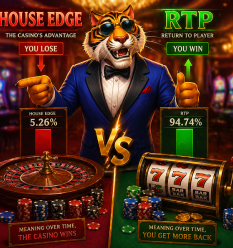
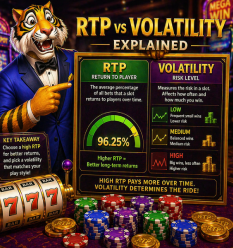
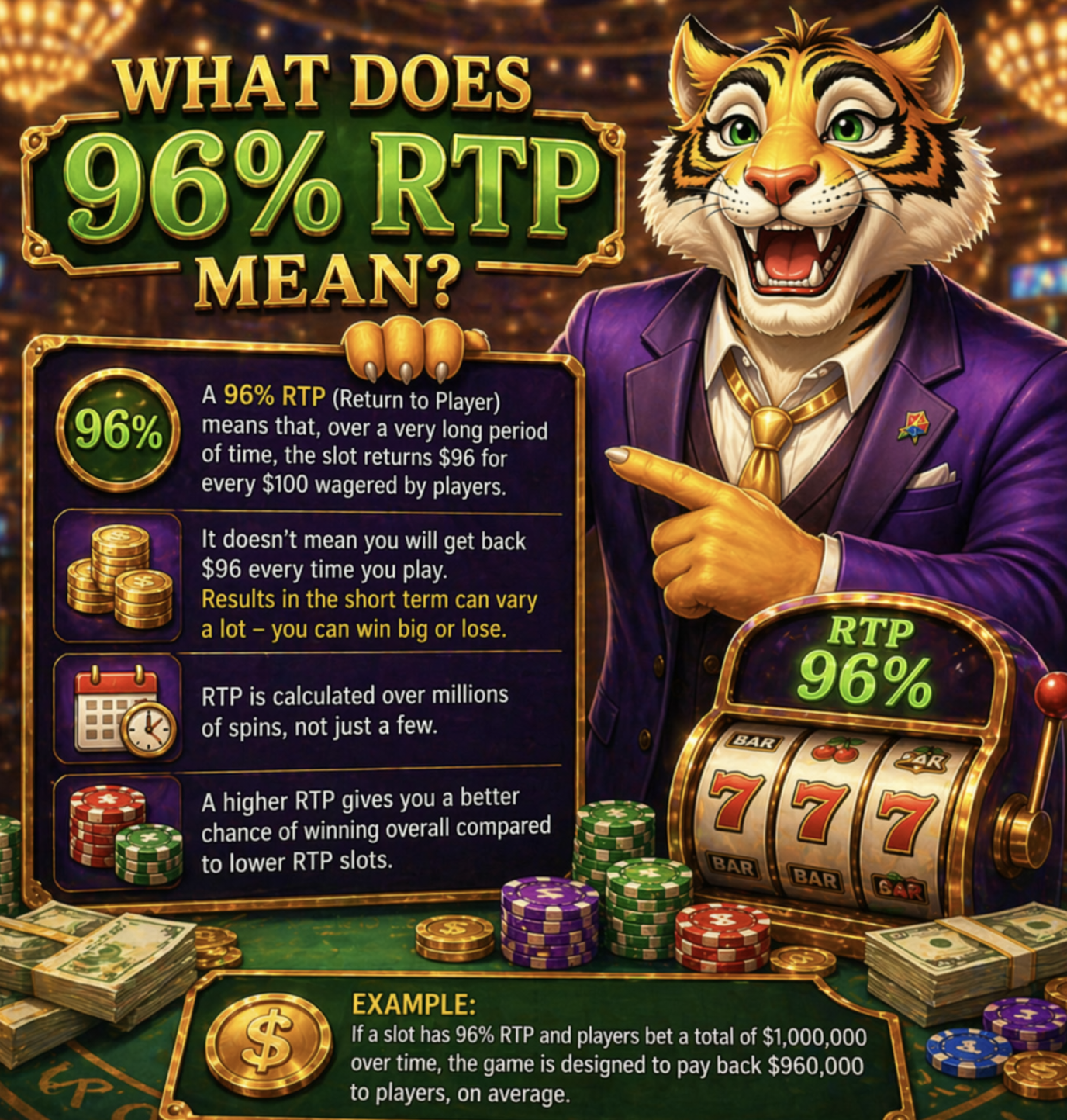
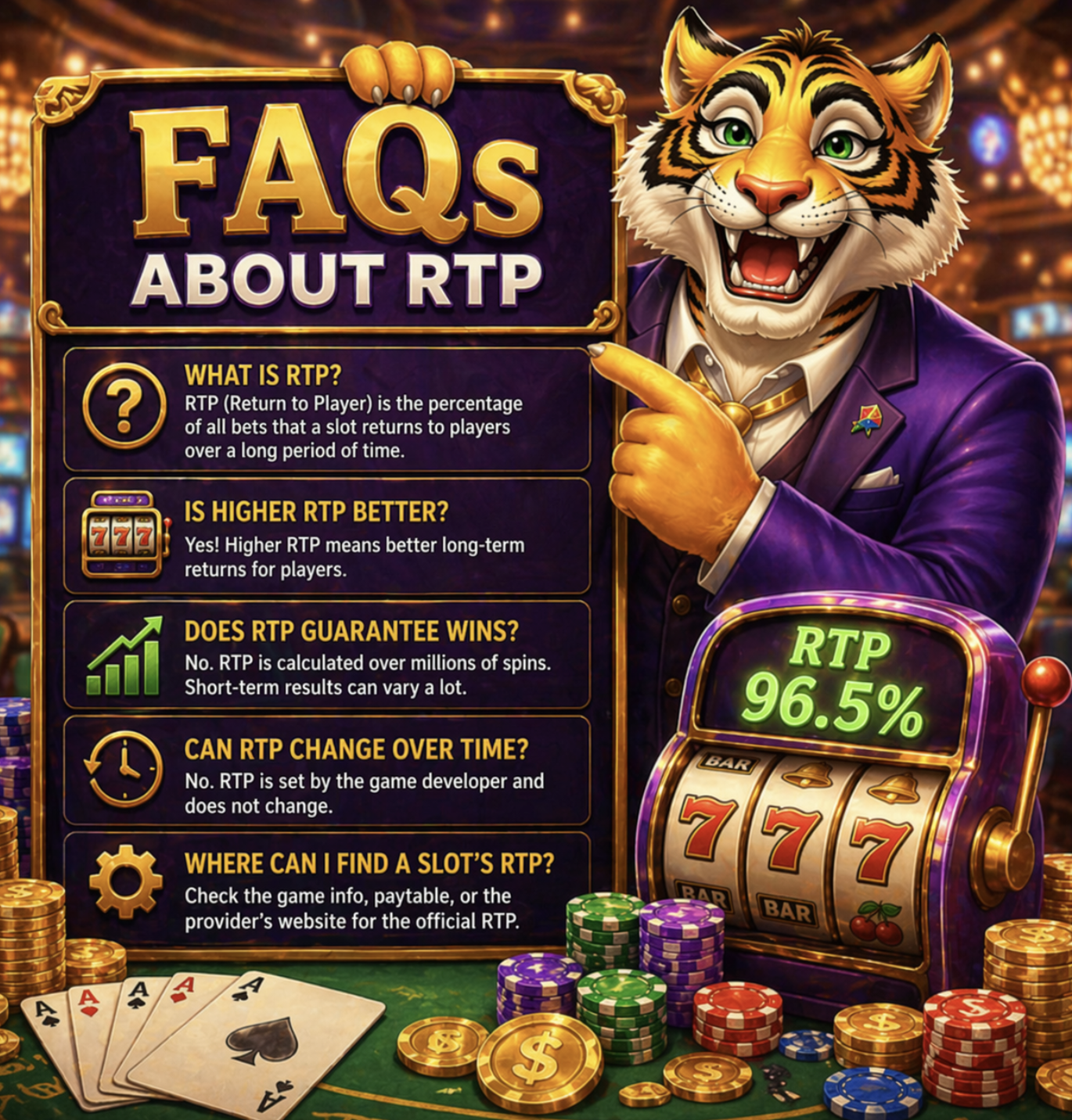
RTP (Return to Player) is the expected long-term percentage of total wagers a slot pays back to players. If a title lists 96% RTP, it means that - over a very large number of spins - the game is designed to return about 96% of all stakes to players and keep the remainder as house edge. This is a statistical average, not a promise for a single session. It helps compare games and promotes slot odds transparency and overall casino fairness.
For everyday Play, treat RTP as a compass, not a stopwatch. A compass tells you which direction is right, but it doesn't guarantee you'll reach a landmark in ten steps. Short sessions can end above or below the posted percentage because wins are distributed unevenly. Over time, the math of the game pulls results toward the published figure.
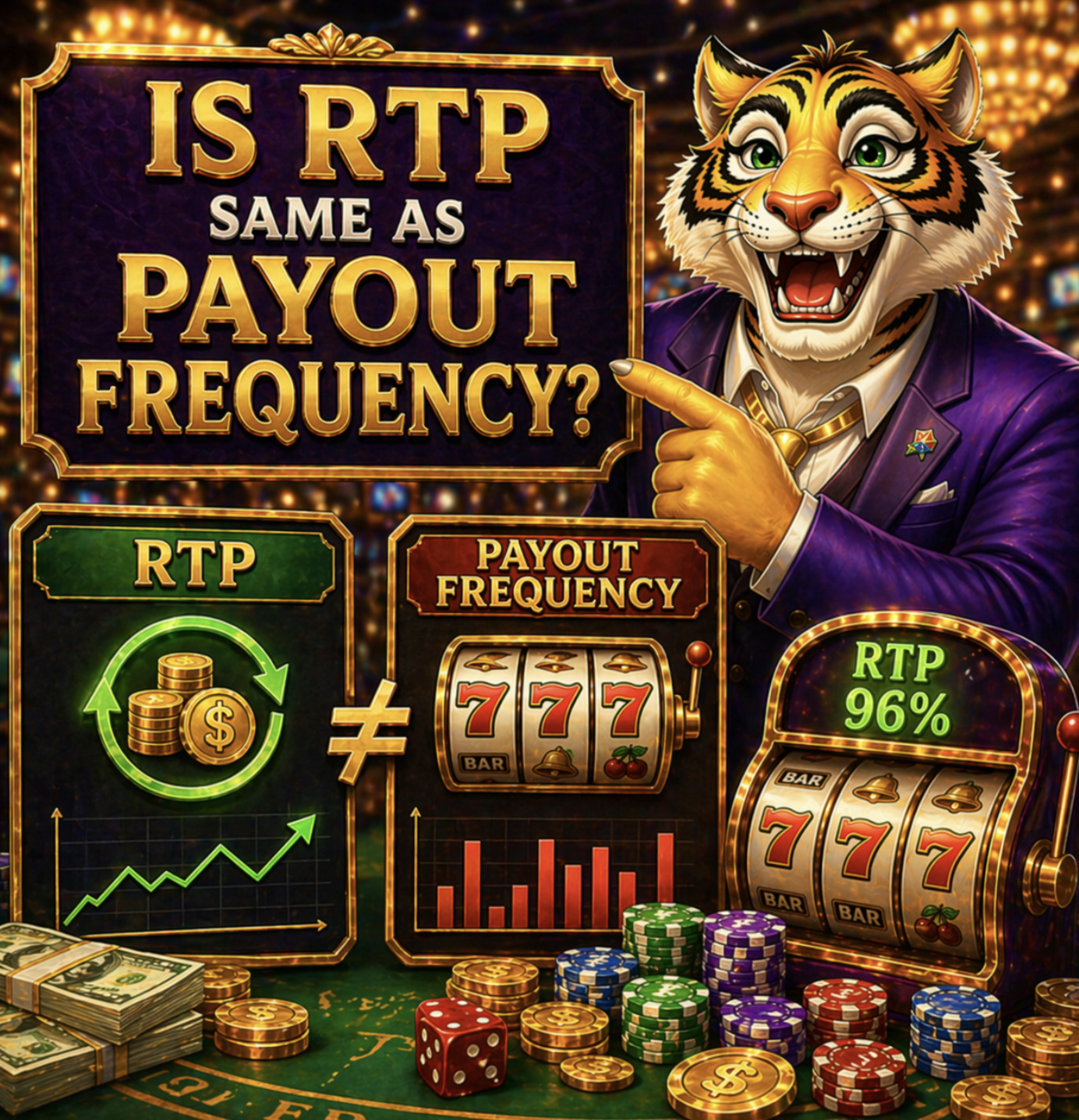
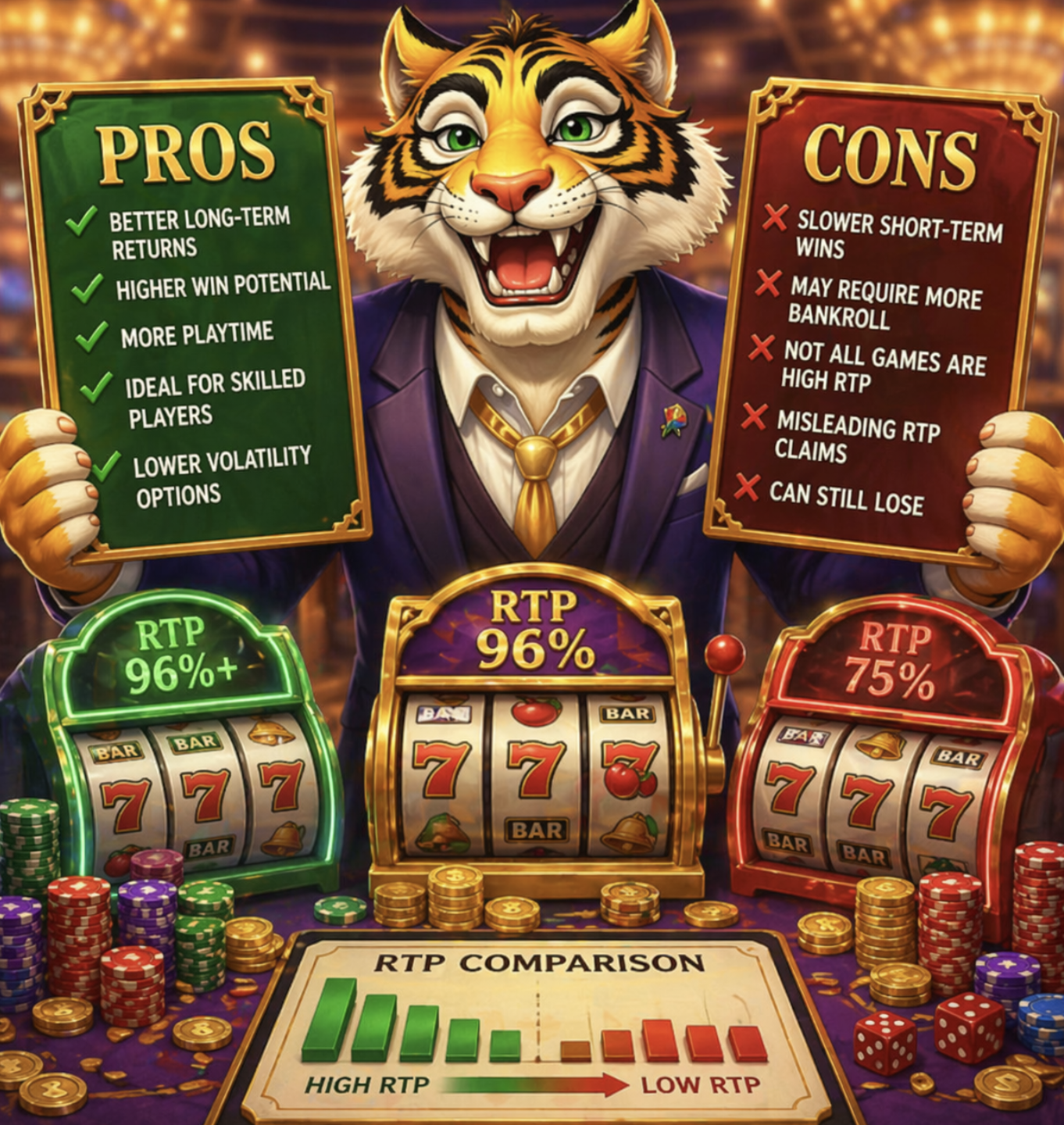
Think of RTP as a budgeting tool. A higher percentage usually means more of your stakes are returned in the long run, which can translate into longer sessions and more time experiencing features. But RTP doesn't control the size or timing of individual hits - that's variance at work. High-volatility titles may deliver long dry spells followed by big moments, while lower-volatility games distribute wins more evenly.
From a practical standpoint, RTP supports player protection by setting clear expectations. It allows you to compare two slots before you start. Still, remember that bankroll management, stake sizing, and session limits matter more to your experience than a one-point difference in RTP. Use the number to choose, then rely on good habits to enjoy the games.
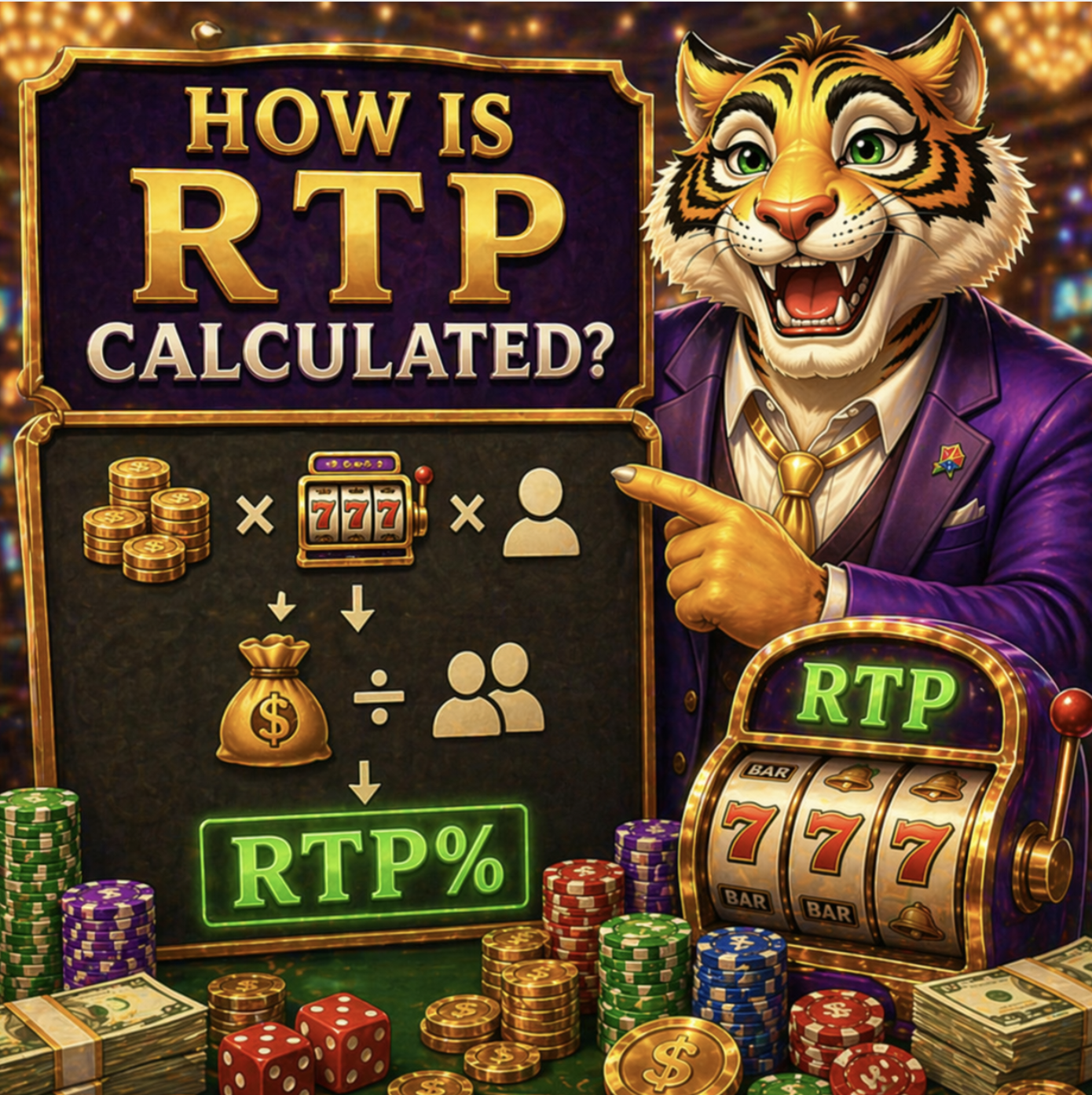
RTP originates in the math model created by the studio. Developers define reel strips, symbol weights, feature triggers, and prize distributions, then simulate millions or billions of spins to validate the target percentage. Only after the model is stable does the studio package the title as certified online slot software.
Some games are built with multiple approved RTP profiles (for example, 96%, 94%, 92%). These options - often permitted by slot machine regulation in certain jurisdictions - are locked inside the game build and submitted for testing before release. Once certified, each profile becomes a fixed, selectable version. Our role is to deploy an approved build; the math itself remains exactly as the studio authored it.
Did you know:
Some games are built with multiple approved RTP profiles, such as 96 percent, 94 percent, or 92 percent.
The question returns again in practical terms: can casinos change RTP after a slot goes live? In regulated markets, no - casinos do not rewrite the math or "turn a dial" on active titles. What we do is choose one of the developer's pre-certified profiles during deployment and keep that selection consistent. The outcome distribution remains anchored to the approved model, supporting fair returns and long-term trust in our lobby online casino.
RTP selection happens once per game build and jurisdiction. After the version is set, our platform treats it as a fixed attribute. Session outcomes then follow variance, not operator tweaks. If the experience feels hotter or colder from week to week, that's volatility speaking, not silent edits to percentages.
In licensed environments, slot regulation defines how payback settings may be offered and who can authorize them. A studio submits its math to testing labs; the lab certifies each RTP profile; the regulator whitelists those exact versions. We then deploy one of the allowed profiles per market. Any change requires a documented update path with new approvals. That's how licensed casino RTP stays predictable and auditable.
Controls include version control, access logs, and periodic inspections. These guardrails are designed for casino fairness and player protection. If a title lists 96%, the figure ties back to the certified math file and its checksum. Our role is custodial: keep the approved version intact, disclose its percentage, and ensure consistent configuration across devices.
Land-based cabinets historically store approved settings on physical media and allow technicians to install a specific payback option. Changing that option is procedural and logged, often requiring machine downtime. It is not a casual toggle in front of guests; it's an audited maintenance event.
Online, the equivalent is choosing a pre-tested configuration of online game software at deployment. Once live, runtime math is not edited. What can change are front-end assets, lobby placement, or promotional framing - none of which alters the certified game software settings. The math engine keeps dealing outcomes according to the selected profile and the randomness controls of the platform.
Bonus insight:
Casinos cannot rewrite math or turn a dial on active titles. They choose a pre-certified profile during deployment.
Players sometimes feel a game "tightened" overnight and circle back to the same question: can casinos change RTP without notice? What you feel session to session is usually volatility doing its job. A 96% figure describes the long arc of millions of spins, not the rhythm of a single evening. Hot streaks, dry spells, and feature clustering can all create the impression of a shifting payback even when the certified model is unchanged.
Another driver is selection bias. We remember the intense moments - big wins or long droughts - and forget the middle. If you return to the same title after a break, lobby placement, new graphics, or a fresh promotion may nudge you to play differently. None of those front-end cues alter the certified math; they simply shape how and when you engage with the game.
Variance (volatility) determines how wins are distributed. High-volatility games save value for occasional larger hits; low-volatility games distribute returns more evenly. Both can share 96% RTP, yet feel totally different across a short session. That contrast fuels myths about changing payback, when in fact the game software settings are constant.
Three common perception traps:
To keep expectations realistic, focus on bankroll planning, stake steps, and session length. Those choices do more for comfort and casino fairness than chasing patterns that variance will erase over time.
Studios and platforms do ship updates, but most patches don't touch certified math. Typical changes include performance optimizations, UI polish, audio balancing, or compliance text for slot regulations in specific markets. When a math change is required (rare), it follows a full recertification path before release.
A quick comparison:
|
Update type |
What it changes |
Affects certified math? |
|
UI/UX assets, sounds, performance |
Look, feel, load times |
No |
|
Lobby placement or promo tags |
Discoverability, engagement |
No |
|
Jurisdictional messaging |
Notices required by slot machine regulations |
No |
|
New math profile (new build) |
A different, pre-approved RTP version |
Yes - but only via recertification and redeploy |
If you see a version note in the game frame, it's usually about compatibility or compliance, not a hidden payback tweak. Certified online game software binds the math to its checksum, keeping fair returns aligned with regulator expectations and player protection standards.
Attention:
If a session feels hotter or colder week to week, that is volatility speaking, not silent RTP edits.
Fair play rests on three pillars: transparent disclosure, independent testing, and strict change control. We present RTP in the game frame or info panel and keep a changelog of versions we deploy. Behind the scenes, external labs validate randomness and payout mapping to safeguard RTP fairness across long-run play. These checks complement player protection tools such as session reminders and configurable limits.
The platform architecture also matters. Certified online game software runs server-side math engines with role-based access and audit trails. That means the outcomes you see are generated by approved code, tracked by immutable logs, and periodically compared against statistical benchmarks. This structure is designed to preserve casino fairness without relying on blind trust.
We operate under license conditions that spell out what we can run, where we can offer it, and how we must monitor results. A licensed casino RTP figure isn't just a number on a screen - it's a commitment backed by regulator rules, independent laboratories, and version control. Inspectors can request evidence at any time, from certification IDs to hash values associated with each game build.
Testing labs simulate colossal spin counts to verify expected returns and edge cases. Regulators then list the approved builds for a jurisdiction. Routine audits and incident reporting ensure slot machine regulation is more than a checkbox; it's a continuous process. If a new build is deployed, it comes with new paperwork and fresh approvals before players ever see it.
If you ever wonder can casinos change RTP, the best answer is verification. Start with the in-game help or info panel: most titles display the percentage clearly, along with version and build identifiers. Cross-check that figure against the game page in our lobby, which mirrors the same data and links to certification references when available.
You can also compare the listed percentage to the developer's official documentation for that title. If a studio publishes multiple certified profiles, we disclose which one is active in your market. Since the math resides in certified game software settings, any difference requires a redeploy - not a stealth tweak - helping maintain slot odds transparency and long-run fair returns.






























































.png)
















 slots.png)










.png)












.png)













.png)







































.png)