







Every smart player checks the RTP slot percentage before committing real money to any game. Return to Player represents the theoretical long term payout ratio that determines how much of your wagered money comes back over time. Understanding this slot fairness metric helps you select games offering better mathematical value. This guide breaks down everything from calculation methods to practical application at Lucky Tiger Casino.
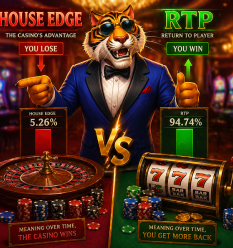
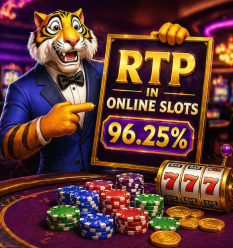
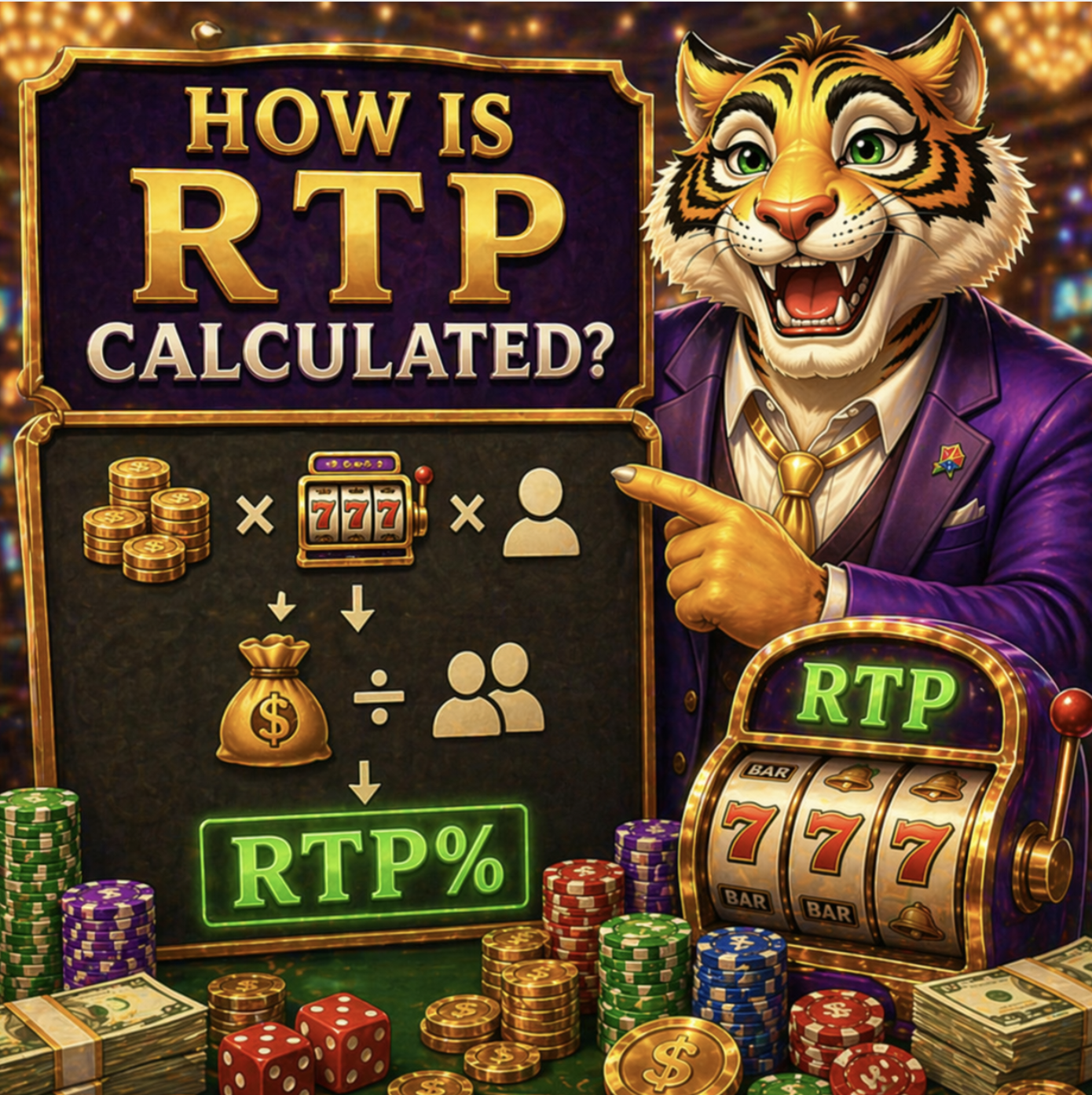
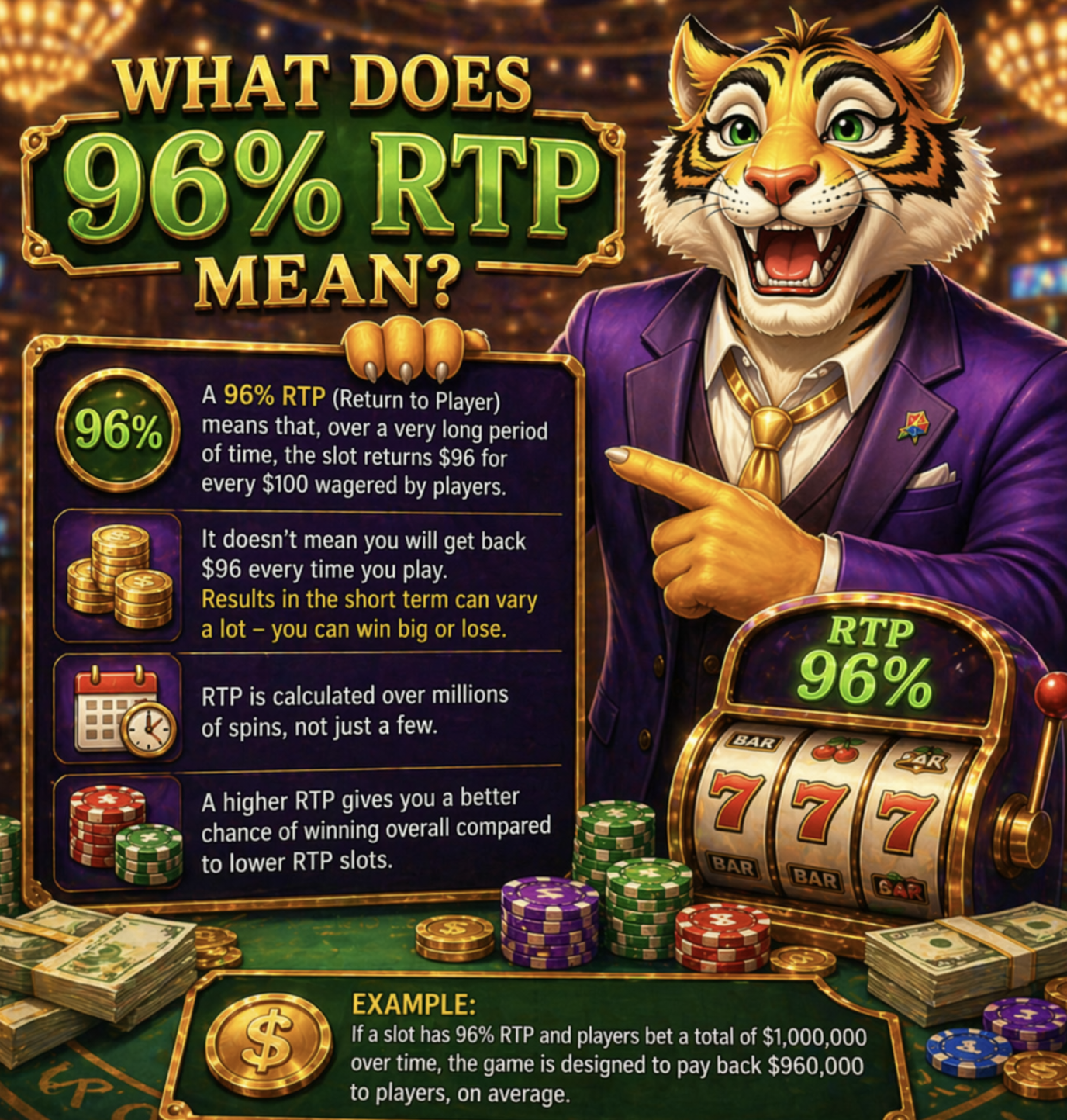
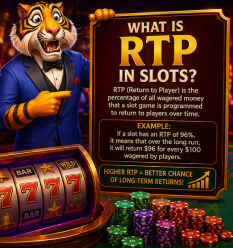
The return to player rate represents the percentage of all wagered money a slot returns to players over billions of simulated spins. The casino keeps everything else as their profit margin, known as the house edge percentage. A 96% Return to Player means the game returns $96 for every $100 wagered across its entire lifetime.
This win expectancy index operates as a mathematical average rather than a guarantee for any specific session. Your actual results can vary dramatically from the stated percentage over hundreds of spins. Think of slot RTP as a long-term tax rate rather than a prediction of your personal outcomes.
Gaming laboratories like GLI simulate between 1 and 5 billion spins to calculate certified RTP values before games reach market. The total player return rate splits into components with base game contributing 60-80%, bonus features adding 15-35%, and jackpot contributions ranging from 0-5%. Field verification continues after launch with online data required to fall within 0.3% of laboratory calculations. This ongoing monitoring ensures RTP slot machines perform as advertised throughout their operational lifespan. Providers submit regular reports demonstrating compliance with stated return percentages across their portfolios.
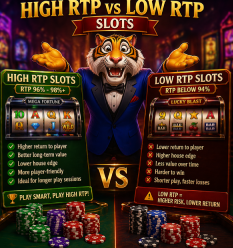
Different player return rate ranges serve different purposes and player preferences across the slot market. This reference helps identify where specific games fall on the return spectrum.
|
📊 RTP band |
🎰 Examples |
💡 Best use |
⚠️ Notes |
|
98%+ |
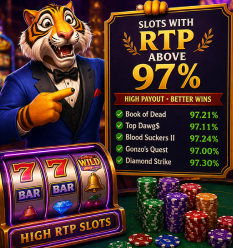
Blood Suckers, Ugga Bugga |
Bonus clearing |
Rare finds |
|
96-97.9% |
Starburst, Gonzo's Quest |
Regular play |
Industry standard |
|
94-95.9% |
Branded titles |
Entertainment |
License fees reduce RTP |
|
Below 94% |
Mega Moolah |
Jackpot hunting |
Base game shreds bankroll |
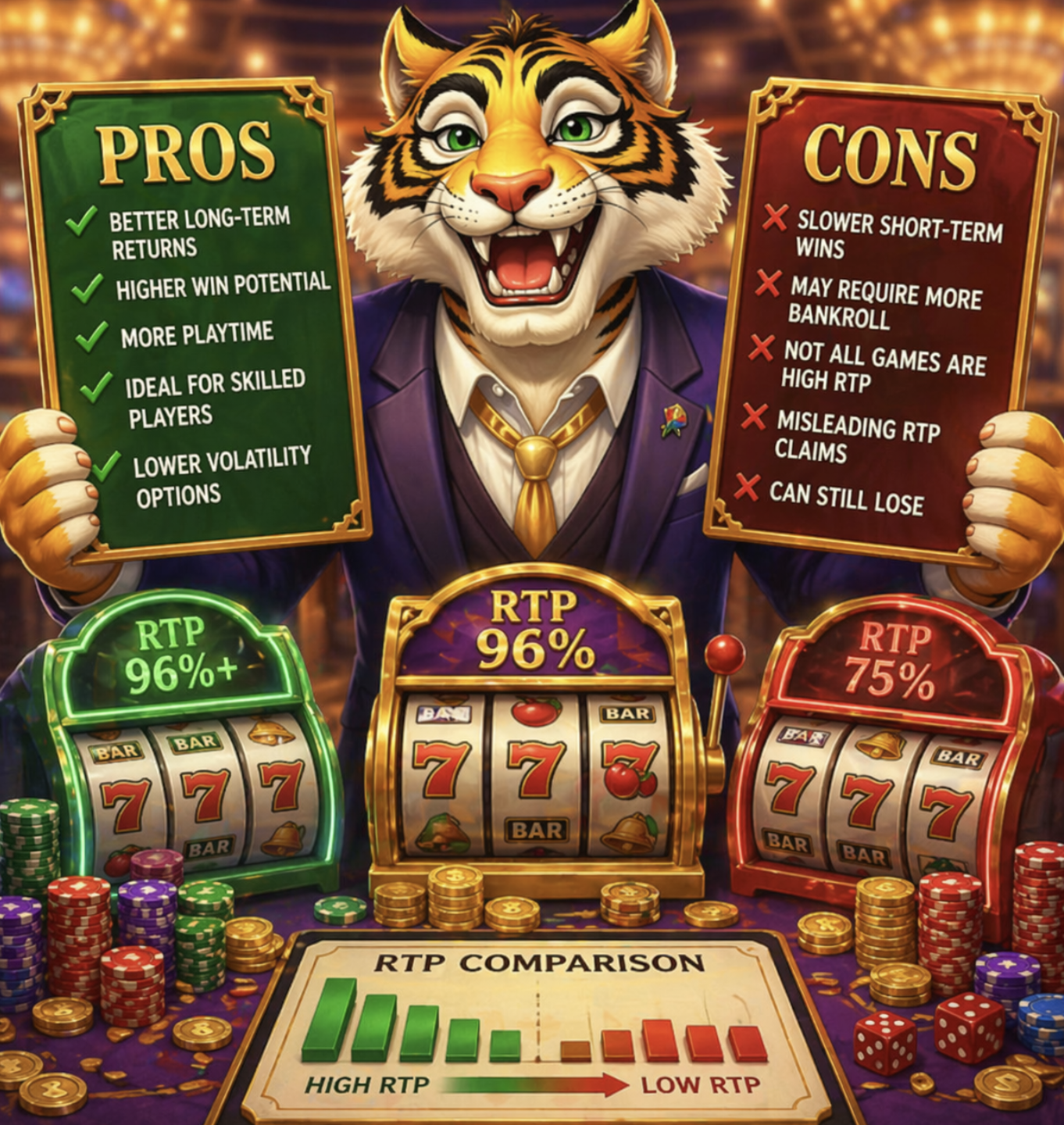
The best RTP slot machines cluster in the 96-97.9% range representing the industry sweet spot. Games below 94% typically feature progressive jackpots where reduced base player return rate feeds growing prize pools.
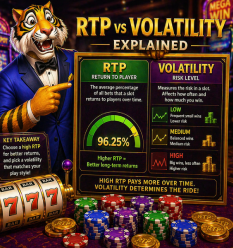
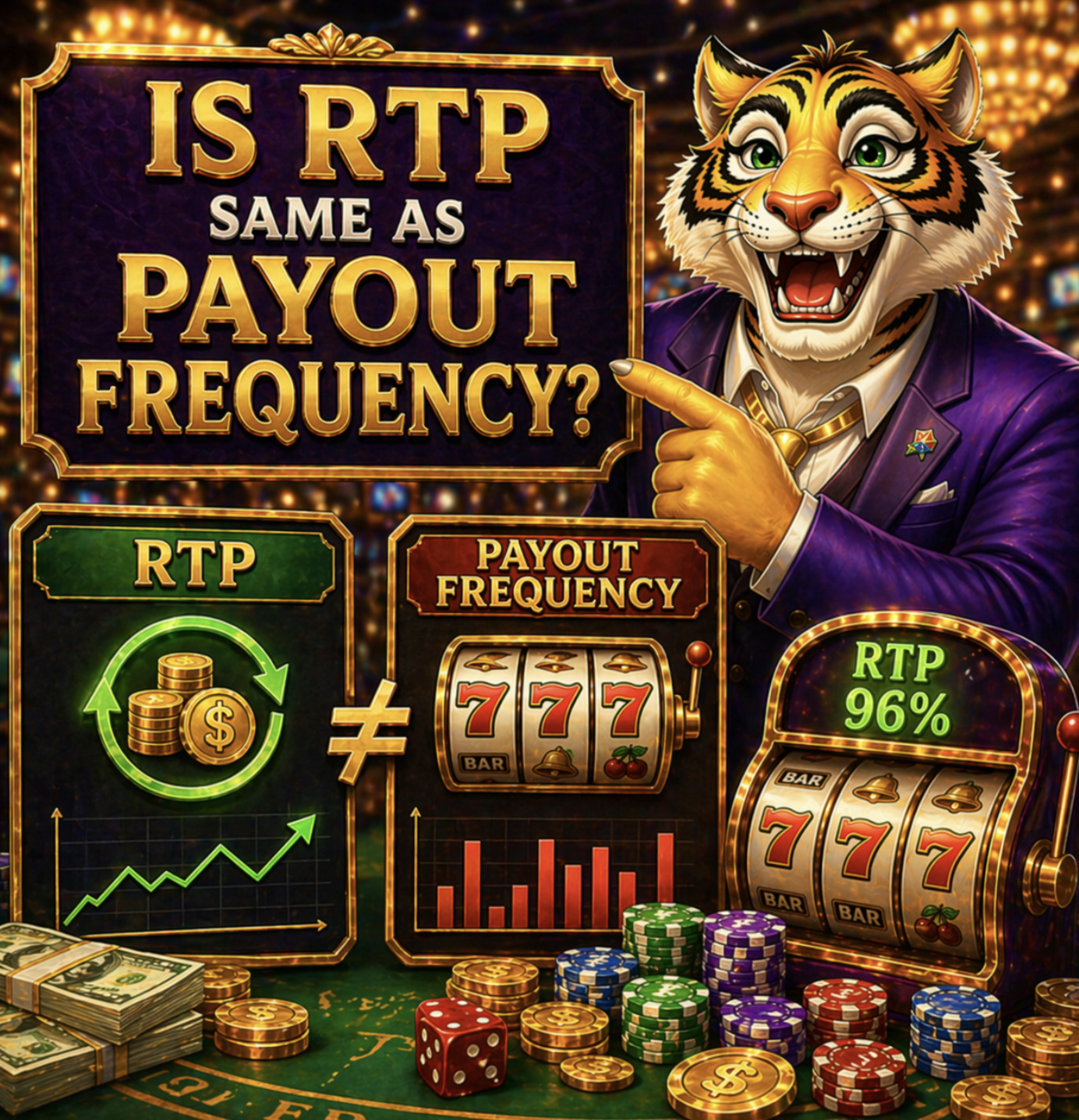
Many players confuse RTP slot with hit frequency, but these metrics measure completely different aspects. A 96% player return rate game could hit on just 18% of spins in high-volatility versions or 42% in low-volatility alternatives. The variance determines your comfort level while Return to Player determines the mathematical tax on wagering.
High Return To Player slot machines don't guarantee frequent wins since returns could concentrate in rare large payouts. Match your playing style to appropriate volatility levels rather than selecting games purely based on return percentages.
Converting house edge percentage to actual dollars makes the cost of play tangible. A 4% edge on $1 stakes equals $0.04 per spin in expected loss. Running 800 spins means approximately $32 in expected "fees" for your entertainment time. Framing slot play as purchasing entertainment rather than seeking profit creates healthier expectations. Compare the hourly cost to movies or concerts to determine appropriate session budgets. The RTP slot machine mathematics ensure the casino profits over time.
Providers typically ship games with 3-5 different mathematical models offering various payout rate configurations like 92%, 94%, 96%, and 97.2%. Casinos select which model to deploy based on their business requirements. The same game can offer dramatically different returns depending on which operator hosts it. Always check the info screen before playing any slot payout rate since appearances provide no indication of underlying mathematics. A slot machine RTP list for any specific game should show which version you're actually playing.
Return to Player splits between base game and bonus features in proportions revealing where value concentrates. White Rabbit demonstrates this with 69% base game contribution and 26% from bonus rounds. Purchasing features directly raises effective player return rate from 96.1% to 96.8% by skipping low-returning base spins. This distribution explains why feature-heavy strategies often outperform grinding through base games. The mathematics prove that features matter significantly for overall return in properly designed modern slots.
Progressive slots display misleadingly low base player return rate because jackpot contribution exists separately. Mega Moolah shows 88.12% base Return to Player plus 5.3% jackpot contribution totaling 93.42% overall. The base game essentially shreds bankrolls to feed the growing progressive prize pool.
This structure means progressive hunting requires accepting terrible base game returns in exchange for jackpot potential. Only hunt progressives when jackpots reach sizes justifying the painful base game experience.
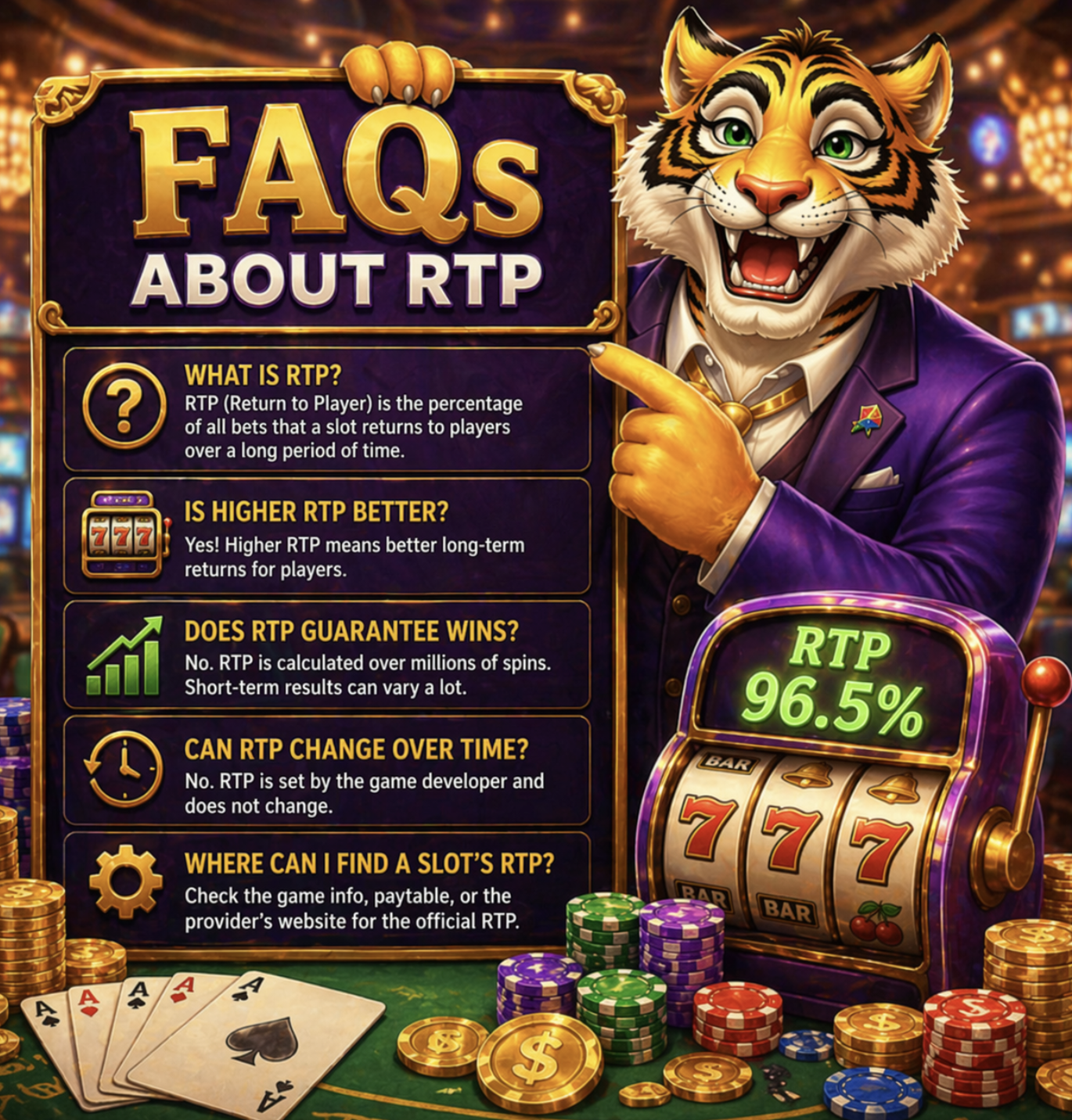
Verifying player return rate before playing takes minimal effort but provides essential information. Open the game's info or paytable section, then scroll until finding "RTP" or check the "Help" section. If information doesn't appear in-game, search "game name + RTP + provider" to find specifications. Games showing below 94% deserve hard passes for bonus clearing purposes. RTP slot machines vary between operators even for identical titles, making verification essential.
Combining payout rate with wagering requirements reveals true bonus expected value. A 98% player return rate game with 35× wagering produces approximately 97% expected value. The same requirement on 94% Return to Player drops expected value to 91%, transforming the bonus into likely loss. The calculation formula: EV equals RTP minus wagering requirement multiplied by 0.01. Always run these numbers before accepting any bonus to ensure mathematics support profitable completion.
Return percentages remain identical between platforms since the same random number generators power both versions. However, touch spins complete in 0.55 seconds versus 0.8 seconds on desktop, generating 45% more rounds per hour. Faster play exposes your bankroll to house edge quicker. Set stricter loss limits for mobile sessions to compensate for accelerated pace. High RTP slot machines perform identically regardless of platform, but your exposure rate changes significantly.
Regulatory pressure from Germany and Netherlands establishes minimum RTP floors around 87%. Simultaneously, some studios experiment with 98.5% player return rate as marketing hooks. The market appears heading toward two-tier structures with promotional 98% games alongside everyday 96% offerings. This bifurcation creates opportunities for informed players who identify highest-return options. Lucky Tiger Casino updates offerings regularly, so checking current machine RTP slot list ensures optimal configurations.


























































.png)















 slots.png)









.png)












.png)












.png)







































.png)