







A clear understanding of Return to Player (RTP) helps players make informed choices and set realistic expectations before spinning. In this guide, our casino explains where to locate reliable figures and how to read them without guesswork. You'll learn what the numbers mean, how to compare titles, and how to use trustworthy RTP sources instead of rumors.
Strategy Tip:
Don't rely on third-party review sites alone. Always open the in-game "i" panel before spinning to confirm the exact percentage.
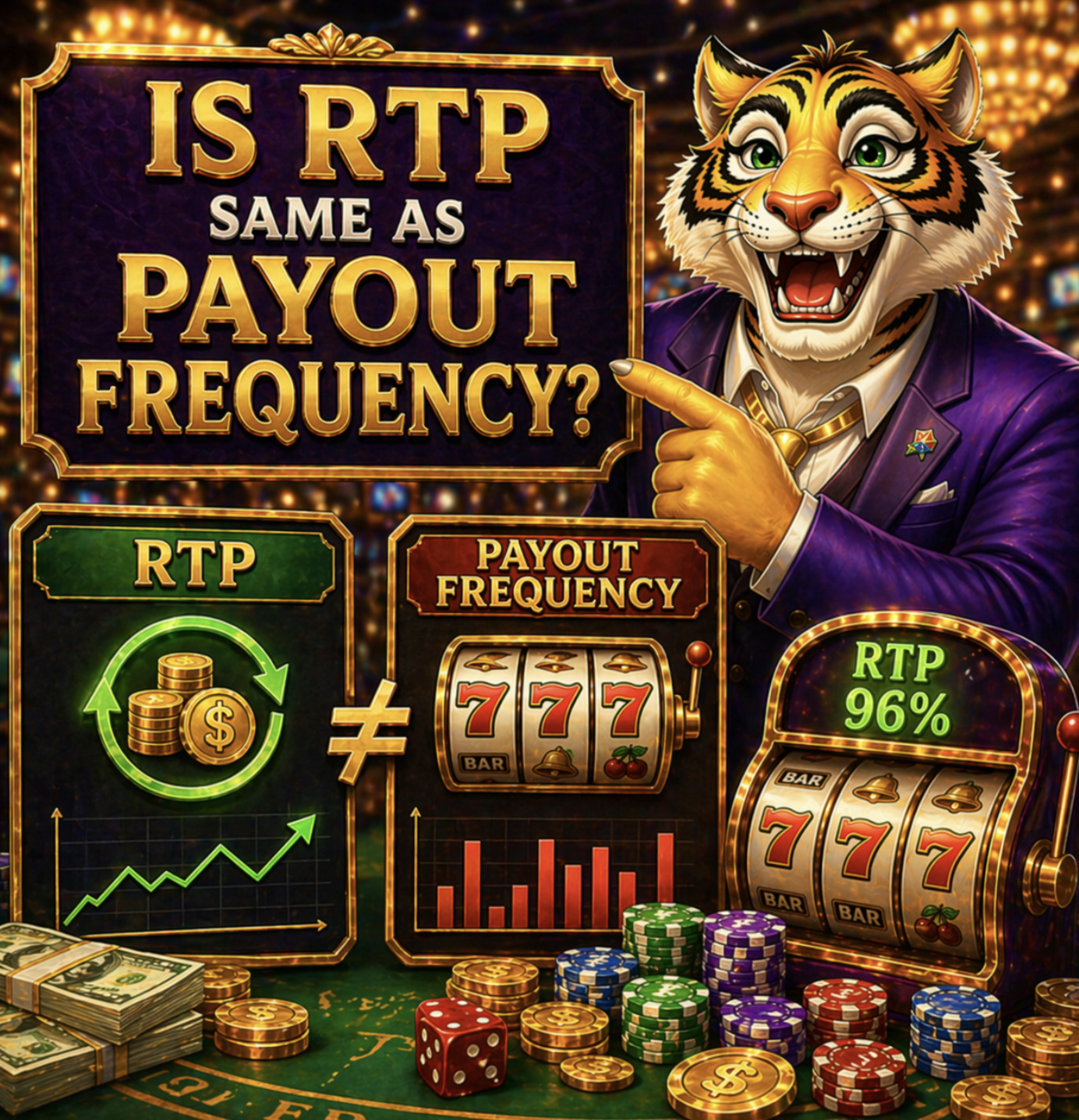
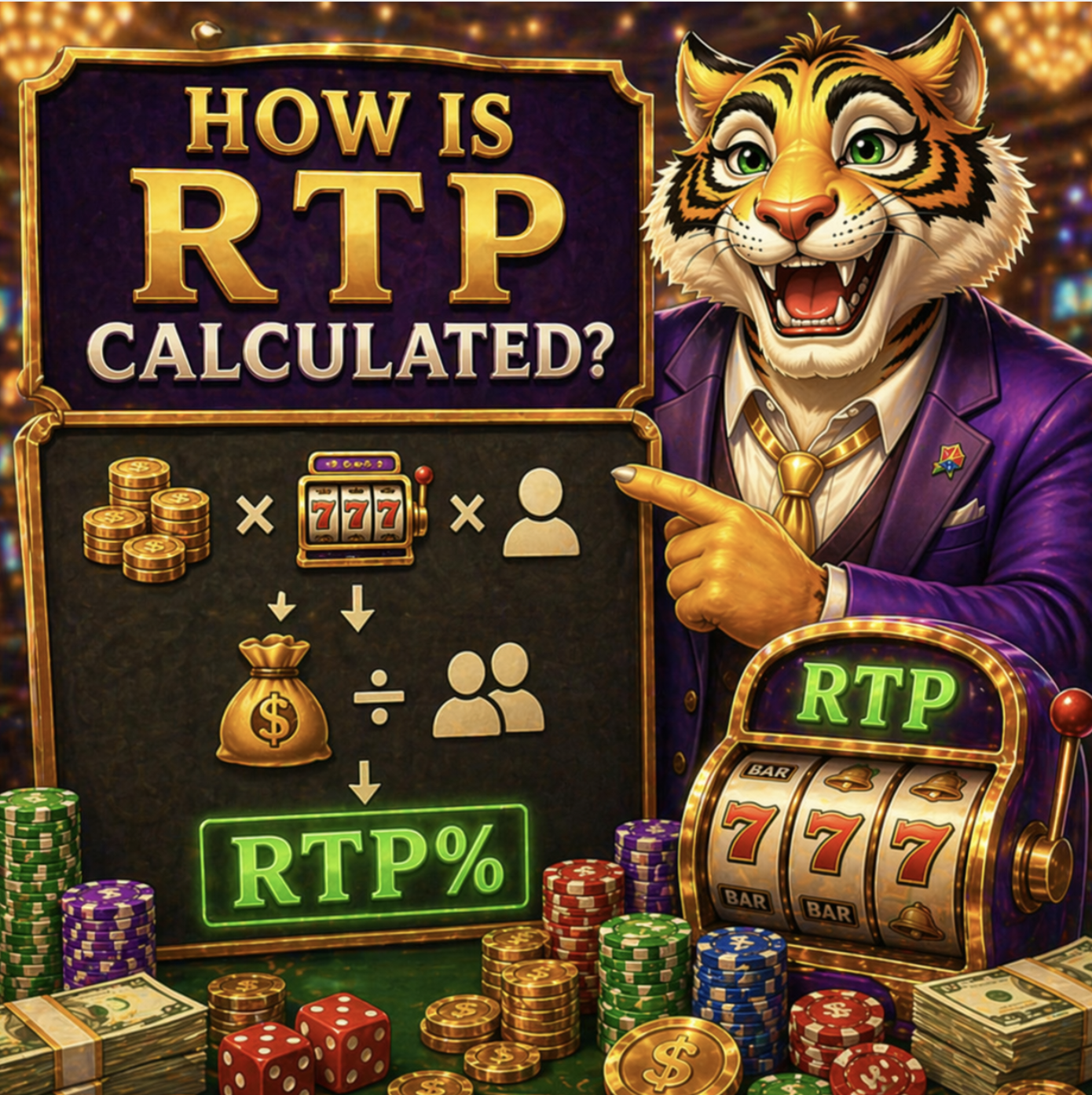
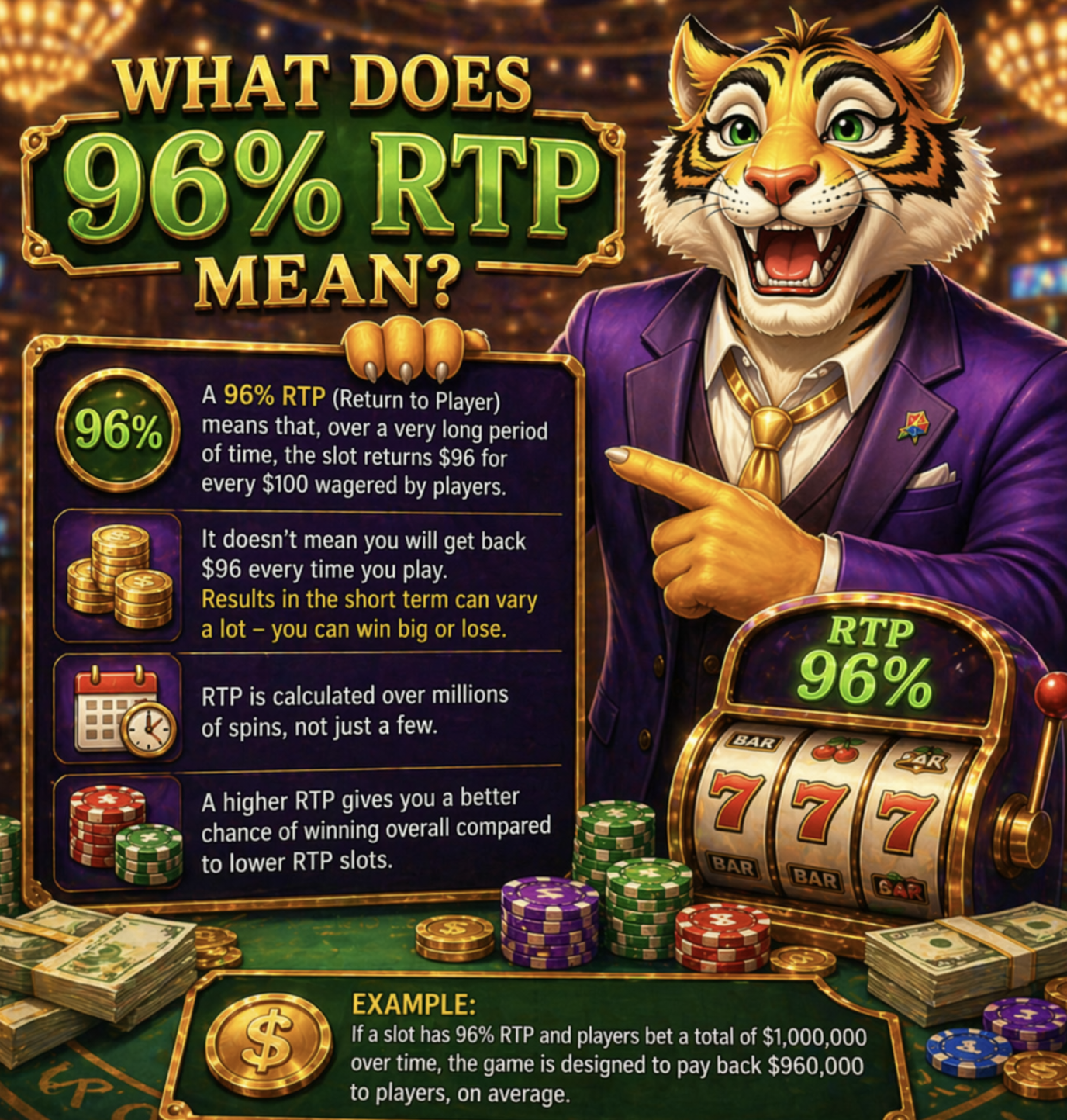
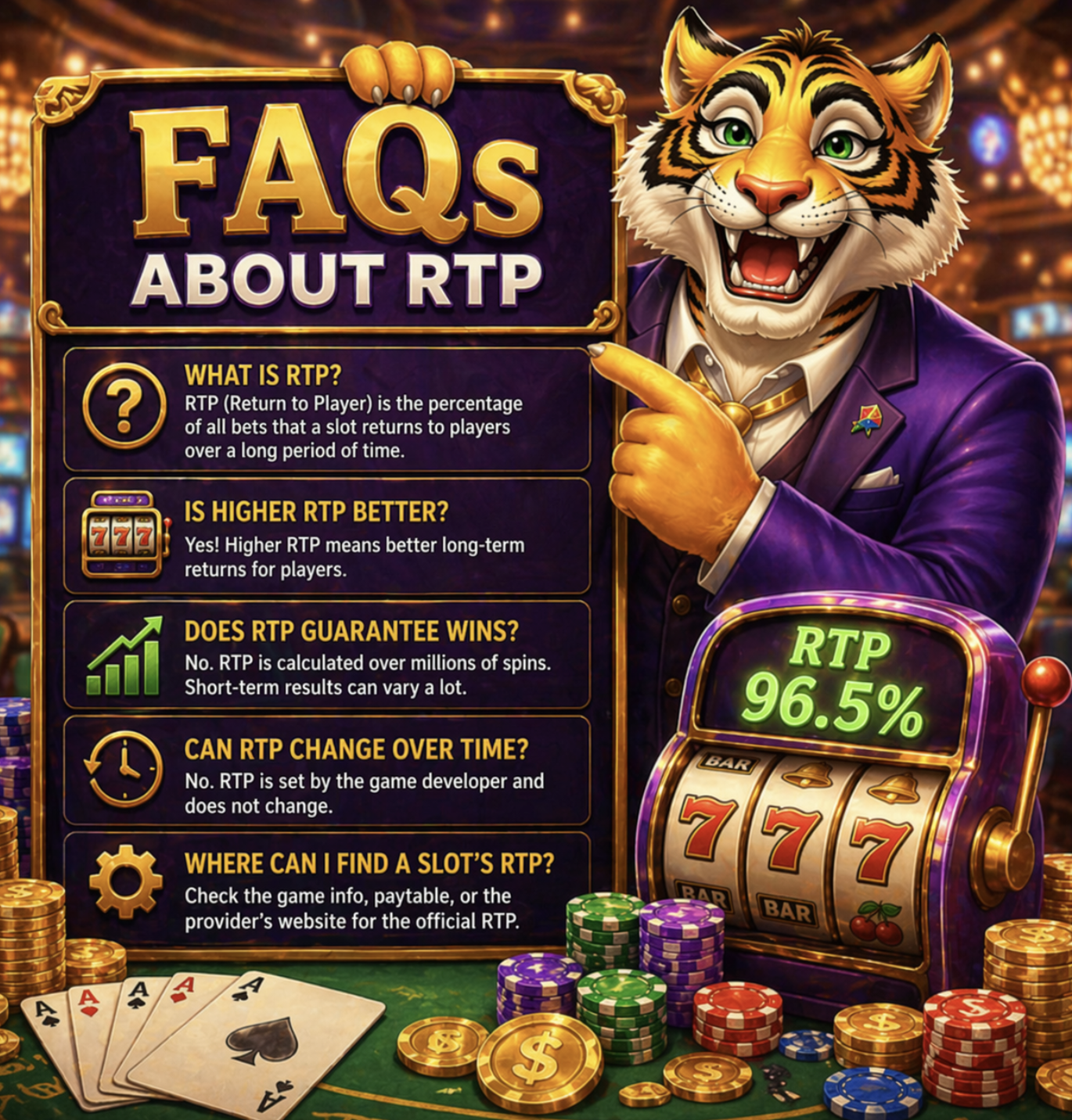
RTP is a theoretical percentage showing how much a slot returns to players over a very large number of spins. For example, an RTP of 96% means that, in the long run, the game is designed to return 96% of total wagers. It does not predict short-term outcomes and does not change your odds on the next spin.
RTP sits alongside volatility, hit rate, max win, and feature frequency. Treat it as one part of a broader picture rather than the only metric that matters. Combine what you learn from slot payout info with volatility notes and practical session limits to Play with clarity and control.
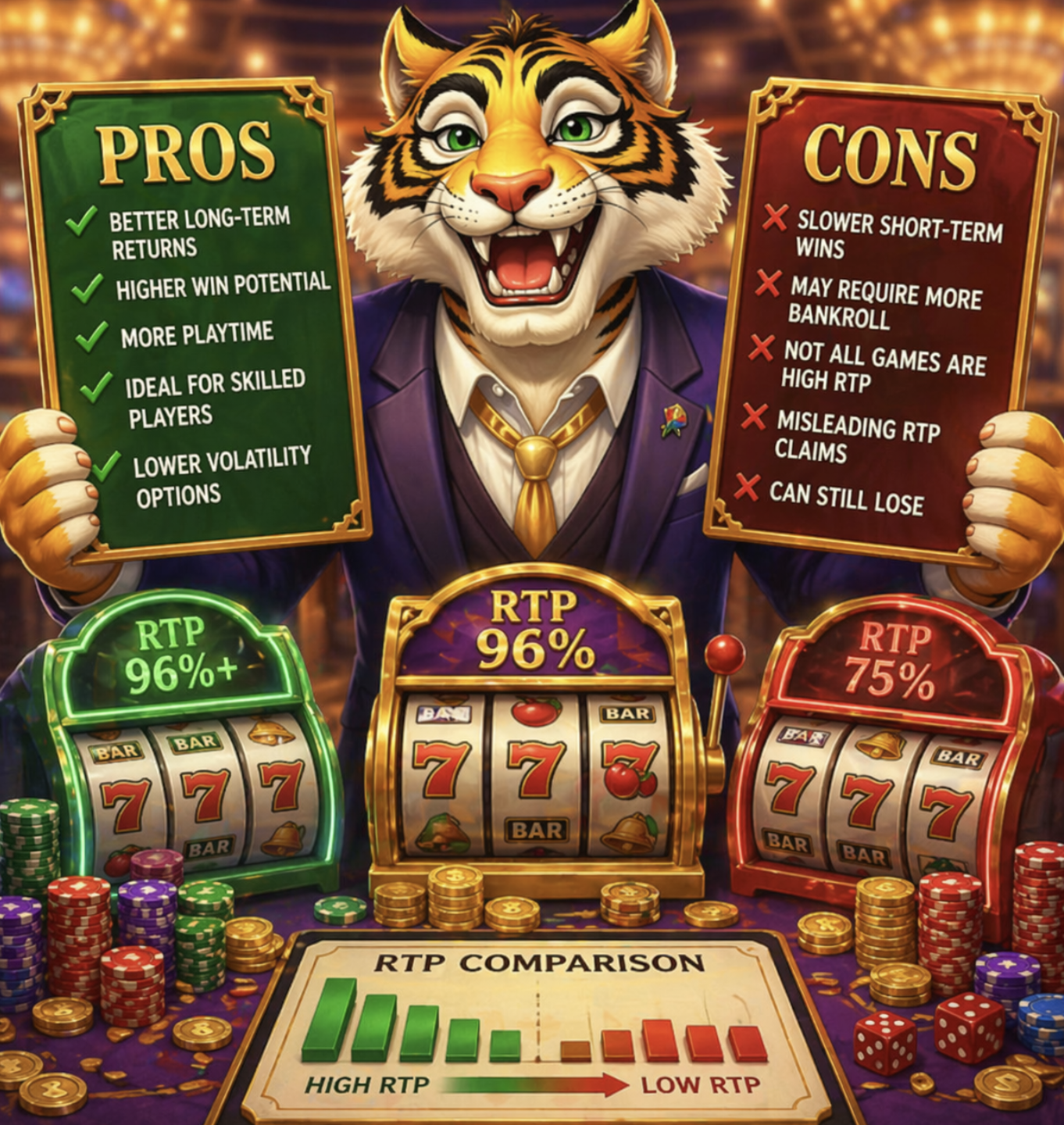
RTP indicates a slot's long-term efficiency. Higher values often mean a smaller average house edge, which can be useful for players who prefer extended sessions. Lower values typically signal a stronger built-in margin for the house, which can feel "swingier" when paired with high volatility. These figures are published on official game info pages and are often reinforced by studio documentation.
RTP does not forecast when a feature will land or how large individual wins will be. Variance can mask the long-term return in short play windows, so your results may differ dramatically from the model. When reviewing slot statistics, focus on how RTP interacts with volatility, feature triggers, and base-game hit rate - together they shape the real feel of a title.
Checking the number upfront helps align your expectations and session budget with the slots design. It's a quick step that can prevent mismatches - for example, using a short bankroll on a highly volatile title where dry spells are common. Our casino publishes RTP on each game page so you can compare quickly and plan responsibly.
Use RTP to compare similar themes or mechanics. If two slots feel alike, the one with a higher published value may suit longer sessions, while a lower-RTP alternative might trade theoretical return for burstier peaks. Read from official slot payout sources first, then confirm the same figure inside the game menu for consistency.
Did you know:
The same slot title can have 4-5 different RTP configurations globally. Your casino version may differ from generic databases.
When you want numbers you can rely on, start with primary RTP sources and work outward. Official pages provide version-specific figures, regional notes, and context about volatility or feature weights. They're also updated when a title gets a new math profile, so checking here first reduces confusion from outdated summaries elsewhere.
Below is a compact reference (table belongs to this section). It shows where official figures typically live and how to read them. We keep brand names out of the grid and focus on practical cues.
|
Source type |
Where you'll see it |
What to look for |
|
Studio site |
Game overview or technical sheet |
Exact percentage, version/build notes, release or revision date |
|
Our games page |
Rules/Info tabs |
Theoretical return, volatility note, region-specific variants |
|
Audit badge |
Footer or game frame |
Testing lab name, certificate number, coverage (RNG, payout model) |
Studios publish the mathematics behind each title on dedicated game info pages or press kits. This is where you'll often see the exact percentage, the build identifier, and notes about optional features that can nudge the figure by small margins. Because providers control the math, their pages are among the most trustworthy slot payout sources for baseline numbers.
When a provider releases a new build for a market, its documentation usually reflects the change first. Cross-check that figure with our listing before you play. If you notice mismatches, assume the studio page is the anchor and contact support so we can align our display with the latest casino provider data.
Licensed platforms present figures inside the game tile, rules modal, or footer of the lobby. On our side, we show the value on the game page and in the in-game menu to avoid hunting through multiple screens. Treat this as your quick "field check," since it reflects the exact configuration running in your region and ties directly to online online casino RTP disclosures.
If your country uses an alternative build, the value on the live game can differ from a global PDF. That's why we encourage you to confirm in the running client rather than relying only on archived PDFs. For quick comparisons, our pages summarize slot payout details and volatility so you can decide in seconds.
Independent testing labs and regulators verify payout models, RNG quality, and version control. Their seals or certificates confirm that the published figure comes from a validated model, not a guess. While these sites don't always host consumer-friendly dashboards, their presence is a strong signal that you're reading dependable RTP sources aligned with licensed operation.
Look for recognizable audit names in the game frame or site footer, along with certificate IDs you can search. If an audit is mentioned but you can't find a certificate reference, reach out to support; we'll point you to the public record so you can verify the paperwork matches the live build.
Bonus insight:
Look for Game Facts blocks or footer compliance sections on casino sites. These link to regulator audit trails.
Understanding where RTP lives inside the client saves time and prevents guesswork. The in-game menu reflects the exact build you're playing, which makes it the most practical checkpoint after checking primary RTP sources on official pages. Treat the number you see in the running client as the configuration of record for your region.
Open the information menu (often an "i" icon, gear, or hamburger) and navigate to Rules or Paytable. Here you'll find the theoretical return stated as a percentage, usually near volatility notes and feature descriptions. These game info pages also outline bonus triggers, hit rate hints, and any build notes that can affect the published value.
Before you spin, confirm that the figure in the client matches what you saw on our game page. If there's a difference, the live client wins - because it reflects the active build. This quick cross-check complements slot payout sources and prevents relying on outdated PDFs or third-party summaries.
Quick checks inside the client (lead-in for a brief bullet list):
A short, practical routine (numbered lead-in):
In well-regulated environments, demo and real-money clients are designed to use the same math model. Still, always verify inside the live game, because jurisdictions may require different builds, and optional features can change the figure. If you test in demo, treat those spins as a feel check; confirm the number again after you switch to cash play.
When values differ between pages, prioritize the running client, then confirm against official RTP sources (our page and the provider's technical sheet). If a bonus-buy or boosted-chance toggle is available, recheck the Rules panel after you switch it on - some mechanics list a separate theoretical return once the feature is active. This habit keeps your slot payout details accurate at the moment you play and aligns your expectations with real-session behavior.
Attention:
If you cannot find RTP in game rules or lobby, play elsewhere. Missing RTP is a major red flag.
Independent sites can help you compare titles quickly, especially when you want a broad view of mechanics, volatility notes, and slot payout details that's been summarized in plain language. Treat these pages as helpful overviews rather than the final word. Always confirm figures inside the live client or on official pages before you start a session at our casino.
Because some regions run alternative builds, third-party pages may lag behind the current configuration. Use them to shortlist games, learn features, and understand how online casino RTP interacts with volatility and hit rate, then verify the exact percentage in the running game.
Pros and cons of third-party sources (lead-in):
Editorial reviews package technical notes into practical advice: core features, volatility impressions, and pointers to game info pages where the official percentage is listed. Use these write-ups to learn how mechanics influence bankroll feel - cluster pays, expanding reels, or bonus-buy options can all shape perceived return even when the percentage stays the same.
Community threads add real-world context: how a feature "feels," where dry spells occur, and whether certain bonus modes are streaky. This anecdotal layer complements numbers, but it's not a substitute for verified figures. Players often post isolated results that don't reflect the long-run model behind the percentage.
Aggregators compile values across many games so you can filter by theme, volatility, or provider. A well-maintained RTP database can speed up research, especially when you want to scan dozens of titles and narrow your shortlist fast. Still, treat the database as a directory; confirm numbers in the client before you play.
Quality signals include visible update dates, notes about regional variants, and links back to slot statistics websites or provider documentation. If an return-to-player records lists a range (for example, multiple build options), open the game's Rules menu to see which configuration is active for your region. This two-step check balances convenience with accuracy.
































































.png)
















 slots.png)










.png)












.png)













.png)







































.png)