







If you have ever wondered about Video Poker vs slots and which one actually puts more money back in your pocket, the answer lies in the math, not the marketing. These two game types share the same casino floor but operate on completely different logic. This guide breaks down RTP, volatility, and strategy so you can make a smarter choice at Lucky Tiger Casino in 2026.
A slot machine and a Video Poker terminal may look identical from the outside, but their internal logic is entirely different. Slots generate outcomes through an opaque algorithm, while Video Poker is built on a standard 52-card deck with publicly known probabilities. That transparency is what separates one format from the other and why serious players treat them as completely different disciplines.
Slots and Video Poker share hardware and accept the same bet sizes, yet the player's role in each is fundamentally opposite. In a slot, every outcome is predetermined before the reels stop. In Video Poker, every decision you make directly affects your return over time. Understanding this distinction is the foundation of smarter bankroll management.
In a slot machine, a random number generator (RNG) determines every spin independently with no memory of past results. Video Poker also uses an RNG to deal cards, but each outcome maps to a real poker hand with a fixed, calculable probability. That means a player can determine the exact expected value of every Video Poker vs slots decision, which is something slots simply do not allow.
Did you know:
A 9/6 Jacks or Better Video Poker game returns up to 99.54% with optimal play — compared to a typical slot RTP of 94–96%.
Slots dominate the casino floor because they are designed as an experience first and a game second. Lights, sounds, expanding wilds, and free-spin sequences create engagement that goes far beyond a simple wager. That entertainment value comes at a mathematical cost, but for many Video Poker vs slots players, it is a fair trade.
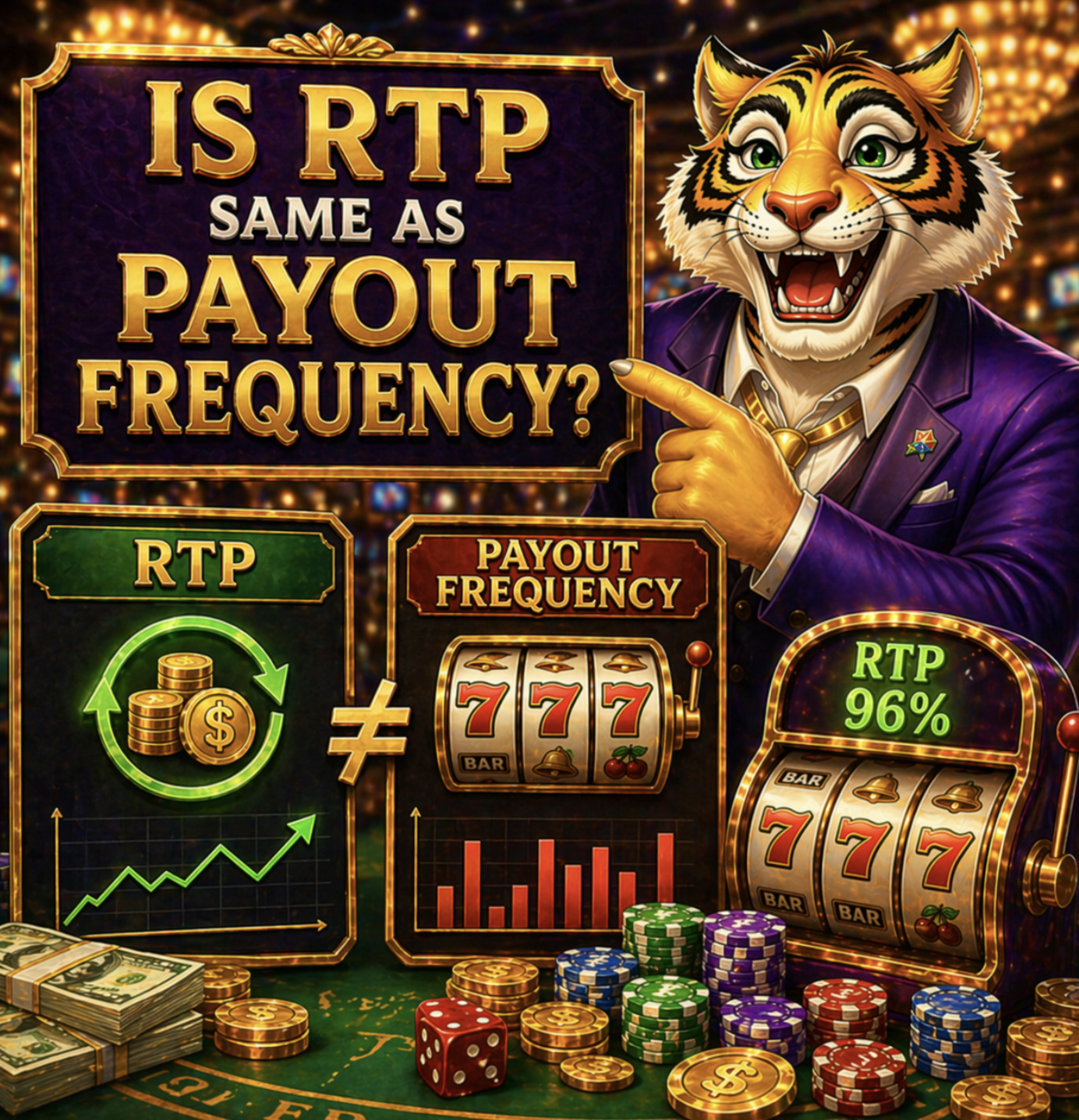
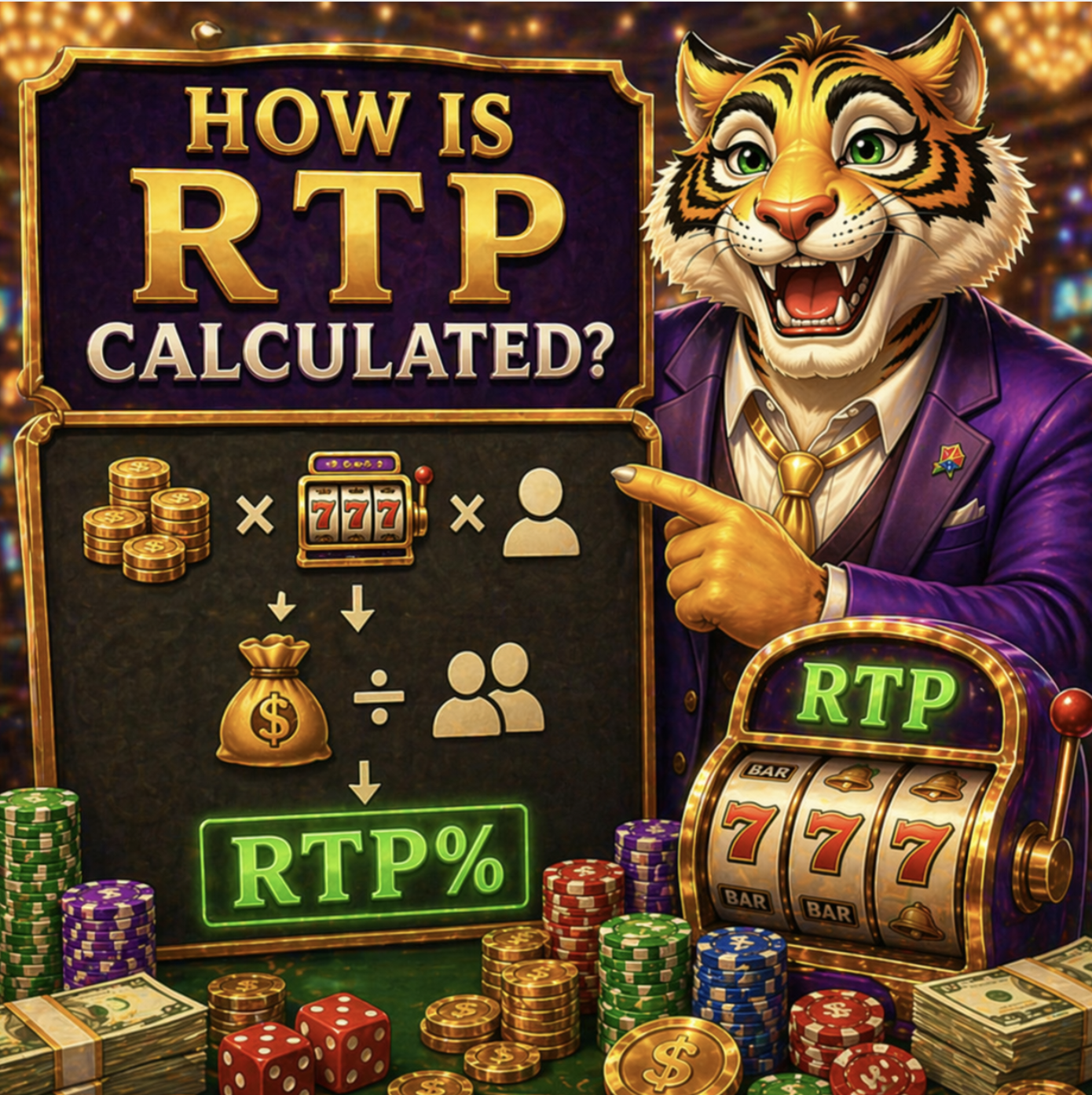
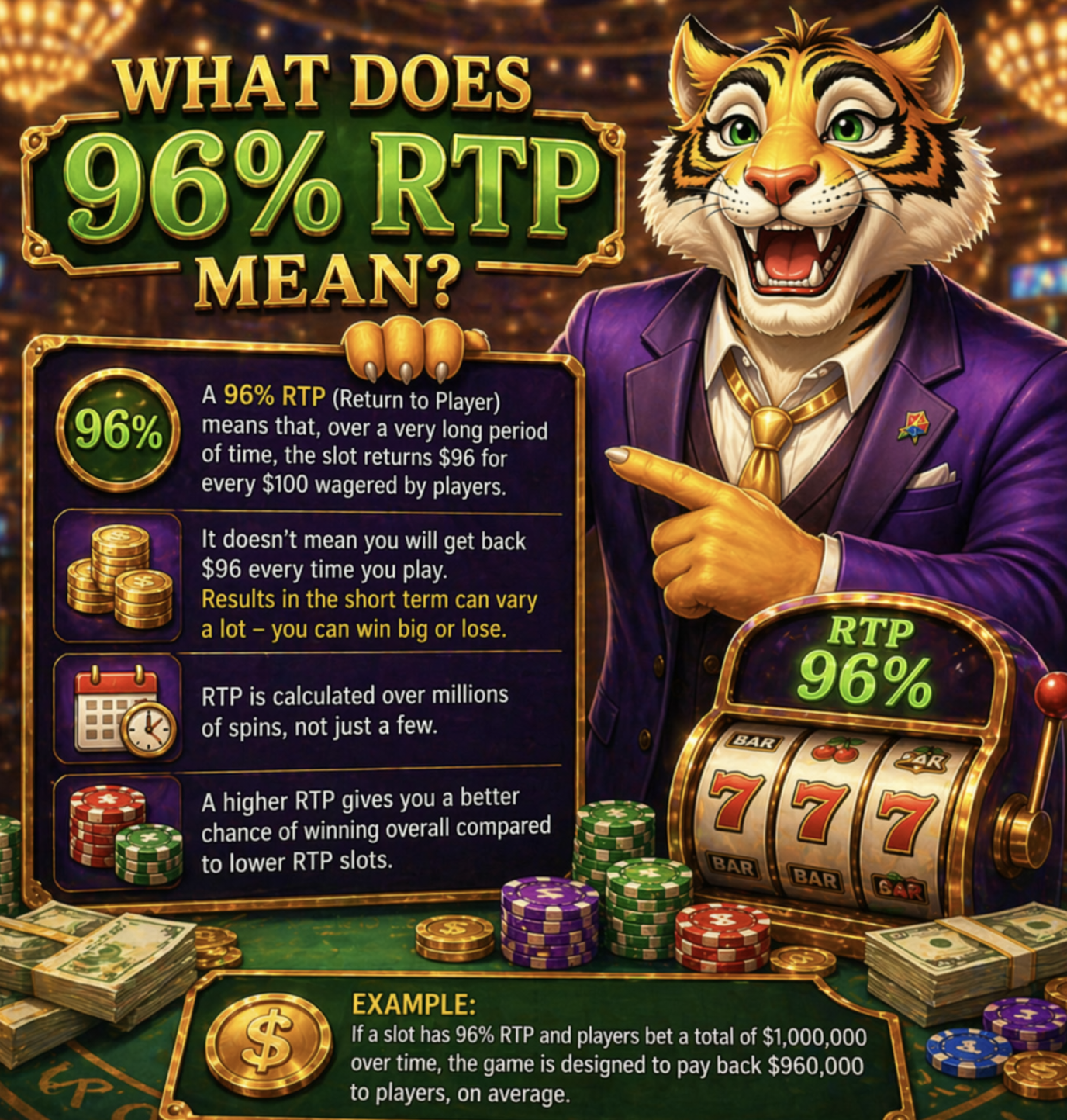
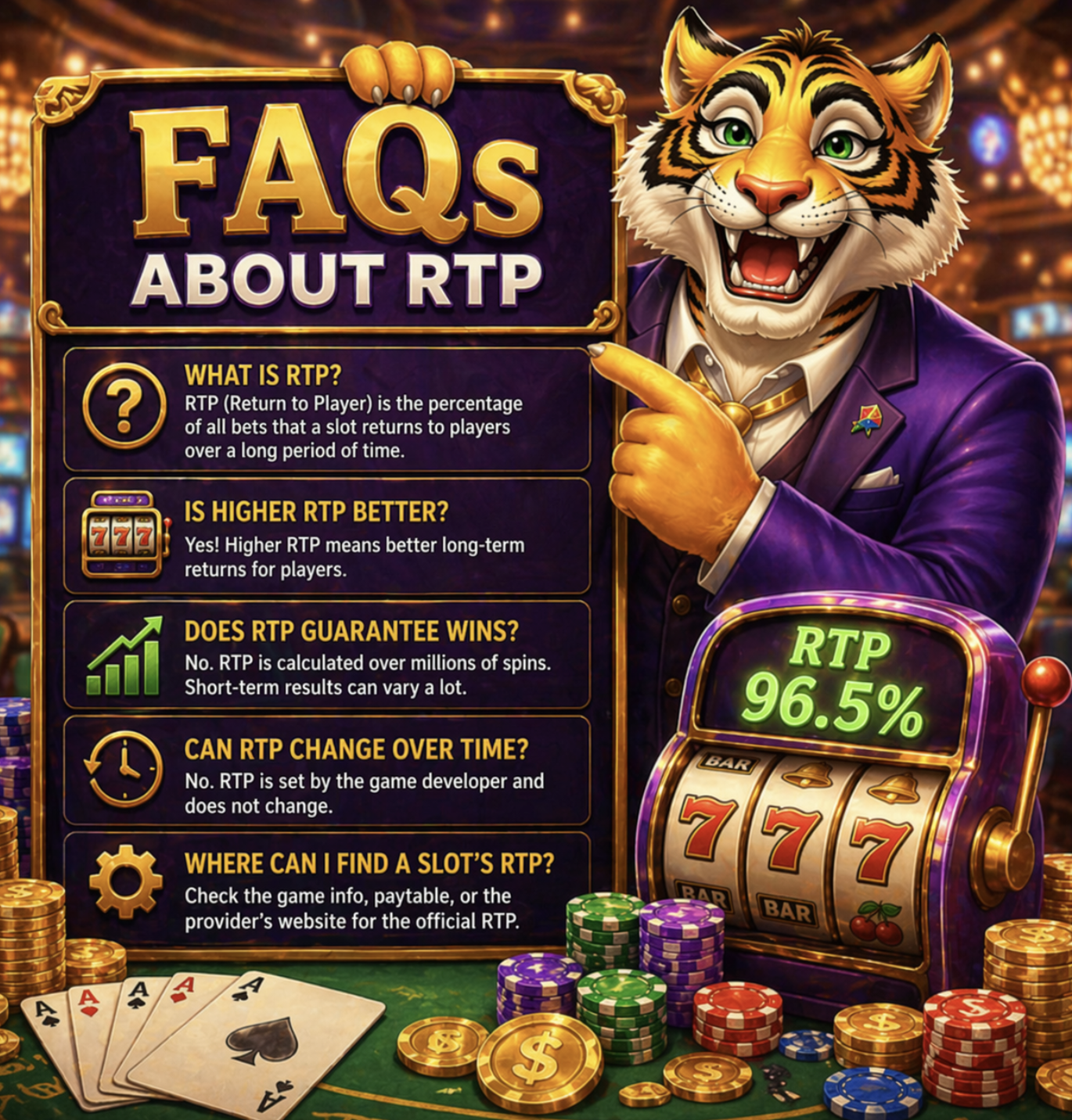
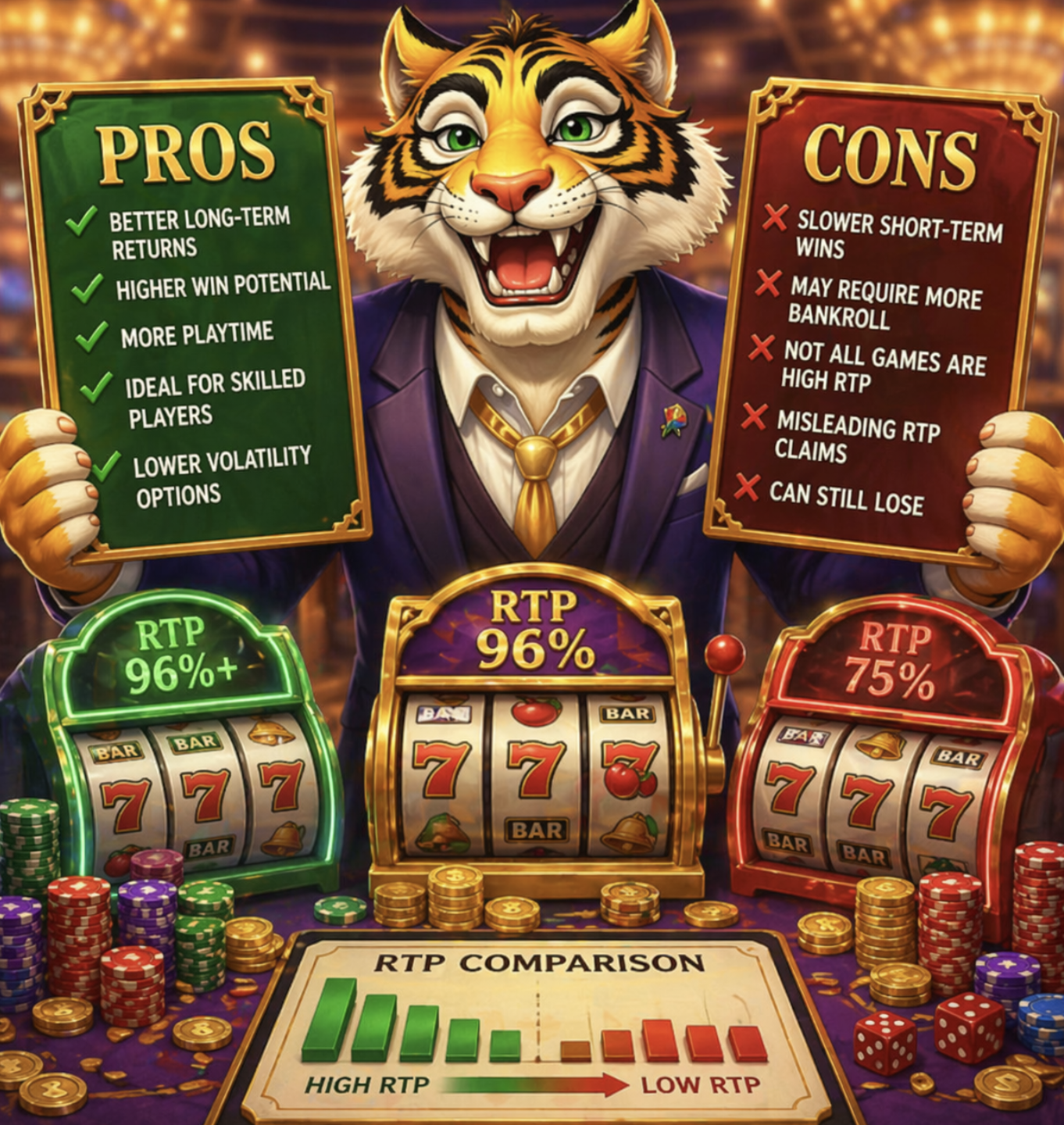
The RTP (Return to Player) on a modern slot typically falls between 94% and 97%, with the industry average near 96%. That figure means for every $100 wagered over a long session, the machine is designed to return $96. The remaining 4% is the house advantage built into every spin. Some premium titles push closer to 97%, while games with progressive jackpots can dip well below 94%.
High-volatility formats like Megaways engines and Bonus Buy features have reshaped the slot experience significantly. These mechanics compress wins into rare but large events, meaning a player can go many spins without a meaningful return. Mathematical expectation stays the same on paper, but the actual session swings wildly. In 2026, these formats dominate new releases because players chase peak moments even when the average outcome is negative.
Progressive jackpots are funded by diverting a portion of every bet into a shared prize pool, and that diversion directly reduces what the base game pays back. The hit frequency on a life-changing jackpot is astronomically low, which means most players fund the prize without ever seeing a share of it. The dream is real, but it comes at a measurable cost to your session value.
Attention:
Progressive jackpot slots divert bets into the prize pool, cutting base game RTP below 94%.
Video Poker occupies a unique space in casino gaming. It looks like a slot, runs on similar hardware, and requires no opponents. Unlike slots, it rewards preparation and consistency. A player who learns the math and applies it will perform measurably better over time, and that gap compounds across thousands of hands.
Jacks or Better is the benchmark variant for understanding Video Poker value. With a full-pay table and perfect strategy on every hand, this game returns over 99% to the player, reaching as high as 99.54% in verified versions. The skill-based outcomes here are real: every incorrect hold decision chips away at that theoretical return. A beginner playing by feel may only achieve 96-97% RTP, which lands roughly at the level of a decent slot. The entire gap between novice and optimal play comes down to decision quality.
💡Use a Jacks or Better strategy card while playing online. Lucky Tiger Casino allows this during gameplay. It is not cheating; it is simply applied math.
Paytable analysis is the most important skill a Video Poker player can develop. A "9/6" machine pays 9 coins for a full house and 6 coins for a flush per coin wagered. An "8/5" machine pays one less on both, which reduces overall RTP by more than 1 percentage point over time. When selecting a Video Poker game, always check the full house and flush rows first. Those two lines tell you almost everything about the game's long-term value.
|
🃏 Pay table |
Full house |
Flush |
📊 RTP |
|
9/6 Full Pay |
9x 💰 |
6x 💰 |
~99.54% ✅ |
|
8/5 |
8x |
5x |
~97.3% |
|
7/5 |
7x |
5x |
~96.3% |
|
6/5 |
6x |
5x |
~95.0% ❌ |
Strategy Tip:
Check payouts before playing: a 9/6 machine returns about 99.54%, while 6/5 drops to ~95%, creating a major long-term difference.
Because Video Poker pays out frequently on pairs, two pairs, and three-of-a-kind hands, the session experience is far more consistent than a high-variance slot. A player with a $200 bankroll will typically last much longer at a Video Poker terminal than at a comparable slot. That extended playing time also means more hands count toward loyalty rewards, compounding the overall return.
The table below strips away the marketing and presents the mechanical reality of each game type side by side. When you examine slots or Video Poker on pure numbers, the pattern is consistent: Video Poker leads on every metric that affects long-term value, while slots hold the edge in entertainment intensity and simplicity.
|
🎰 Feature |
Modern slots |
Video Poker (optimal play) |
🏆 Verdict |
|
Typical RTP |
94–97% 📉 |
99–99.54% 📈 |
Video Poker ✅ |
|
Volatility |
High to very high 🔥 |
Low to medium |
Video Poker ✅ |
|
Skill influence |
None |
Significant 🧠 |
Video Poker ✅ |
|
Session length |
Short |
Long ⏳ |
Video Poker ✅ |
|
Entertainment factor |
Very high 🎆 |
Moderate |
Slots ✅ |
|
Progressive jackpots |
Available 💎 |
Rare |
Slots ✅ |
|
Strategy required |
None |
Yes 📚 |
Slots ✅ |
|
Bonus clearing |
Usually allowed |
Often restricted ⚠️ |
Slots ✅ |
The math does not automatically change player behavior, and that is perfectly reasonable. Slots serve a purpose Video Poker cannot replicate: they are pure entertainment products, and for many players that is the entire point.
Modern slots are engineered to trigger emotional responses. Cascading reels, expanding symbols, narrative-driven bonus rounds, and licensed themes create an immersive experience a card game simply cannot match. For a player at Lucky Tiger Casino looking for an exciting evening, a slot delivers that immediately with no preparation required. That is a legitimate trade-off, not a mistake.
The learning curve for slots is effectively zero. You set a bet, press spin, and the machine handles everything else. There are no decisions mid-session, no strategy cards to memorize, and no scenarios where a wrong choice costs you a percentage of return. That accessibility is genuinely valuable, especially for casual players. The slots vs Video Poker odds debate often overlooks this: not everyone wants to invest time in studying optimal play.
For players who measure success across sessions rather than single spins, Video Poker offers something slots cannot match: a predictable, mathematically sound foundation for bankroll management.
Because Video Poker is built on a finite deck with known probabilities, results converge toward the theoretical RTP as the sample size grows. A player who completes 10,000 hands of 9/6 Jacks or Better with correct strategy will see results cluster near 99.5%. Slots make no such promise because session variance is entirely unpredictable. The slots vs Video Poker RTP gap becomes most visible exactly at this scale, where the math has room to do its work.
In 2026, loyalty and cashback programs have matured significantly at online casinos. Players who consistently play Video Poker can combine the game's near-neutral house edge with cashback rates that push total expected return above 100% during promotional windows. Slots participate in these programs too, but their higher house edge makes the math harder to reverse. Answering the question of Video Poker or slots which pays more requires factoring in every return source, not just the base game RTP.
Bonus insight:
Video Poker is often excluded from bonus wagering terms, so check promo rules before switching games mid-playthrough to avoid losing your bonus.































































.png)
















 slots.png)










.png)












.png)













.png)







































.png)