







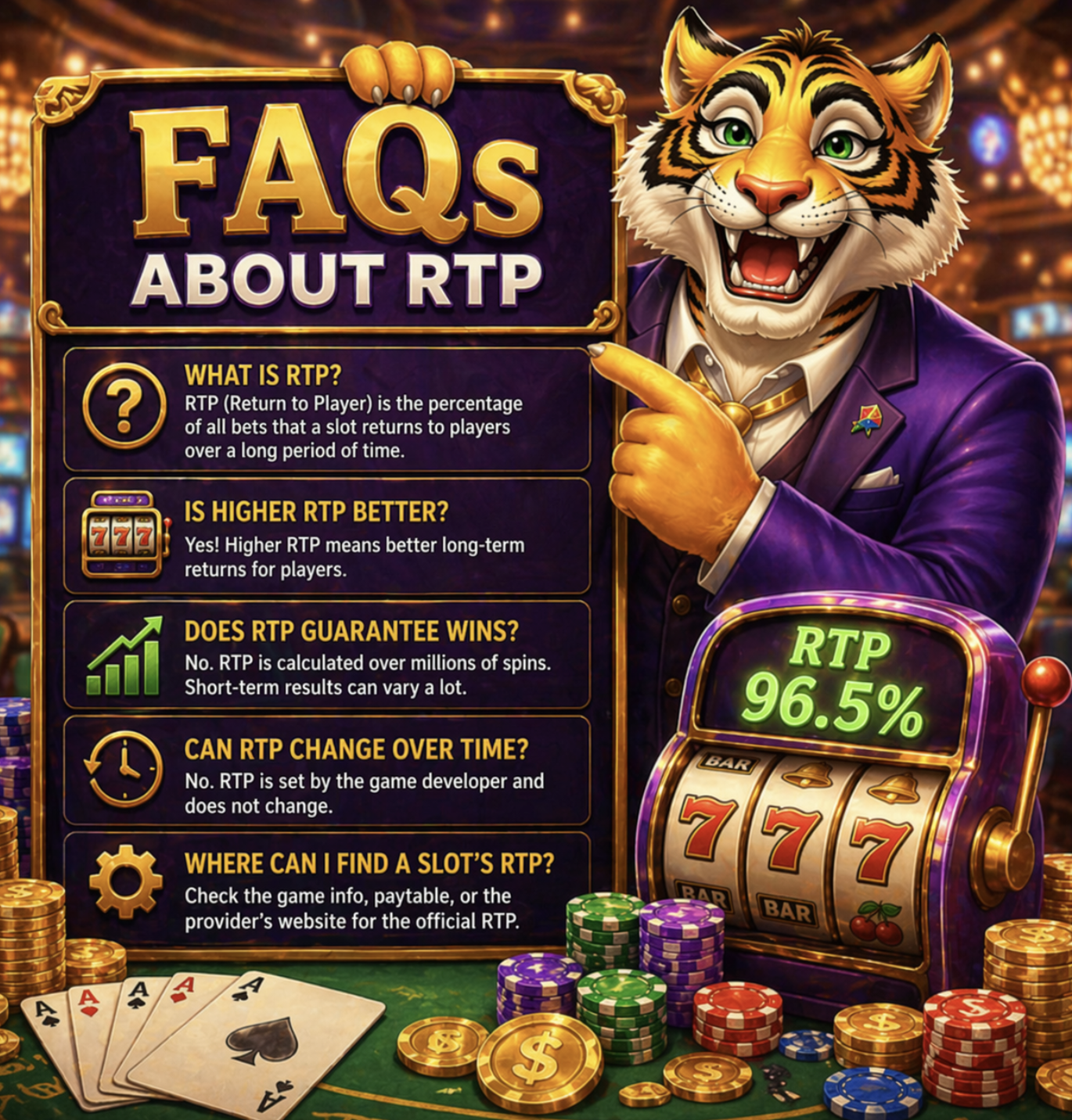
RTP (Return to Player) is a crucial factor in online slots, determining the long-term payout percentage of a game. Many players have RTP questions about how it affects their chances of winning and how it compares across different games. In this section, we'll address the most common queries about RTP, helping you better understand its role and how it impacts your gaming experience. Whether you're a beginner or an experienced player, knowing the answers to these FAQs will give you a clearer insight into how online slots work.
Strategy Tip:
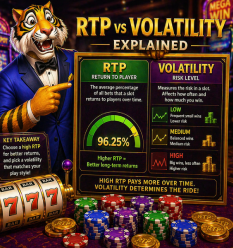
RTP shapes the long game, volatility shapes each hour. Pick lower volatility for steadier hits or higher for bigger spikes.
Before diving into features and themes games, it helps to understand the math that shapes long-term outcomes. This section is a concise slot FAQ for fundamentals, built to clear up the most frequent RTP questions new and experienced players ask.
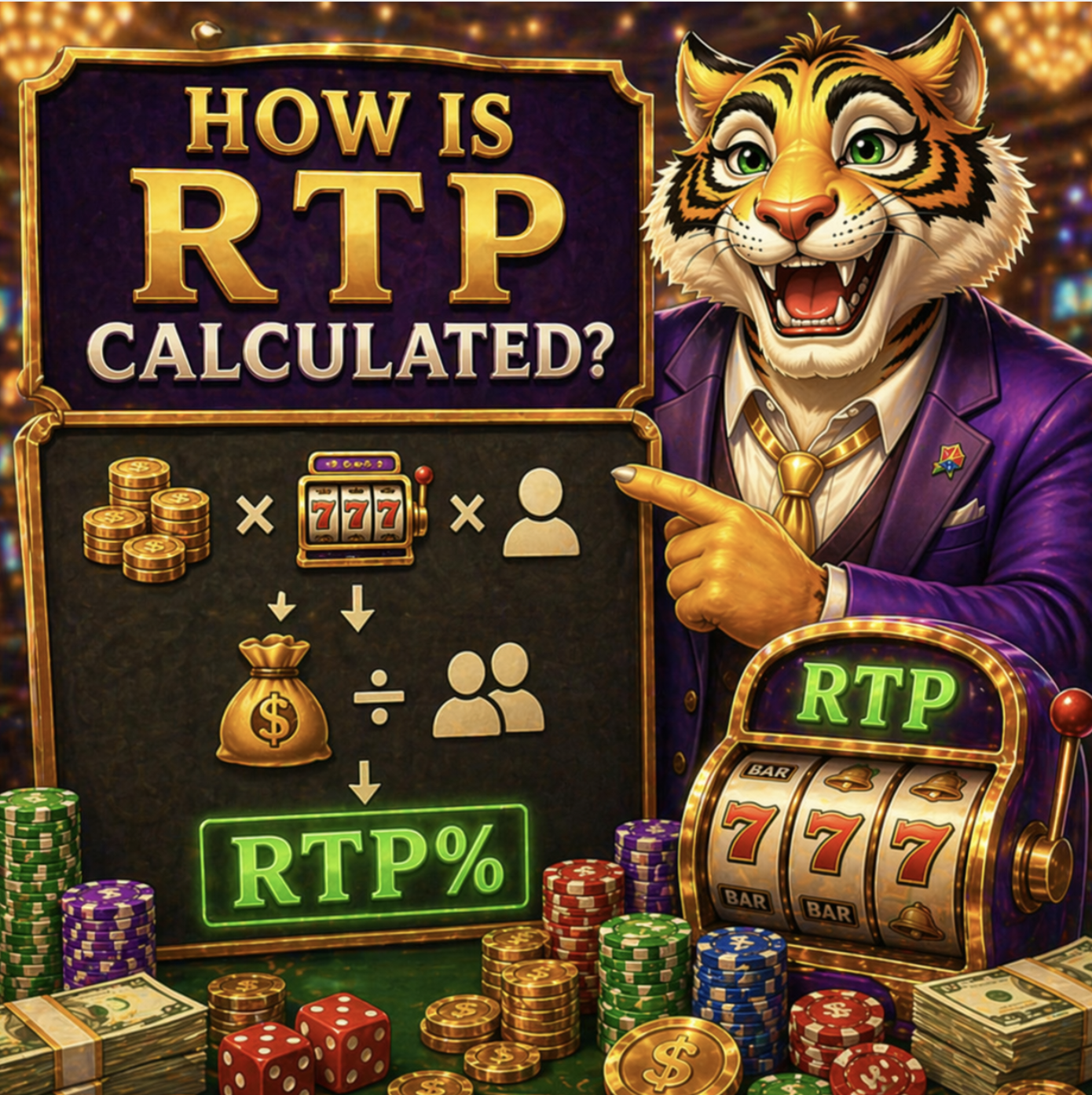
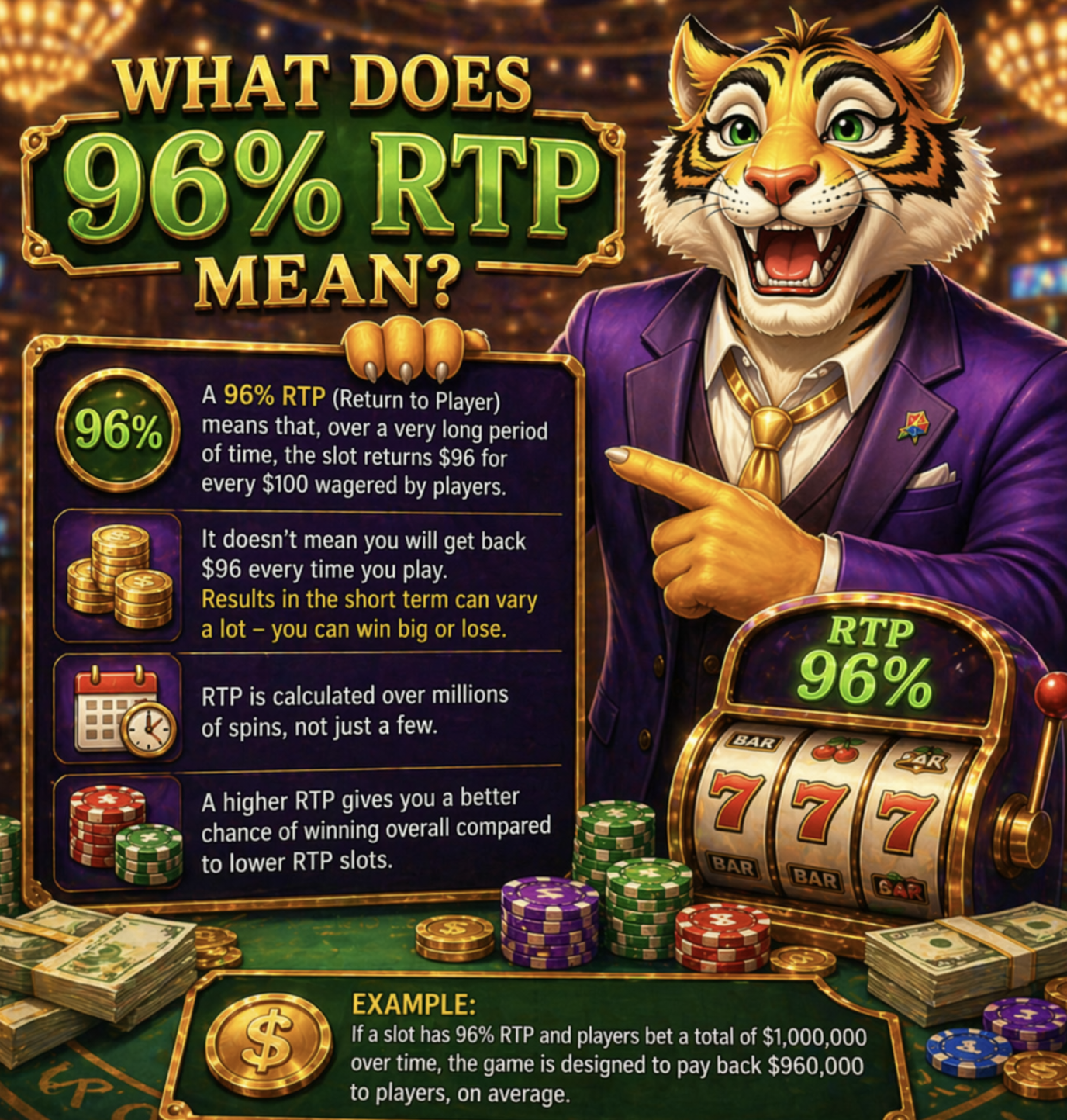
RTP (Return to Player) is a percentage that shows how much a slot returns to players over a very long series of spins. If a game has 96% return to player info, it means that, in aggregate and over time, $100 wagered is expected to see $96 returned as wins. It is a statistical model, not a promise for your next spin, session, or even week. RTP is baked into the game's paytable, reel strips, and bonus weights and is tested to ensure it behaves as designed across large samples.
"Good" depends on your goals, but these quick tiers help set expectations:
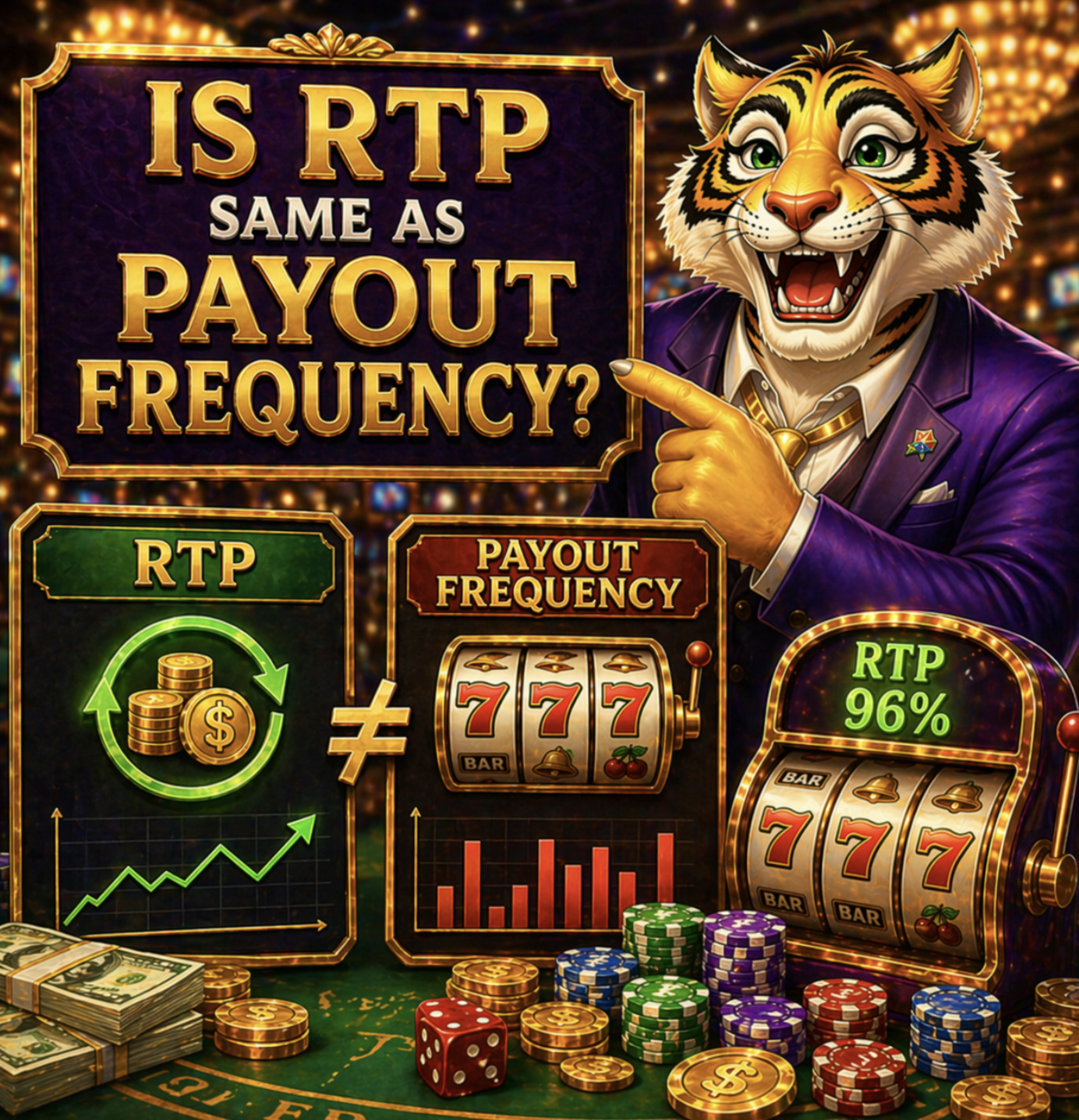
RTP does not tell you how often wins occur; it only tells you the expected share of wagers returned over time. Payout rhythm is driven by hit frequency, reel math, and volatility. A 97% slot can still deliver long dry spells if it's designed for infrequent but larger wins.
Factors that shape perceived "how often":
These payout explanations help you read game info screens: use RTP for long-term fairness, and hit frequency/volatility for short-term feel.
Did you know:
RTP does not tell you how often wins occur; payout rhythm is driven by hit frequency, reel math, and volatility.
Behind every percentage is a set of rules, approvals, and version controls. This section tackles the slot gaming questions players ask about how RTP behaves after release and how we publish RTP info in our lobby.
Short answer: In regulated markets, casinos can only use studio-approved RTP variants. Some slots have multiple certified settings (e.g., 96.2% or 94.0%). The active variant must follow local rules and match the figure shown in the game's rules. We display the active RTP in the info panel so you can verify it before you play. Quick checks: (1) open Game Rules/Help and find the RTP line; (2) confirm the lobby figure matches the in-game rules; (3) recheck after re-releases or remasters. Treat RTP like a food label - if it's clear and consistent, choose with confidence; if not, pick another title.
Not always. The same slots can have multiple certified RTP models depending on region, features, or channel, even if visuals look identical. That's why the lobby and rules screens repeat the figure. When in doubt, check the in-game rules, and remember: pace, features, and clarity matter as much as the posted percentage.
Yes. Compliance chains involve the studio, a testing lab, and the regulator. While details vary by region, the flow is similar and designed for player protection:
Think of this as your behind-the-scenes casino game guide: a structured pipeline that ensures the figure you see is backed by math and verification. It's one reason players return to this page for trusted answers to RTP questions.
Bonus insight:
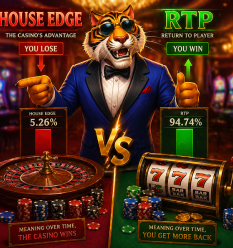
House edge and RTP are two sides of the same coin. A 96 percent RTP means a 4 percent house edge.
Now let's connect the math to real sessions. This part turns theory into practice, answering the gaming questions that come up once the reels start spinning. Use it as a quick casino game guide you can revisit before a new title.
RTP is a long-term average, not a short-term predictor: a 96% game can still swing from back-to-back wins to long dry spells because RNG and volatility drive outcomes. Think of RTP as the long-run direction while each session is a tiny, swingy sample. Quick tips: set a budget and time-box your play; pick lower volatility for steadier hits or higher for bigger spikes; watch how features trigger and pay - feature-heavy games can feel quiet between bonuses. Bottom line: RTP shapes the long game, volatility shapes each hour.
In modern, regulated environments, demo and real-money modes are designed to use the same math model and return to player info. That said, there are caveats:
At our casino, we align demo and real modes to the certified build and publish the active figure in the info panel. Good online slot tips: open the Rules/Help screen in both modes and compare the posted percentage, volatility, and version number. If they differ, treat the demo only as a mechanics preview.
RTP is a composite built from base-game spins plus features. Developers allocate portions of expected return to each segment. For example, a game might target 64% from the base game and 32% from features to reach an overall 96%. That doesn't mean the RTP "changes"; it means the contribution shifts depending on how often bonuses trigger in your sample.
Situations that can influence realized results:
If you're comparing titles in our lobby and have RTP questions, check how much value sits in features, whether there's a buy option, and how the rules describe hit frequency.
Comparisons help translate math into choices. This section answers the most common online slot questions about how RTP relates to volatility and house edge, so you can read numbers quickly and pick games that match your mood.
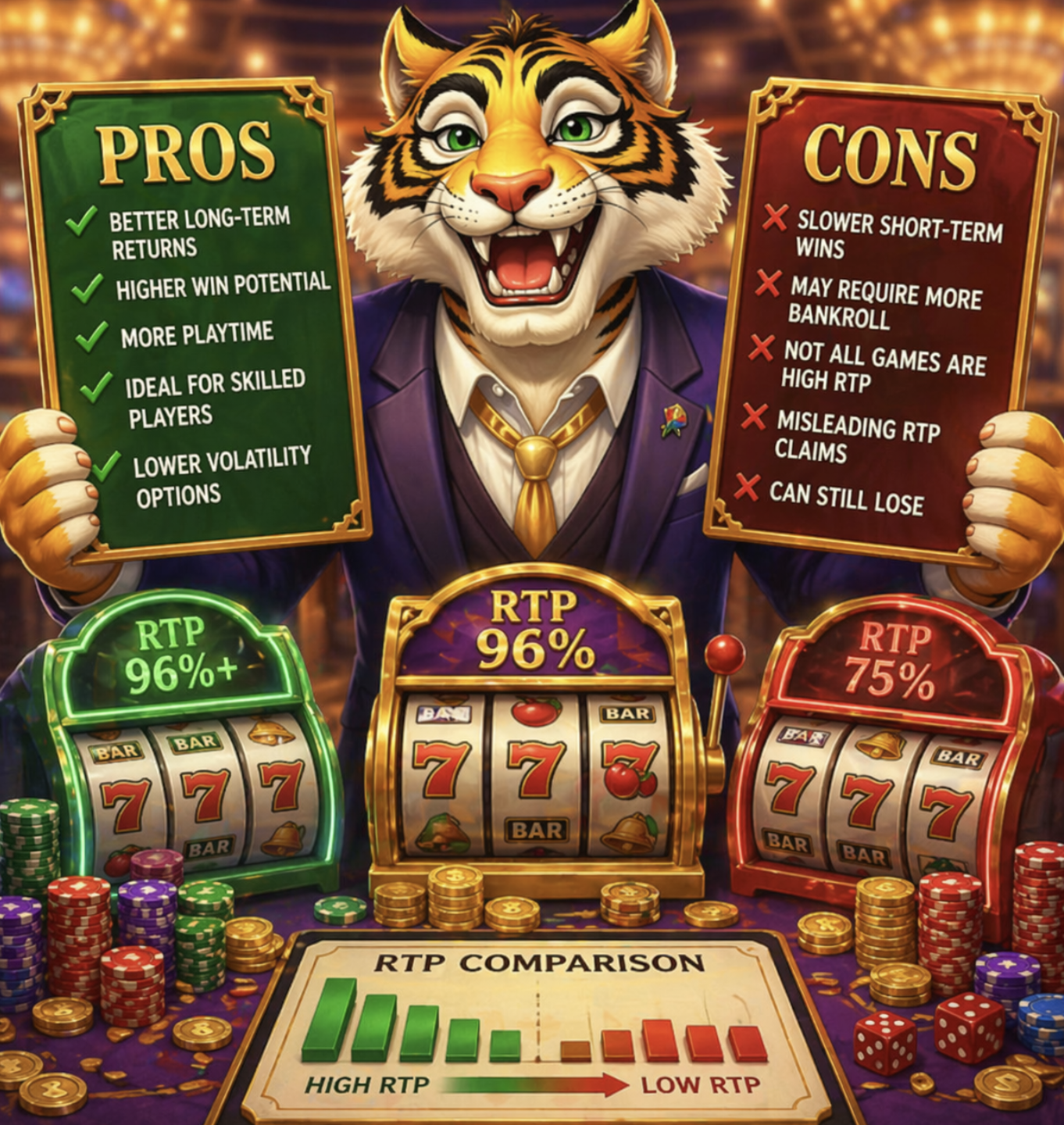
RTP is the long-term percentage a game returns over vast samples. Volatility describes the distribution of wins - how spiky or steady your session might feel. A 96% game can be calm (many small hits) or swingy (rare but larger peaks), depending on volatility.
Quick comparison
|
Aspect |
RTP |
Volatility |
|
Core idea |
Long-run payback percentage |
Win size and frequency pattern |
|
What it tells you |
Expected return over time |
Session "feel" (steady vs. swingy) |
|
Predicts next spin? |
No |
No |
|
Typical aim |
Compare fairness/efficiency |
Match comfort with risk spikes |
|
Limits |
Says nothing about hit frequency |
Says nothing about long-run return |
|
How to use |
Filter shortlists by % |
Choose the experience you enjoy |
These are two sides of the same coin. For slots, House Edge = 100% - RTP. A 96% RTP implies a 4% house edge over the long run. House edge is common in table games; RTP is more familiar in slots, but the relationship is direct.
Why this matters to selection:
If you like bite-size guidance, keep a small note: "RTP up, house edge down." Combine that with feature cadence and volatility, and you have a reliable mini-framework of slot player tips you can apply before each session. For more depth, check our in-game help panels - this section is designed as a compact casino game guide, while the rules screens show the exact numbers for the current version.
Attention:
Casinos cannot change RTP after launch. Only studio-approved variants with certified settings can be used.
Reading RTP correctly turns a wall of numbers into a simple, practical compass. This closing section ties the concepts together so you can move from curiosity to confident action in the lobby without rereading the entire slot FAQ.
Understanding RTP is crucial because it sets realistic expectations for each session and helps you choose games that match your style, whether you prefer frequent small wins or chasing bigger features. Think of it as part of a toolkit with volatility, hit frequency, and clear rules: RTP compares long-run efficiency, volatility defines the session's feel, and variance explains why short runs swing wildly even on a fair 96% slot. Rechecking rules after updates matters, since games can have multiple certified models, and knowing this reduces confusion when results zigzag.
Think of game selection as a quick under-a-minute checklist: start with RTP, aiming for 96%-97% or checking if a Feature Buy has its own rate, then look at volatility and hit frequency to decide whether you want steadier returns or bigger swings. Always confirm the version in the Rules or Help panel so the numbers match the lobby tile, and glance at how features are weighted - if most value sits in bonuses, expect quieter stretches in base play. Set a budget with clear exit cues, like testing 200-300 spins before reviewing, and pay attention to how the first block feels; from there, either settle in or switch to a title with a pace you prefer.





























































.png)
















 slots.png)










.png)












.png)













.png)






































.png)