







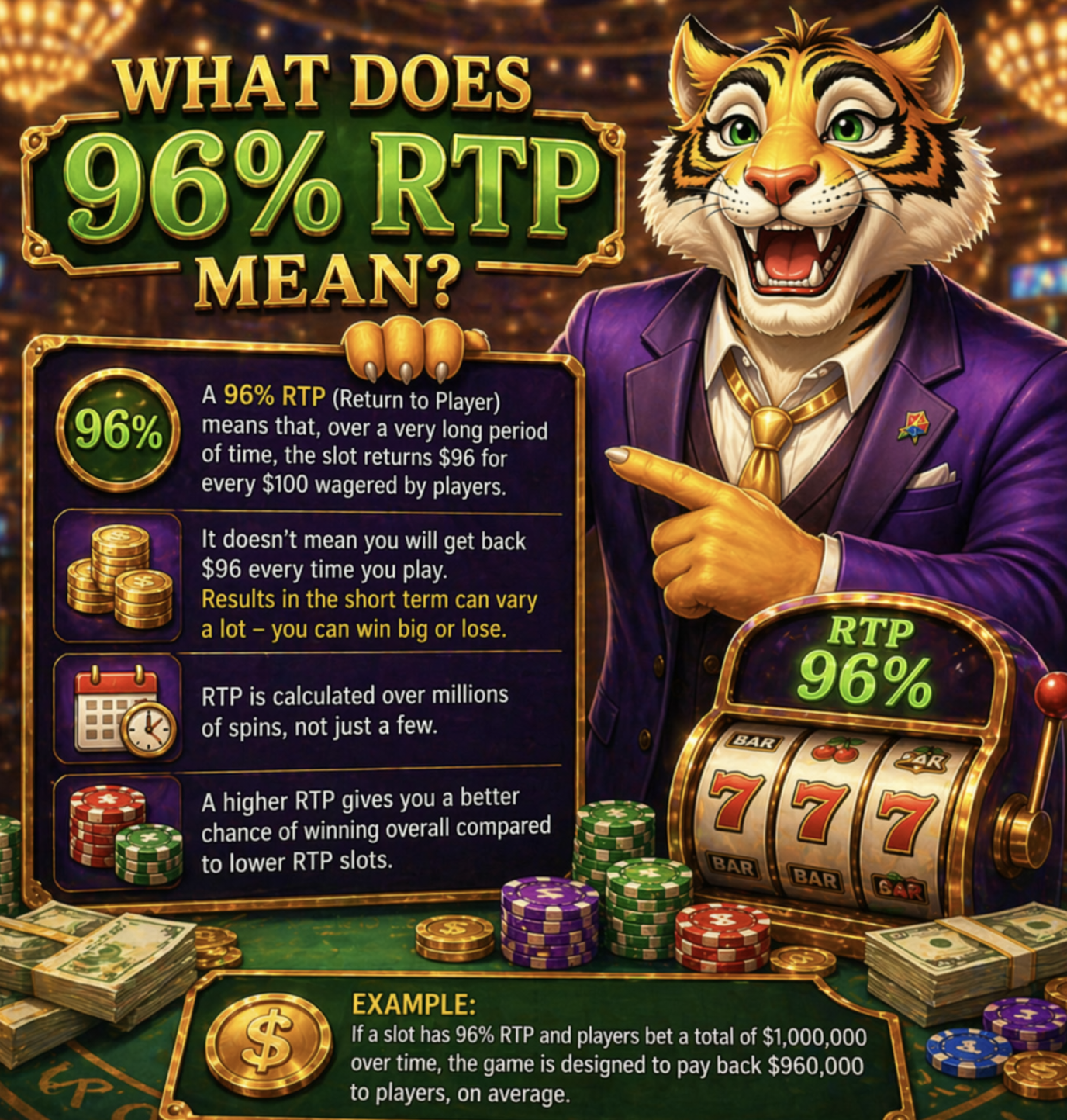
A 96% RTP (Return to Player) in slots indicates that, on average, for every $100 wagered, the game will return $96 to players over time. This percentage represents the theoretical payout over the long run, though actual outcomes can vary in the short term. Understanding what a 96% RTP means helps players make more informed decisions when choosing slot games, as it gives insight into the potential payout compared to other games with different RTP percentages.
Strategy Tip:
96% RTP is a benchmark many modern video slots target because it balances entertainment and sustainability for players.
RTP percentages are the core math behind every video slot in our lobby. They express, over the long run, how much of total stakes a title is designed to return and help you compare slot odds percentage across games with a clear, consistent baseline.
Here we lay the groundwork for reading paytables and understanding how theoretical returns relate to actual sessions. With this context, the rest of the guide shows how a 96% model behaves in practice and how to set realistic expectations for play.
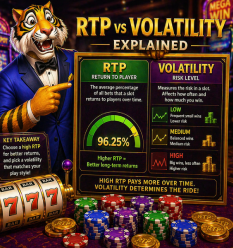
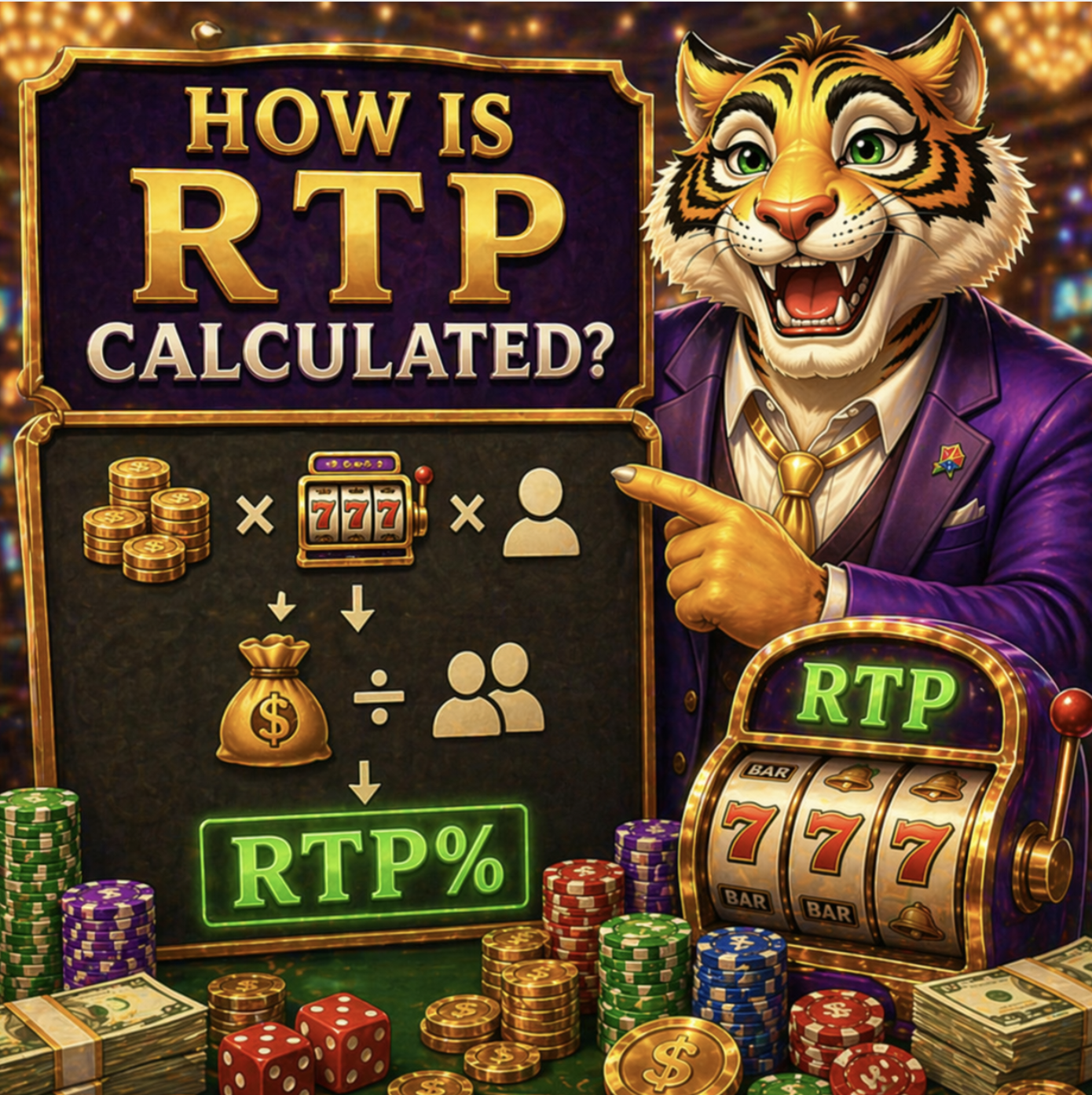
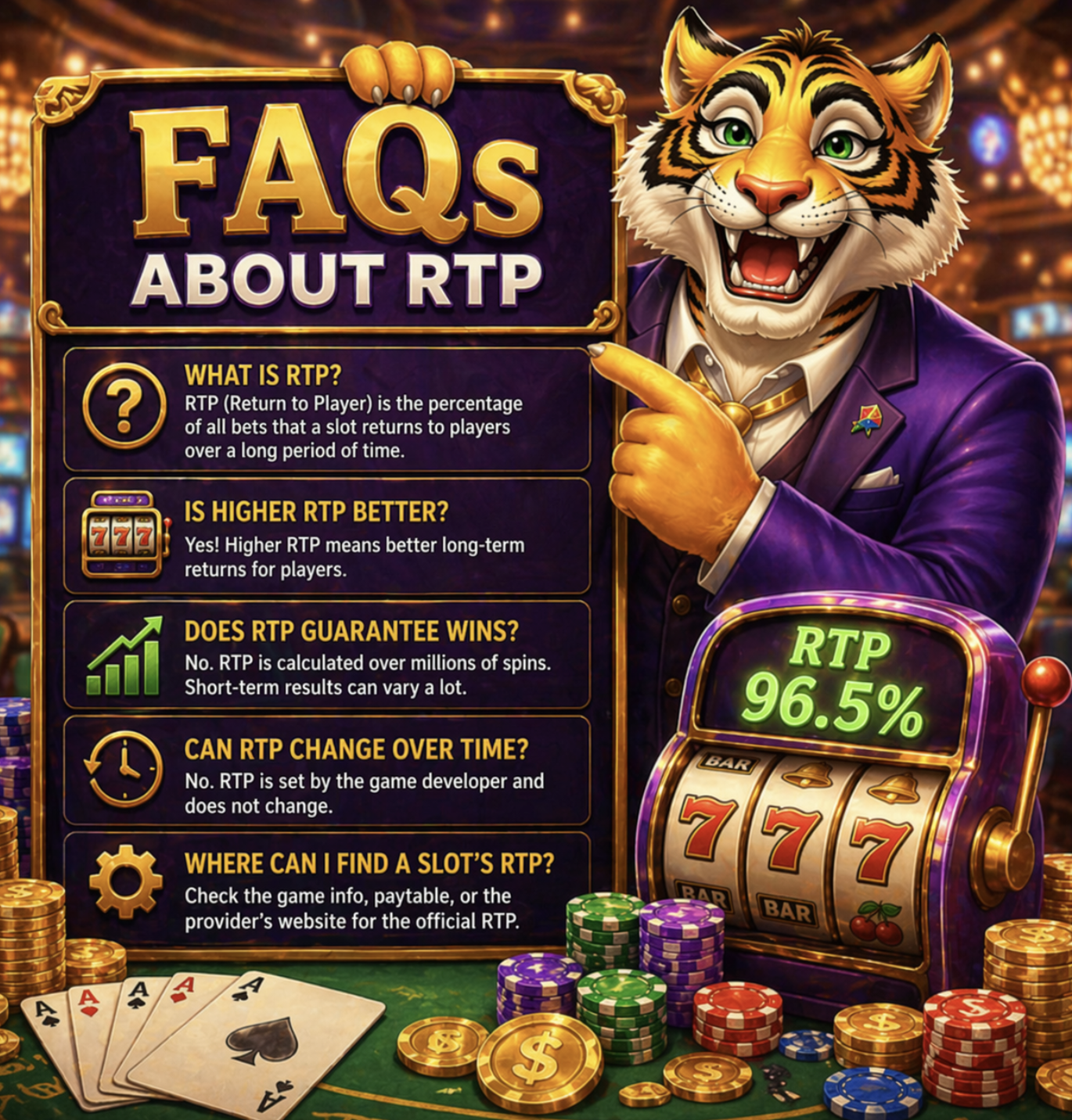
RTP stands for Return to Player. A 96% RTP tells you the games is designed, over a very long horizon, to return 96 units for every 100 units wagered. It's a theoretical average derived from millions of simulated spins and audited math models, not a promise for any single session. Think of it as an expected payout calculation across the lifetime of the title.
In plain terms, 96% is a benchmark many modern video slots target because it balances entertainment and sustainability. We disclose this figure so you can understand the odds percentage without digging through technical files. The number helps you compare titles fairly, just like fuel efficiency on cars helps compare models.
At a glance:
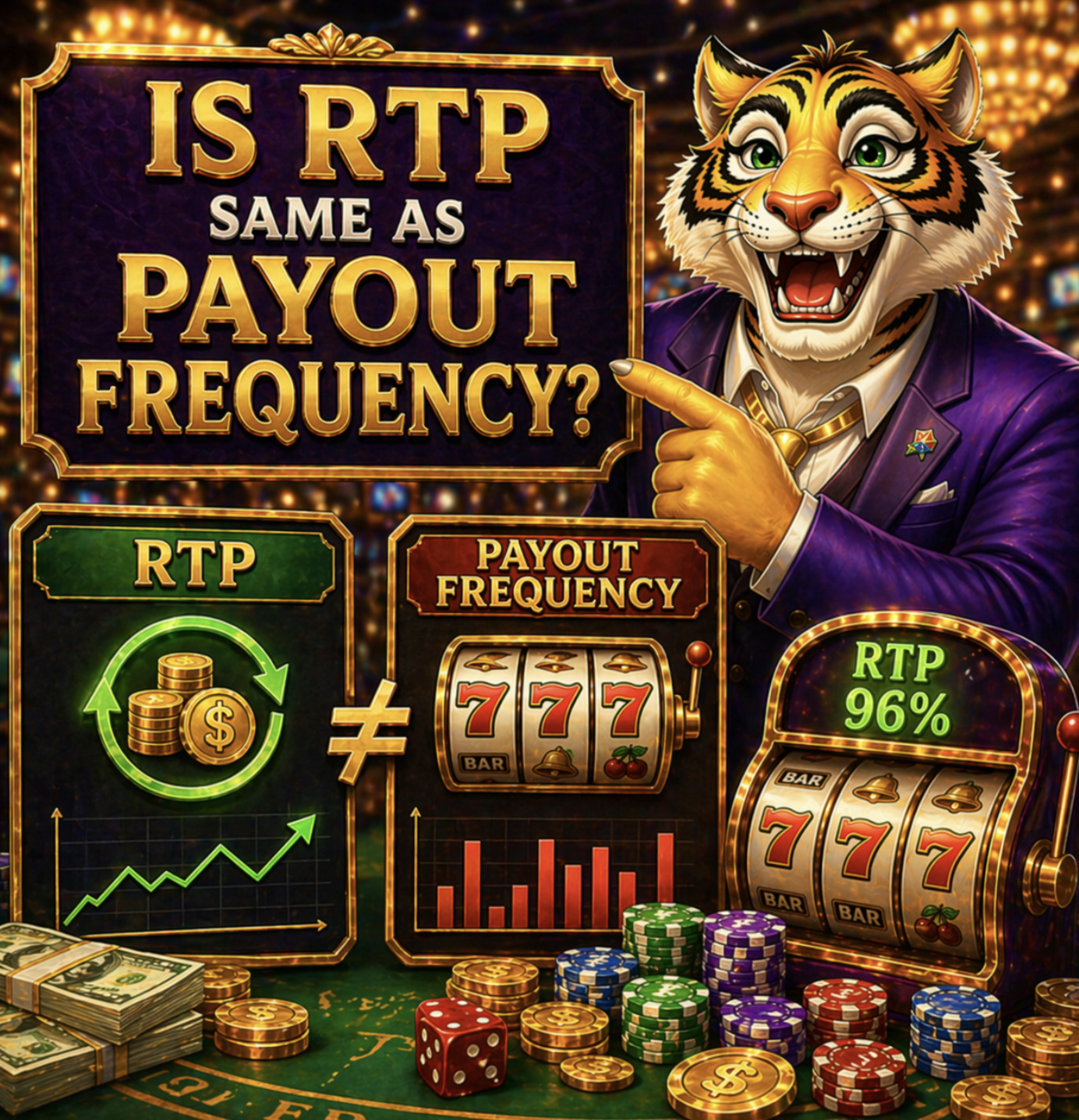
For everyday play, 96% RTP suggests that, if you extended your play to a very large number of spins, the online slot return would trend toward that 96% line. In the short term, volatility (variance) dominates, creating streaks - both dry spells and hot runs. That is why two players can have very different outcomes in the same evening while the long-term model stays intact.
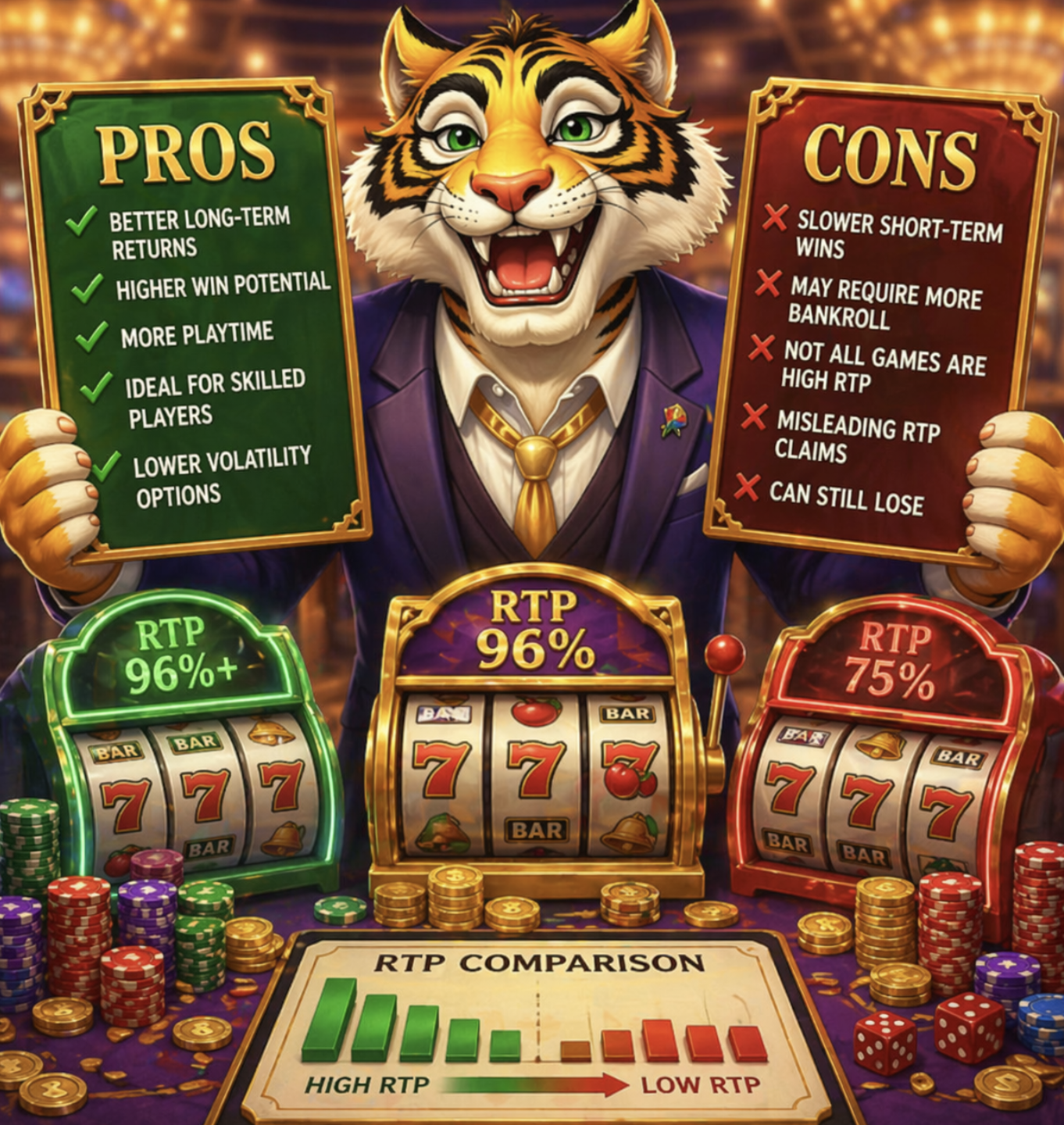
From a online casino viewpoint, clearly posting 96% sets proper expectations and supports informed entertainment. You can mix session goals (fun features, bonus frequency) with math transparency. Below is a quick pros and cons snapshot to set the right mindset.
Pros and cons of a 96% RTP (list):
Did you know:
A 96% RTP means the game is designed to return 96 units for every 100 units wagered over time.
This section turns the 96% figure into real play: we illustrate what a 100-spin snapshot can look like at a fixed stake and why results can deviate from the expected payout calculation in the short term while still aligning with the model over time Play.
Use these examples to set a session plan - stake size, spin count, and comfort with swings - so variance has room to balance out and features can land at a natural pace.
Imagine you play 100 spins at $1 per spin. Your total wager is $100. Over a lifetime of play, a 96% model would trend toward returning $96 for every $100 staked, but any single session can land above or below that line. The point of this section is to keep the expected payout calculation front and center while showing how results cluster around the long-run number only with scale.
Here's a simple illustration using three equally plausible sessions. These figures are examples, not promises, and they exclude jackpots or progressive features that can widen the range of outcomes.
|
Scenario |
Total Bet |
Example Return |
Net Result |
Notes |
|
Dry spell |
$100 |
$82 |
-$18 |
Few small line hits, bonus misses |
|
Typical |
$100 |
$95 |
-$5 |
Mix of small wins, one mini feature |
|
Hot streak |
$100 |
$113 |
+$13 |
Frequent features, one medium win |
Taken together, those snapshots clarify why a single evening can feel "cold" or "hot" even when the underlying model stays the same. The average of many sessions converges toward the math, while any one set of spins tells only a short chapter of the story.
Quick takeaways:
Variance is the distance between what happened now and what the math expects over a very long horizon. A game can have a fair online game return in the long run and still produce long dry streaks - especially if the paytable concentrates value in features or top symbols. That's where win probability explained becomes useful: frequent small wins reduce swing, while rare big wins increase it.
For practical play, treat the long-run figure as a compass rather than a stopwatch. Set a session budget, pick a duration (for example, 200-400 spins), and let the model breathe. Our published game payout info and volatility tags help you choose titles that match your comfort with swing and your preferred pace of features.
How to align sessions with a 96% model (numbered list):
Bonus insight:
96% RTP is a theoretical average from millions of simulated spins, not a promise for any single session.
Small differences in RTP can compound over long play. A 2% gap might feel minor over 50 spins, but across thousands of spins it becomes meaningful in bankroll drift. To compare fairly, read the slot payout meaning alongside volatility notes and feature frequency, then choose titles in our lobby that match your pace and budget. With that frame, the comparisons below keep expectations realistic while highlighting where each model shines within typical average slot returns.
A 94% title returns, in theory, 94 over 100 staked across massive samples, while 96% aims for 96. That 2-point difference is the odds percentage gap you'll feel most during long sessions: the lower figure tends to erode budgets faster when everything else is equal. Designers sometimes offset this with punchier features or higher top prizes, but the baseline model still matters for sustained play.
From our perspective, 96% offers a steadier long-run glidepath for everyday sessions and makes budgeting simpler. If you enjoy extended play or methodical goal-setting (for example, reaching a bonus naturally rather than buying it), the higher theoretical average helps your plan breathe. Always balance that math with volatility: a low-RTP game that concentrates value in rare features can still produce exciting spikes, but it usually asks for deeper cushions.
Quick comparison (bulleted list):
Practical tip: When two titles feel equally fun, the higher average slot payout generally supports more total spins per budget over time.
A 98% model, on paper, trends toward returning 98 per 100 staked, which is notably generous for standard video slots. In practice, such models may pair with tighter base-game pacing or specific feature structures to sustain balance. Read our info panels closely: hit rate, feature cadence, and prize distribution determine how that extra 2 points shows up across sessions.
For players who favor long, steady play, 98% can feel smooth - especially if the paytable sprinkles frequent small-to-medium hits. Still, even with a high online game return, short-term variance remains real. Treat the percentage as a map, not a promise, and let session goals guide your stake size and spin count.
When 98% makes sense (numbered list):
Operator view: We keep 96% RTP explained right next to volatility labels so you can compare apples to apples. If two titles fit your theme and mechanics, the higher figure often wins for marathon play, while a slightly lower figure might trade that edge for bigger peak prizes.
Attention:
Actual outcomes can vary in the short term. RTP represents long-term payout, not your next spin.































































.png)
















 slots.png)










.png)












.png)













.png)







































.png)