







Demo slots let you try games without risking real money, but many wonder how demo slot RTP compares to real wagers. Understanding how demo sessions reflect long-term returns helps you make smarter decisions, test titles effectively, and set realistic expectations for real-money play.
While the goal of a demo is to mirror the paid experience, expectations need context. The randomization is the same, but short sessions, optional features, and player behavior can skew impressions. Read on to see how free slot RTP relates to the live game, what influences results, and how to evaluate titles like a pro inside our lobby.
Strategy Tip:
Treat demo play as safe rehearsal for mechanics and pacing, not as a promise of specific returns.
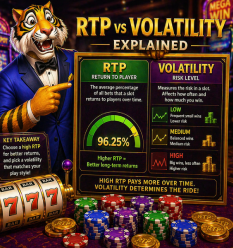
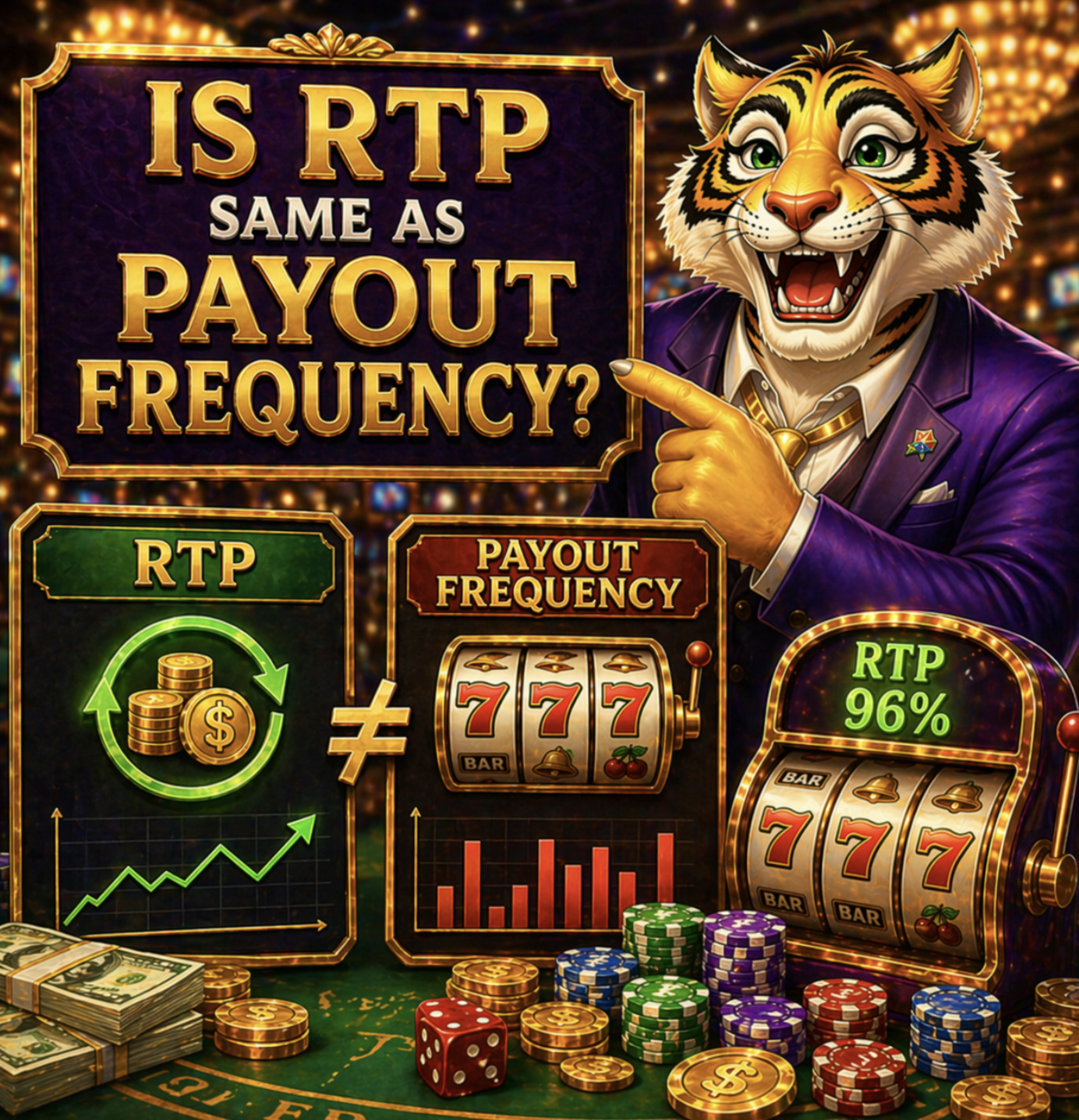
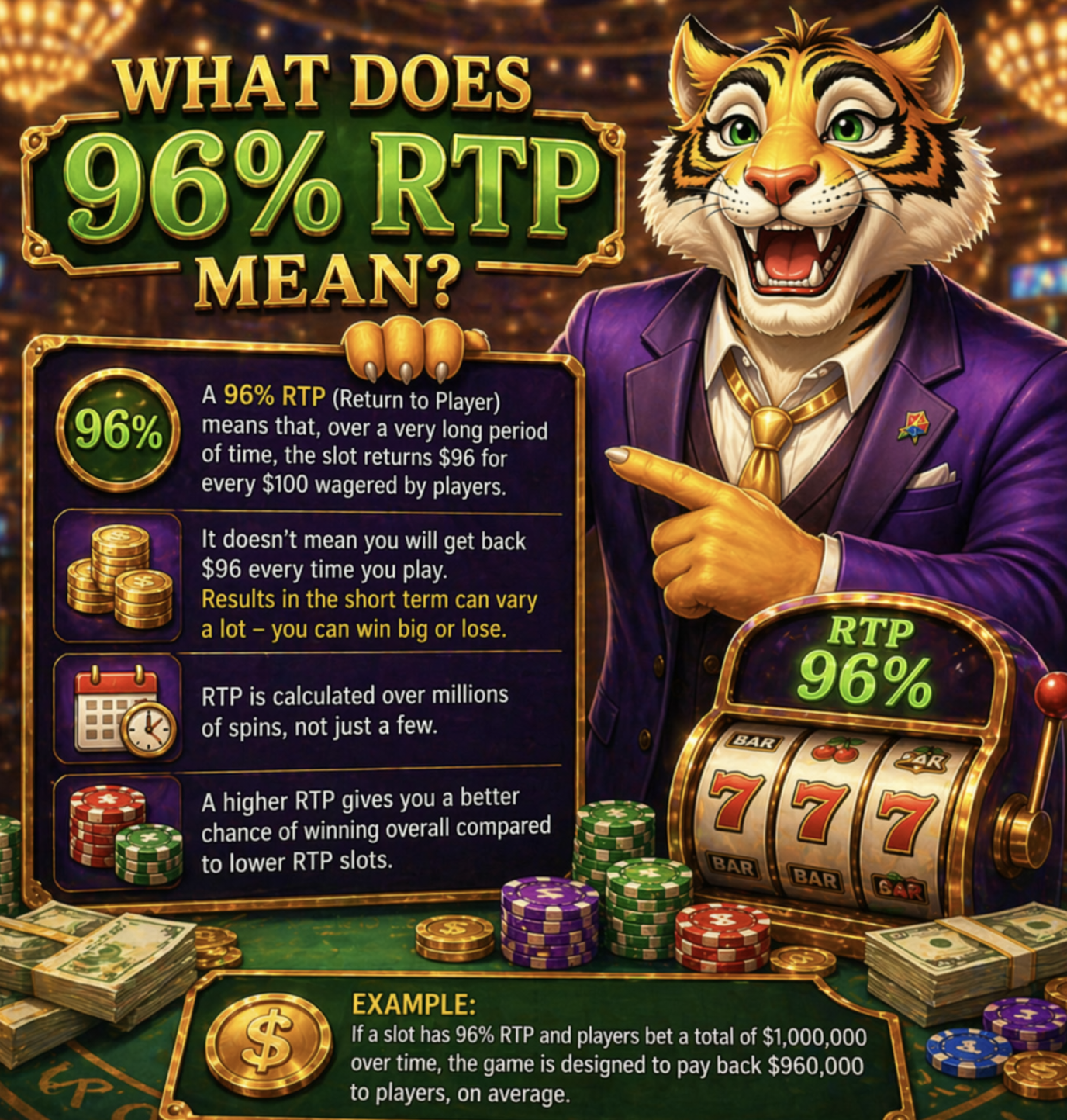
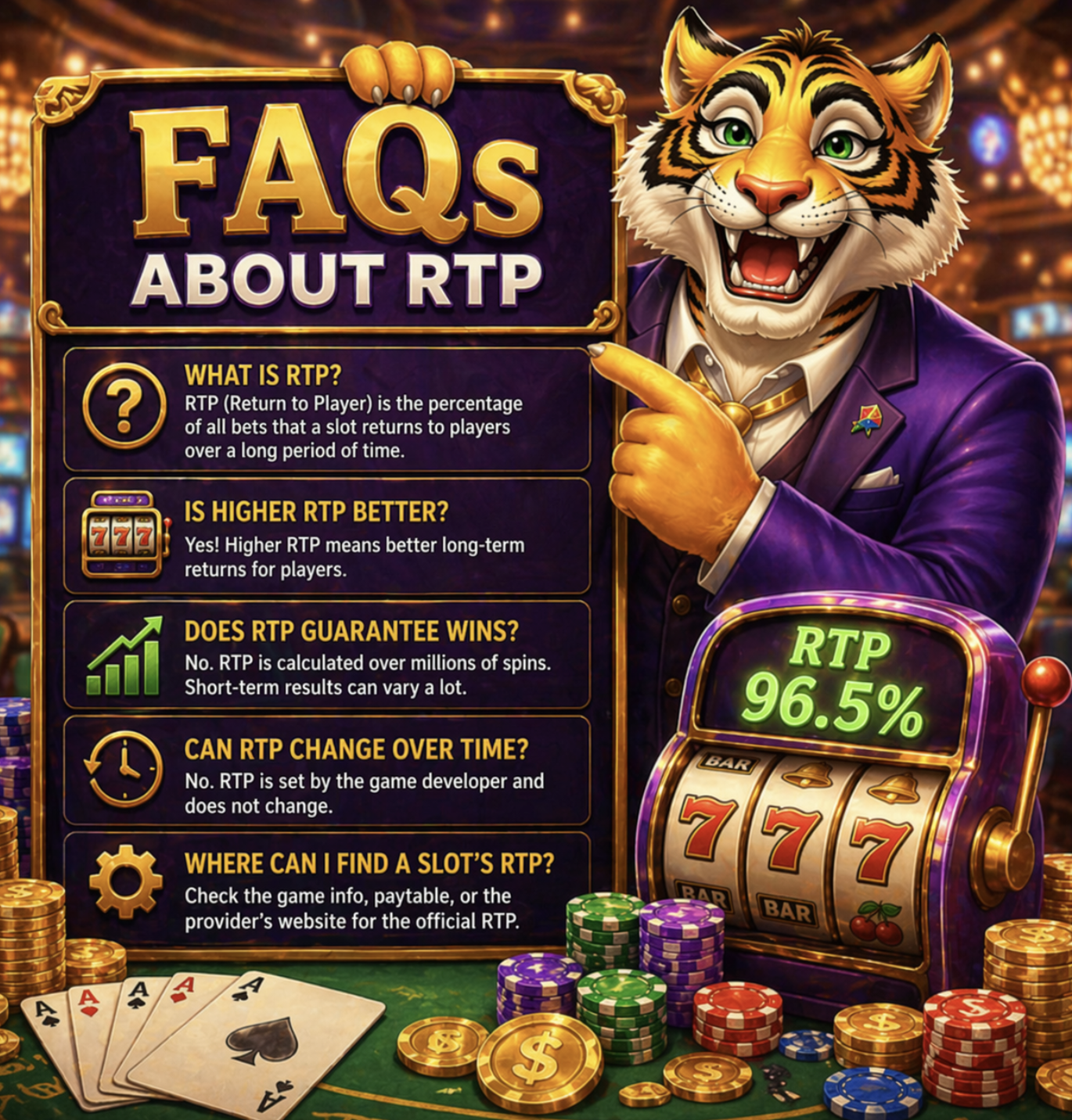
In simple terms, RTP is the theoretical share of total wagers a game returns to players over a very large number of spins. When configured correctly, a demo is built to show the same long-run behavior as the live title. That means identical paytables, identical symbol weights, and the same random number generator logic - so long as the developer offers a 1:1 demo build.
At our casino, we present game info panels that reflect the version you Play. If a slot has multiple RTP profiles (for example, 96.2% and 94.0%), the information panel should state which profile is active in both the demo and the live lobby. This helps you compare demo vs real money behavior without guesswork.
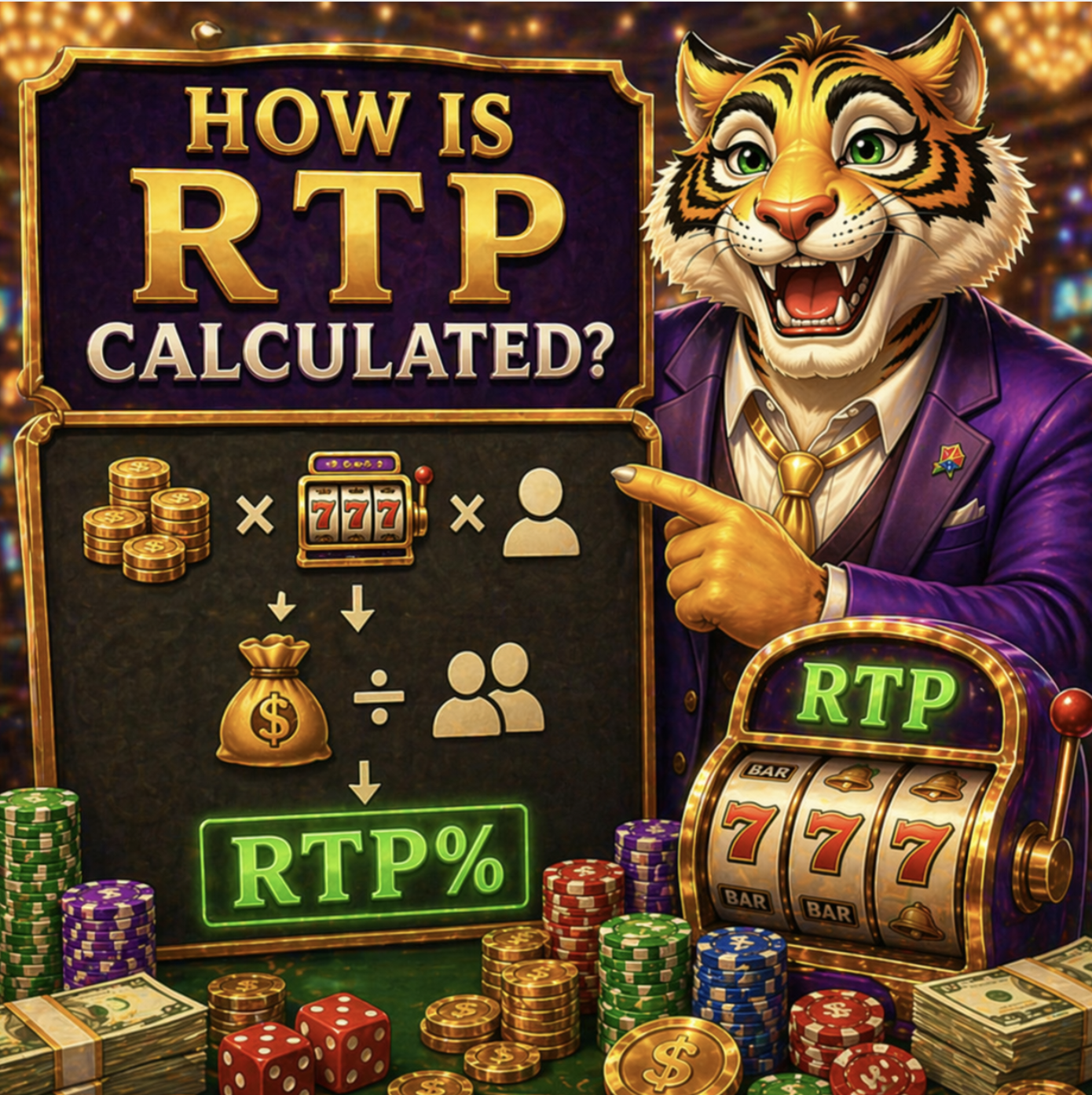
Developers model RTP by simulating enormous spin volumes with the same math used in production. Those simulations measure expected wins for every symbol combination, feature trigger, and bonus path. The resulting percentage indicates long-term behavior, not what a handful of sessions will show.
If you're curious about the mechanics, here is a simple way to think about it:
Because the above mirrors live math, demo slots RTP exists to reflect production play over scale. However, small, manual test play differences appear when players make only a few hundred spins, which is too little volume to converge on the published percentage.
Most modern titles ship a demo that matches core math: the same symbol distributions, hit rate, and bonus probability. Still, practical differences can emerge. Some demos disable paid bonus buys or jackpot contributions, which affects short-term excitement without changing the underlying probability model of natural bonus triggers.
The bigger gap is player psychology. With play money, most users take bolder risks, extend sessions, or chase features more aggressively. That behavior alters real money vs demo outcomes because bankroll management changes spin counts, feature access, and cash-out timing. In short, math stays constant; human decisions shift the feel.
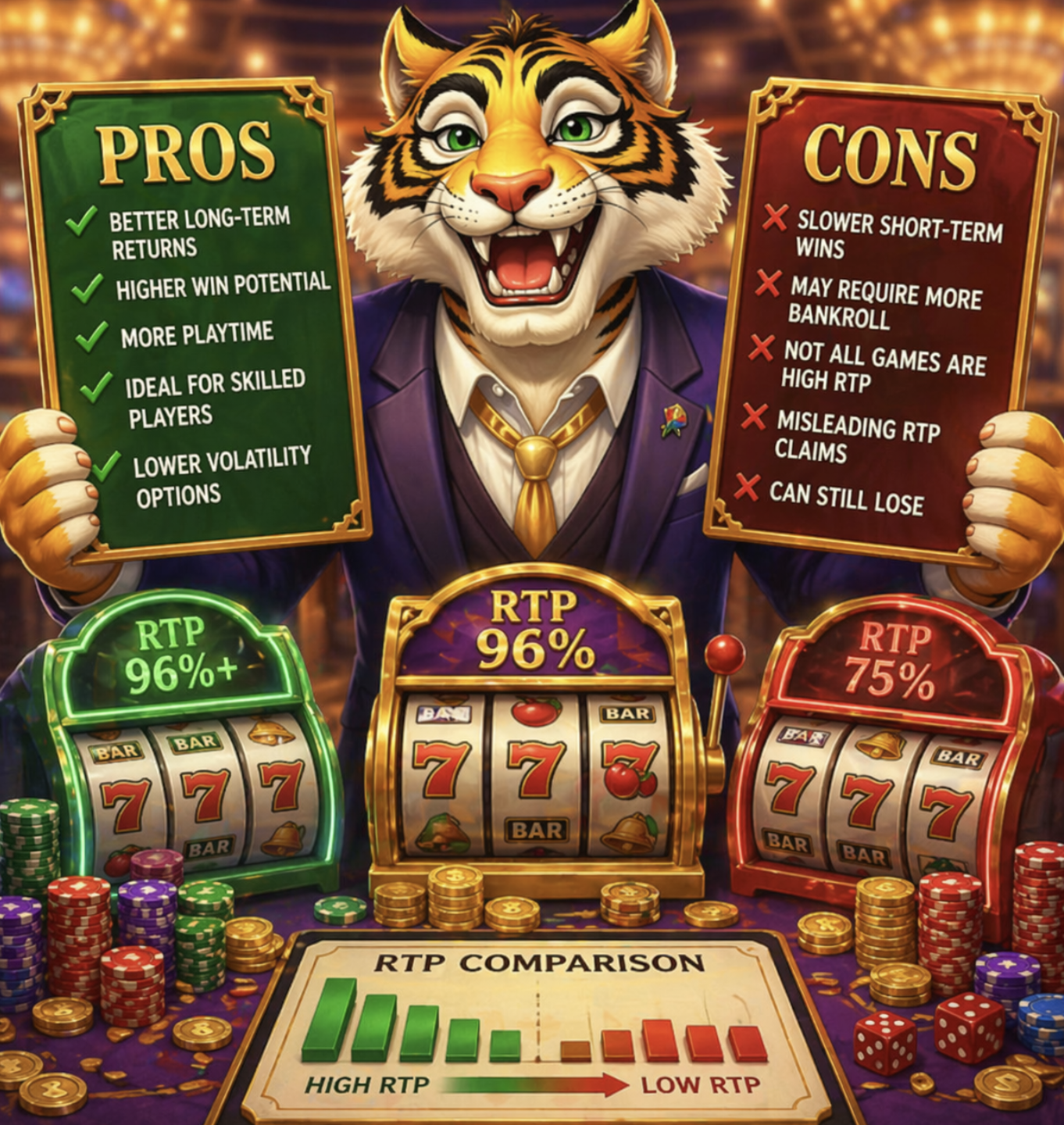
Pros and cons of demo play for RTP learning
Did you know:
If a progressive jackpot is shared only in live play, the demo may feel tighter without the pooled prize.
Even when the intent is parity, there are technical and compliance levers that shape what you see. Providers can ship several RTP profiles of the same game. Jurisdictions can require specific configurations. And platform features - like progressive pots - can change the effective return you feel in one session.
A single title might exist in multiple certified RTP variants (for example, 96.2%, 95.0%, 94.0%). Studios do this to meet market rules or operator preferences. Your demo should match the live variant we host; if a mismatch exists, it's usually due to an outdated embed or a region-specific build.
Feature toggles matter too. Bonus-buy availability, ante bets that raise feature odds, or progressive side pots can shift short-term return profiles without altering the base model. When you test, confirm which toggles are on in demo so your expectations align with the version you'll play for cash.
Regulators require that the published RTP be accurate for the configured build. Certification labs test that the RNG is unbiased and that long-run returns align with the stated percentage. In some regions, demos must either mirror the production math or be clearly labeled if limitations exist online casino.
Progressive jackpots are a special case. If a progressive meter is shared only in live play, the demo may not contribute or reflect that meter's value. The base-game math still holds, but the extra contribution from a rising pot is absent in trial mode, which can make the demo feel "tighter" in the short run even if the base RTP is identical.
Bonus insight:
Demo sessions are usually shorter and more experimental, which magnifies randomness and variance naturally.
Demo sessions are usually shorter and more experimental, which magnifies randomness. Players try new bet sizes, chase rarer features, or stop after a quick streak. That makes outcomes feel different from longer real sessions where budgets, time limits, and cash-out goals add discipline. In short, the math is the same; the context changes.
Feature toggles and missing progressives can also shape perception. If the demo omits a pooled jackpot or disables certain optional features, short-term volatility will look different. Treat slot test play as a safe rehearsal for mechanics and pacing rather than a promise of specific returns. Use it to understand volatility, not to "forecast" one evening's results.
Both versions use the same RNG class, so each spin is independent. However, independence does not mean smoothness. Streaks - both hot and cold - occur naturally, and small samples exaggerate them. A hundred spins can land far from the long-run expectation simply because that's how variance behaves.
This is why quick trials rarely line up with the theoretical percentage. Tiny sample sizes cannot converge on demo slot RTP, and the feel of volatility often overwhelms any sense of average return. If you want a clearer picture, increase spin count, keep bet size consistent, and log results so you can compare slot demo RTP behavior across titles in the same way.
A common myth is that demos "pay more to hook players." Certified titles don't switch to a looser math model in demo mode; what changes is session length and player behavior. Another misconception is that bigger demo wins mean the live version is easier. In reality, high-volatility games cluster payouts; seeing a big hit in 50 spins tells you little about the next 500.
Frequent myths to avoid:
Attention:
A hundred spins in demo can land far from long-run expectation simply because variance behaves that way.
A smart trial session turns curiosity into useful data. Approach demo time like a mini field study: keep stakes consistent, extend spin counts, and record what happens. The more structured your session, the closer your observations will sit to the game's published percentage over time.
Inside our lobby, treat trials as rehearsals for pacing and volatility. Keep an eye on hit frequency, bonus cadence, and the depth of dry spells. That way, when you switch to cash, expectations are grounded in evidence rather than hunches drawn from a short streak.
Start with a clear plan. Pick one denomination, decide on a fixed spin target (for example, 500-1,000 spins), and avoid changing bet size mid-test. This removes noise and makes real money vs demo comparisons meaningful later.
As you spin, log a few essentials: total wagered, total returned, number of hits, number of bonuses, and the longest drought. These figures help you understand short-term variance and set realistic goals for bankroll and session length.
Quick observation checklist
Table - What to track during a structured demo session
|
Metric |
Why it matters |
How to log quickly |
|
Spin count |
Larger samples reduce randomness |
Use the game's counter or manual |
|
Average bet |
Normalizes results across sessions |
Fix one denomination |
|
Total return |
Snapshot of observed percentage |
End-of-session note |
|
Hit rate |
Feel of volatility between bonuses |
Count wins ÷ spins |
|
Bonus triggers |
Pacing of feature access |
Tally free spins/bonus entries |
|
Longest dry spell |
Bankroll pressure indicator |
Track max consecutive no-win spins |
Before a test, open the info panel and paytable. Confirm the published RTP (for example, 96%), volatility label, number of ways/lines, and whether features like bonus buy or ante bet are available in your region. If a title ships in multiple RTP variants, ensure the version in trial matches the one in our real lobby.
Next, scan feature rules that influence pacing: scatter distribution, retrigger odds, progressive participation, and side pots. If the demo omits a progressive meter or disables certain options, note that your trial won't reflect those extras in cash play.
Practical steps
Table - Info panel fields to verify before testing
|
Field |
Typical location |
What to verify |
|
RTP % (e.g., 96.0%) |
Game info → Overview |
Matches the configured live variant |
|
Volatility (e.g., High) |
Game info → Overview |
Aligns with your risk tolerance |
|
Lines/Ways |
Paytable → Basics |
Impacts hit frequency and combo sizes |
|
Bonus rules |
Paytable → Features |
Trigger method, retriggers, multipliers |
|
Progressive rules |
Info → Jackpot section |
Participation in trial vs live play |
|
Feature toggles |
Settings/Bet panel |
Ante or buy availability, cost, and effect |































































.png)
















 slots.png)










.png)












.png)













.png)








































.png)