







Slot machines have been a target for cheaters almost since the day they were invented. The drive to cheat slot games pushed criminals from bent coins and fishing wire all the way to mobile apps and reverse-engineered firmware. This article covers the most notorious methods, how they worked, and exactly why none of them function in 2026.
Long before microchips existed, electromechanical machines ran on moving parts — and moving parts could be manipulated by hand. Physical slot machine tricks dominated casino fraud from the 1960s through the 1980s, producing some of the most inventive low-tech scams in gambling history.
The yo-yo was one of the earliest coin on a string exploits ever documented in US casinos. A player tied fishing line to a coin, dropped it to trigger the credit sensor, then pulled it back out before the machine registered a deposit — repeating the process indefinitely. Manufacturers killed this method by redesigning coin channels with angled sensors that detected reverse movement.
Shaved cheat slot coins had their edges filed down to confuse size and weight validators inside older machines. The coin would pass the first trigger but get rejected by the secondary sensor, dropping into the payout tray while still crediting the player. Counterfeit tokens worked on the same principle — manufactured slugs built to mimic real quarters.
Tommy Glenn Carmichael invented the monkey paw — a bent metal rod inserted through the coin chute to physically trigger the payout mechanism without spinning. It worked because older machines had exposed payout slides reachable from the coin return. Sealed, tamper-evident cabinets made this technique permanently obsolete.
Also Carmichael's invention, the light wand was a small LED device that blinded the optical sensor inside the coin hopper, preventing it from counting dispensed coins — and stopping the payout. The result was massive over-payments that went undetected until the hopper was empty. Manufacturers responded with shielded, multi-layer sensors that no single light source could saturate.
As cheat slot machines added circuit boards and electronic validators, cheaters upgraded their toolkits accordingly. The methods below represent the transition zone between physical tampering and true electronic fraud — creative, legally dangerous, and short-lived.
The top-bottom joint was a two-part metal tool operated by two people simultaneously — one piece disrupting the credit mechanism from above, the other accessing the coin system from below. Together they triggered payouts with no legitimate play recorded. This became one of the most pursued pieces of contraband in Nevada gaming enforcement history during the 1970s and 80s.
EMP devices exploited the sensitivity of early electronic processors. A targeted electromagnetic burst near the machine's board could force a payout loop or cause it to malfunction in the cheater's favor. Slot hacking with EMP equipment was documented in both US and European cases through the late 1990s, before shielded circuit boards became the manufacturing standard.
❌ Using an EMP device near gaming equipment is a federal offense in the United States — carrying felony-level charges regardless of whether the attempt succeeded.
Thin piano wire inserted into an older cabinet could physically hold specific reels in a winning position, turning a near-miss into a jackpot. This required either inside access or a distraction accomplice. Documented cases in Nevada enforcement records helped push manufacturers toward fully sealed reel housings with no accessible interior gaps.
Video slots and networked gaming systems moved the battlefield from the casino floor to laptops and server rooms. The exploits below required serious technical skill — and still failed against modern defenses.
Pseudo-Random Number Generators produce outcomes that look random but follow a deterministic algorithm. In 2014, a group linked to a European software firm mapped PRNG cycles in older IGT machines and built a mobile app that signaled operatives on the floor when to spin. The attack required weeks of observation data and extremely precise timing — but it functioned long enough to extract significant sums before investigators caught on.
💡 Lucky Tiger uses server-side RNG with continuously rotating seeds, making local pattern analysis mathematically impossible regardless of observation time.
A group of Russian nationals reverse-engineered the source code of Aristocrat Mark VI machines, identified a cycle flaw, and built a phone app that vibrated at the exact moment to hit spin. This firmware manipulation case was investigated by the FBI, with multiple arrests made across Missouri and Nevada. It became a defining case in US gaming security legislation.
Software bugs occasionally cause unintended behavior — repeated free spin triggers or miscalculated payouts. Stumbling into a glitch is usually accidental, but continuing to exploit a known error deliberately is prosecuted as fraud under US gaming law. Casinos are not legally required to honor payouts generated by verified software errors.
Ronald Dale Harris, a Nevada Gaming Control Board engineer, embedded cheat codes directly into machine firmware during authorized updates — and collected for years before a colleague reported a suspicious keno win in 1995. Rigged machines require no action from the player; the fraud is installed before the game even loads. This case permanently changed how firmware updates are audited, requiring dual oversight and independent verification on every patch.
Poorly regulated mobile casino apps introduced a new attack surface — weak API security, manipulated RNG implementations, and third-party exploits on unlicensed platforms. Players on unofficial apps have no legal protection under US law. Licensed and certified platforms are the only environment where a player's funds and game fairness are actually guaranteed.
Every how to trick a slot machine to win method below was real, documented, and eventually defeated by targeted countermeasures. The table shows how each cheat evolved from improvised tools to technical exploits — and what closed each door permanently.
|
🎰 Cheating method |
🔧 Tool used |
📅 Era |
🛡️ Modern countermeasure |
|
Yo-yo trick |
Coin on a string 🪙 |
1960s–70s |
Angled channels, retraction sensors |
|
Shaved coins |
Counterfeit tokens 🪙 |
1970s–80s |
Multi-sensor weight + size validation |
|
Monkey paw |
Bent metal rod 🐒 |
1980s–90s |
Sealed tamper-evident cabinets |
|
Light wand |
LED device 💡 |
1990s |
Shielded multi-layer hopper sensors |
|
Top-bottom joint |
Two-part metal tool 🔩 |
1970s–80s |
Hardened internal access controls |
|
EMP jammer |
Pulse device ⚡ |
1990s–2000s |
EMI-shielded circuit boards |
|
Piano wire |
Steel wire 🎵 |
1980s |
Fully sealed reel housings |
|
PRNG manipulation |
Mobile app 📱 |
2010s |
Server-side seed regeneration |
|
Source code exploit |
Firmware manipulation 💻 |
2010s |
Encrypted firmware + audit trails |
|
Insider rigging |
Cheat codes 🔑 |
1990s |
Dual-oversight update protocols |
|
Glitch exploitation |
Software bugs 🐛 |
2010s–present |
Real-time anomaly detection |
|
Mobile app hacking |
API exploits 📲 |
2020s |
Licensed platforms, encrypted APIs |
The magnet trick appears regularly in online forums as a supposed shortcut. It had limited effectiveness on electromechanical machines from the 1970s — and has been completely useless on digitally controlled machines since the late 1990s.
Casino security has evolved into a multi-layered technical infrastructure that no single exploit can bypass. Modern casino security operates simultaneously across hardware, software, network, and behavioral monitoring — making isolated attacks irrelevant by design.
Machine learning models analyze betting patterns, session lengths, payout clusters, and win frequencies in real time across every active terminal. Any statistical deviation from normal play distributions triggers an automated alert — often before a human supervisor notices anything unusual. These how to trick a slot machine systems also correlate behavior across multiple sessions and machines, making coordinated strategies like timed PRNG attacks detectable within minutes.
Outcomes in modern slots are generated on remote servers with continuously rotating seeds — not on the physical machine. There is no local algorithm to reverse-engineer and no timing pattern to exploit at the terminal level. Independent labs including eCOGRA and iTech Labs certify these systems, and results are delivered to the machine only after generation is complete on the server side.
Blockchain-based audit trails record every game outcome in an immutable public ledger, making retroactive manipulation — the kind used in insider jobs — provably impossible. Modern anti-fraud systems layer server RNG, encrypted communication, anomaly detection, and blockchain logging into a defense stack more complex than most retail banking architectures.
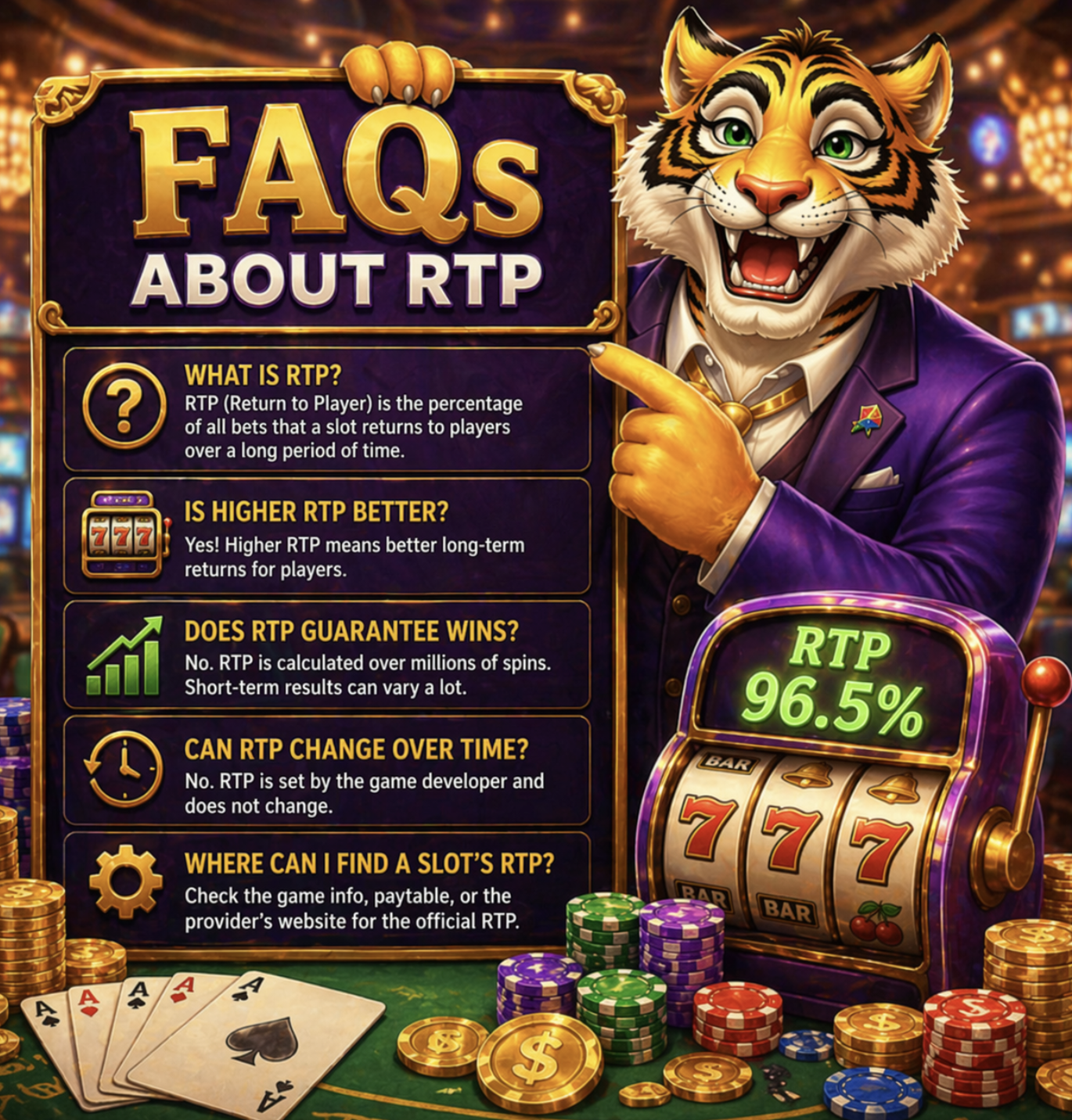
Lucky Tiger casino applies certified RNG systems, licensed oversight, and real-time fraud monitoring to every game on the platform. For US players, this means independently verified fairness on every spin with published RTP figures that reflect actual mathematical outcomes.
Third-party RNG certification verifies that no outcome can be predicted or influenced by any party — including the operator. Published return-to-player percentages are mathematically enforced, not estimates. Certification is renewed regularly and covers every game title on the platform.
Nevada's NRS 465 statute defines slot cheating broadly — covering any device, method, or technique used to influence a game outcome. Penalties reach $10,000 in fines and up to six years in prison per offense. Understanding how to cheat at slots is fine as history — actually attempting it in a licensed US venue is a felony, and modern detection systems make getting caught a near certainty.




































































.png)















 slots.png)










.png)












.png)













.png)








































.png)