







Understanding bet sizes transforms how you approach casino gaming. When slot machine denominations explained explained correctly, players discover the direct link between credit values and potential returns. This guide covers everything from penny games to high-limit machines, helping you select the ideal denomination at Lucky Tiger in 2026 based on your budget.
Every slot operates on a base credit value that determines your cost per spin. This fundamental unit—whether $0.01 or $100—shapes your entire gaming experience and potential outcomes.
The term "denom" represents the smallest betting unit on any machine. Casinos offer options ranging from penny ($0.01) through nickel ($0.05), quarter ($0.25), dollar ($1.00), and beyond to $100+ for high-stakes players. Knowing what does denomination mean in slots helps you navigate gaming floors confidently.
Screens display credits, not dollars, which confuses newcomers. Inserting $20 into a quarter machine shows 80 credits—not $20. The credit value equals your betting units, while cash value reflects actual money. Always verify the denomination before playing, as 100 credits means vastly different amounts across machines.
Multi-denomination machines let you adjust betting levels without changing games. The slot denomination you select impacts both potential wins and session length. Look for "Change Denomination" in settings to switch between options like nickels and quarters.
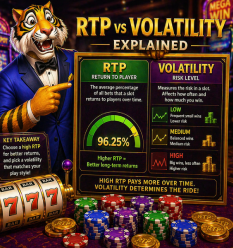
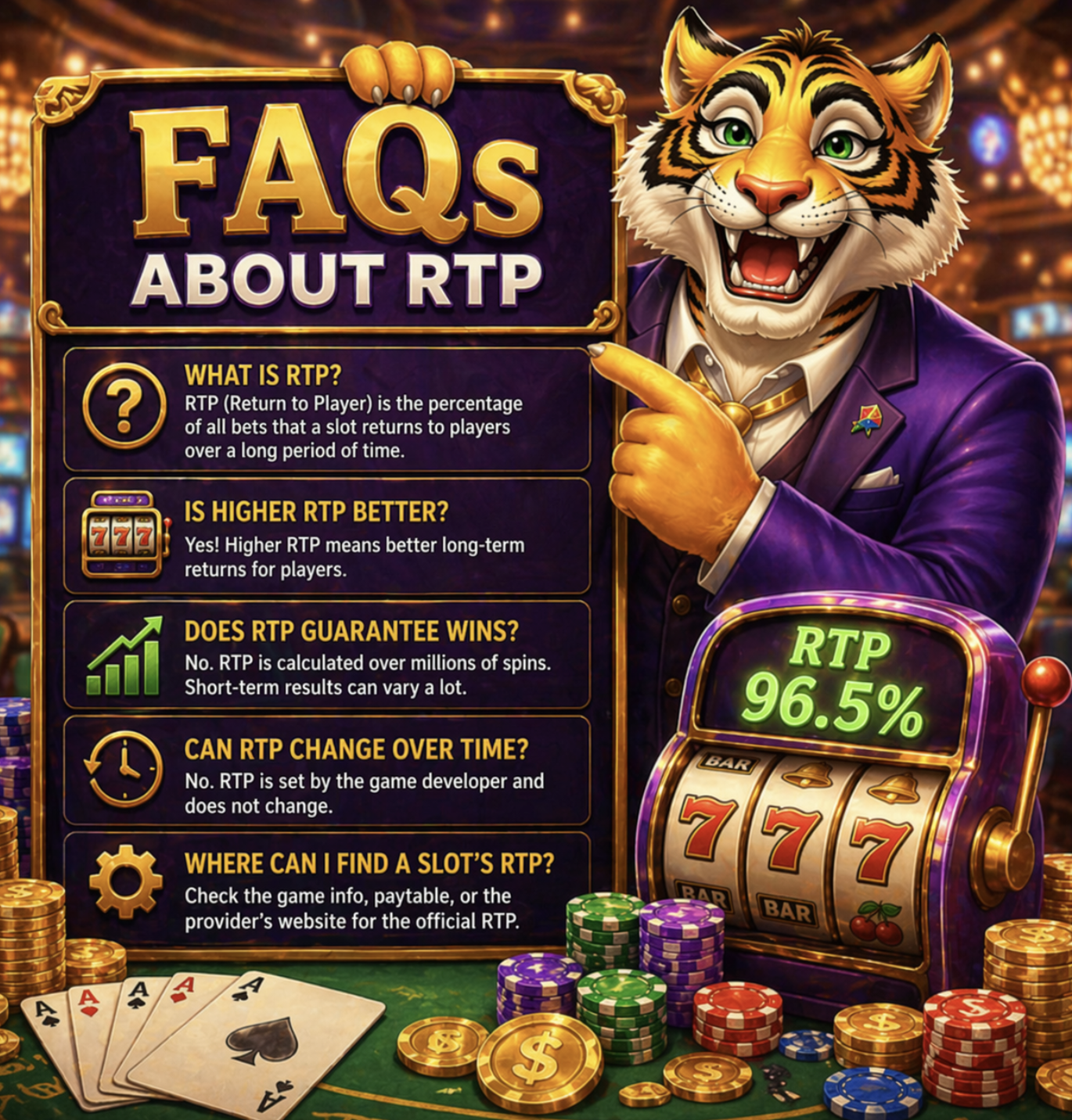
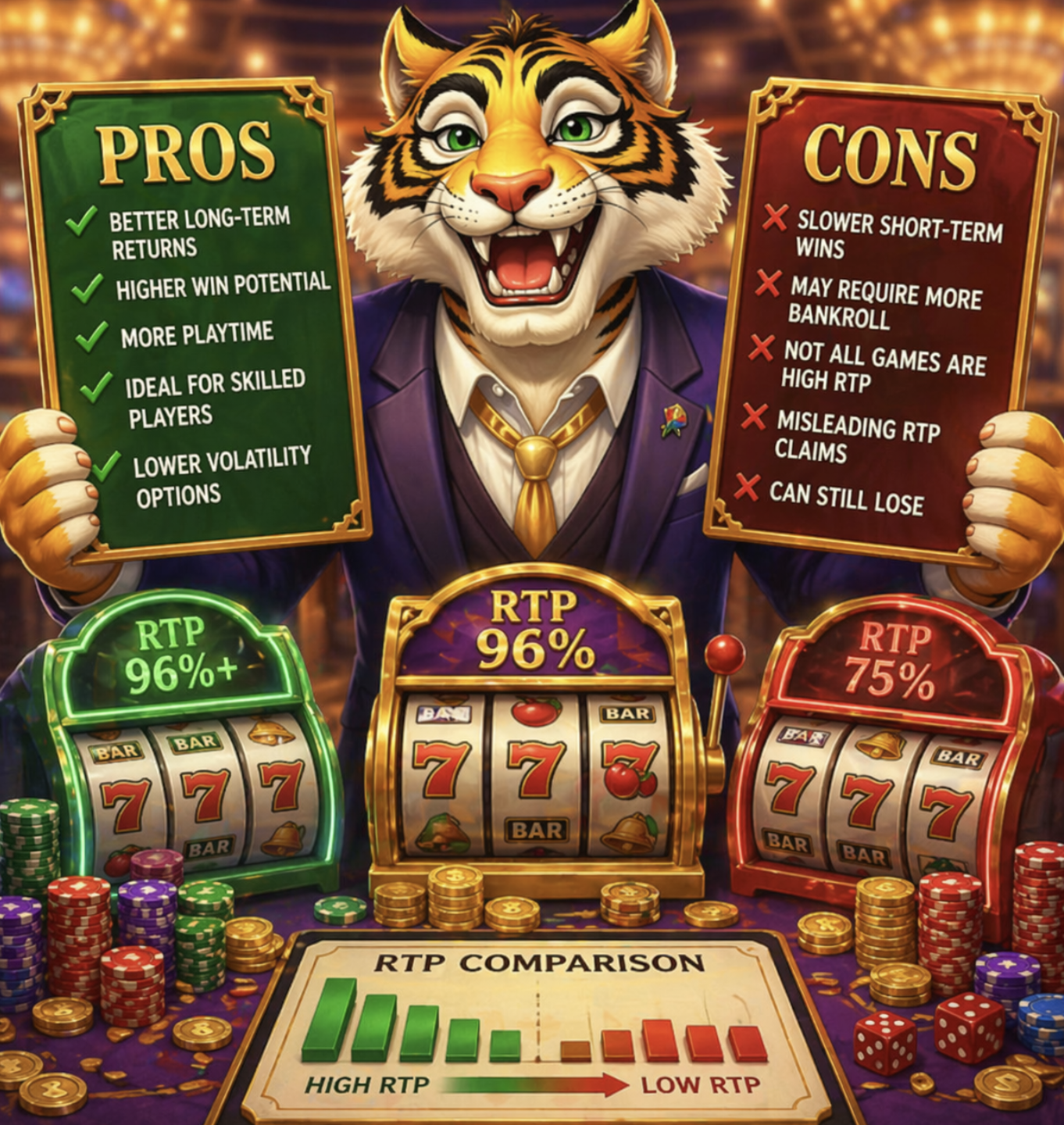
Machines with larger denominations consistently return more money over time. This documented industry practice means the payout percentage (RTP) rises as you move from penny slots to dollar machines.
Dollar slot machine denominations explained machines typically feature 94-98% RTP, while penny slots hover around 88-92%. Casinos profit more from higher denominations despite better odds because each spin generates greater revenue. This economic reality creates genuine advantages for players betting at elevated levels.
Superior RTP accompanies increased risk. A $200 bankroll provides 20,000 penny credits but only 200 dollar credits. Bankroll management often pushes recreational players toward lower stakes despite mathematical advantages at higher levels.
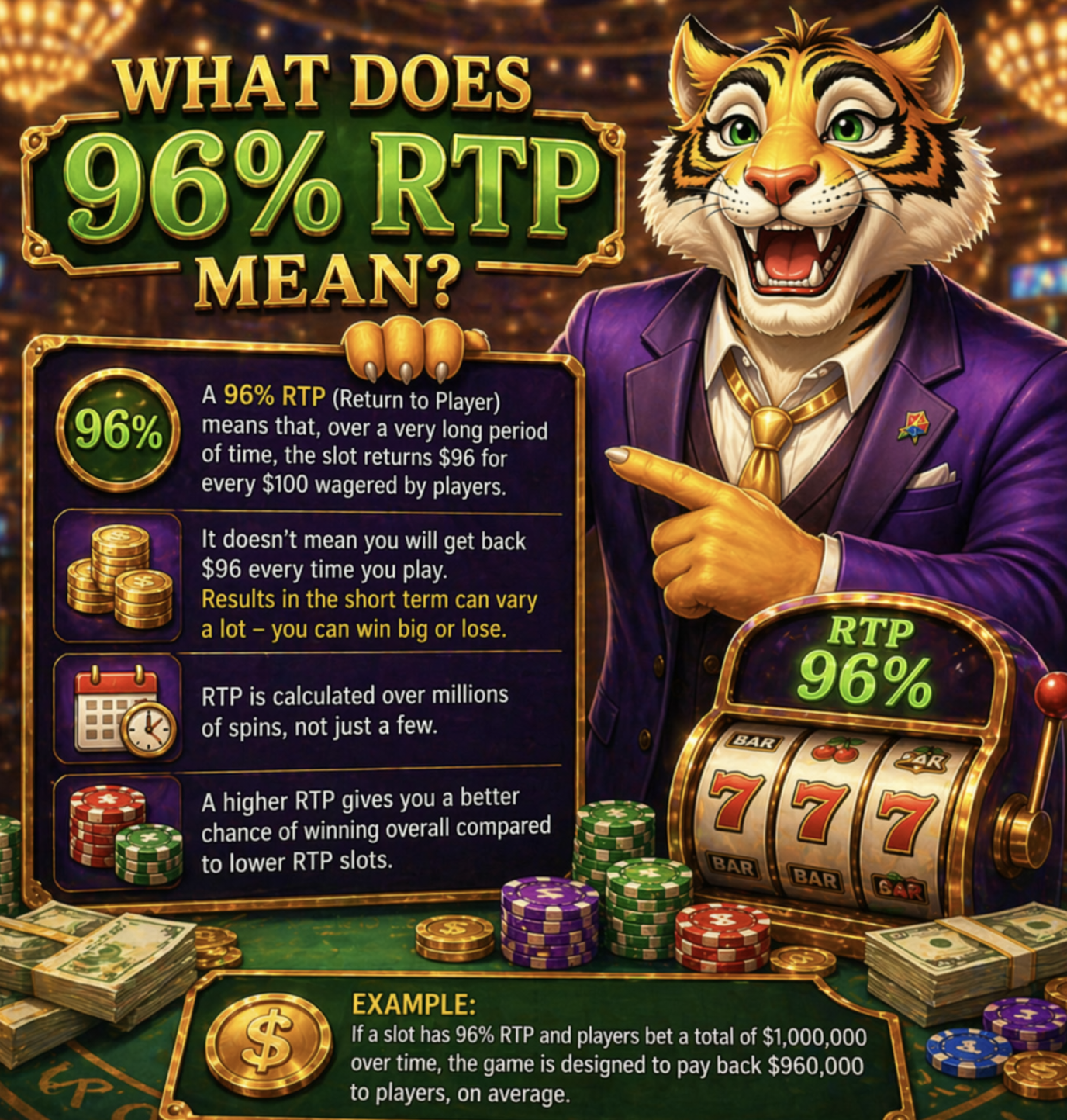
Two players wagering $1,000 total see different outcomes. Player A on a 90% RTP penny slot expects $100 in theoretical losses. Player B on a 96% dollar slot expects only $40 in theoretical losses. The volatility by denomination also matters—higher-denom games feature fewer but larger wins.
Different bet slot machine denominations explained levels suit different budgets and goals. The distinction between nickel vs quarter reflects your entire approach to gambling entertainment.
|
Denomination |
Typical min bet |
Risk level |
Best for... |
|
🪙 Penny ($0.01) |
$0.20-$0.50 |
🟢 Low |
Budget players, long sessions |
|
🪙 Nickel ($0.05) |
$0.50-$1.00 |
🟢 Low-Medium |
Casual players wanting action |
|
🪙 Quarter ($0.25) |
$1.00-$2.50 |
🟡 Medium |
Balanced risk/reward seekers |
|
💵 Dollar ($1.00) |
$3.00-$5.00 |
🟠 Medium-High |
Experienced players |
|
💎 High-limit ($5-$100) |
$15.00-$500+ |
🔴 High |
Whale players |
Penny slots attract crowds promising extended playtime on modest budgets. However, multi-line requirements often push actual costs to $0.40-$0.80 per spin. These games suit entertainment-focused players prioritizing time over maximum returns.
Quarter and dollar machines balance reasonable RTP with manageable risk. Players with $200-$500 session bankrolls find these denominations provide optimal excitement and potential returns.
The high limit room caters to players wagering $5-$100 per credit. These areas offer premium service and improved odds, but risk matches reward—bad streaks consume thousands quickly.
Should you bet maximum credits at lower denominations or fewer credits higher up? Both risk identical dollars per spin yet produce different outcomes. A slot denomination calculator helps plan sessions effectively.
Progressive jackpots typically require maximum bets for eligibility. Before playing any progressive, verify jackpot requirements—missing a life-changing prize due to insufficient betting creates devastating regret.
Betting 100 pennies ($1.00) on a penny machine returns less than one dollar credit on dollar machines. The slot machine denominations carry different RTP programming, not just different total wagers.
Modern video slots complicate choices with paylines and multipliers. A 50-line penny slot at 2 credits per line costs $1.00—identical to single-credit dollar play. Your betting strategy should account for how multi-line configurations generate more frequent small wins.
Smart players match denomination to budget rather than ambition. These principles ensure sessions last long enough for variance to potentially work favorably.
Divide your bankroll by 300 to find maximum comfortable bet per spin. With $150 available, target around $0.50 per spin for approximately 30-45 minutes of play.
💡Track spins per hour—most players average 400-600, helping refine future planning.
Move up only after winning sessions build your bankroll naturally. Never chase losses by increasing stakes. Move down when bankroll shrinks below comfortable levels.
Online platforms display denomination options in each game's settings. Locate the coin value selector and adjust according to budget before spinning.
Industry data from 2026 shows clear patterns in how different machine slot denominations perform regarding player returns and game behavior.
|
Denomination |
Average RTP range |
Hit frequency |
Volatility |
|
🪙 Penny |
88%-92% |
🎯 High (25-35%) |
🌊 High |
|
🪙 Nickel |
90%-94% |
🎯 Medium-High |
🌊 Medium-High |
|
🪙 Quarter |
92%-95% |
🎯 Medium |
🌊 Medium |
|
💵 Dollar |
94%-97% |
🎯 Medium-Low |
🌊 Medium-Low |
|
💎 High-limit |
95%-98% |
🎯 Low |
🌊 Low-Medium |
Casino floors breed superstitions, and denomination-related myths rank among the most persistent. Separating fact from fiction helps you make decisions based on reality rather than wishful thinking or unfounded fears.
Absolutely not. Random number generators operate continuously regardless of settings. Switching denominations never influences upcoming results—each spin remains completely independent.
High-limit areas feature better RTP, but "luckier" mischaracterizes the situation. Improved odds come from programming, not magical placement. Real benefits include quieter environments and better service.
Slots never run hot or cold based on denomination. Every spin operates independently with no memory of previous outcomes. Choose denominations based on budget, not perceived temperature.





























































.png)
















 slots.png)










.png)












.png)













.png)







































.png)