






Every time you place a bet at an online casino, two numbers are silently working against each other. Understanding the House Edge & RTP relationship is the single most useful thing a beginner can learn before spending real money. This guide breaks down both terms in plain English, shows you how they connect mathematically, and helps you pick smarter games at Lucky Tiger Casino.
Casino math is not mysterious. It is a House Edge vs RTP explained system built on a simple principle: every game is designed so that the operator earns a predictable margin over time while players still have a real chance to win on any given spin or hand.
An online casino is a regulated, licensed business with servers, staff, game licenses, and payment processing costs. Without a built-in edge, no operator could survive long enough to pay out jackpots. The casino profit margin is not a scam; it is the operating fee baked into every game's math. Think of it the same way you think of a service charge at a restaurant: expected, transparent, and worth knowing before you order.
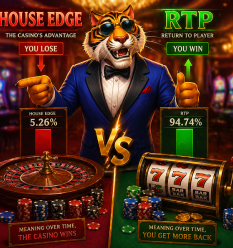
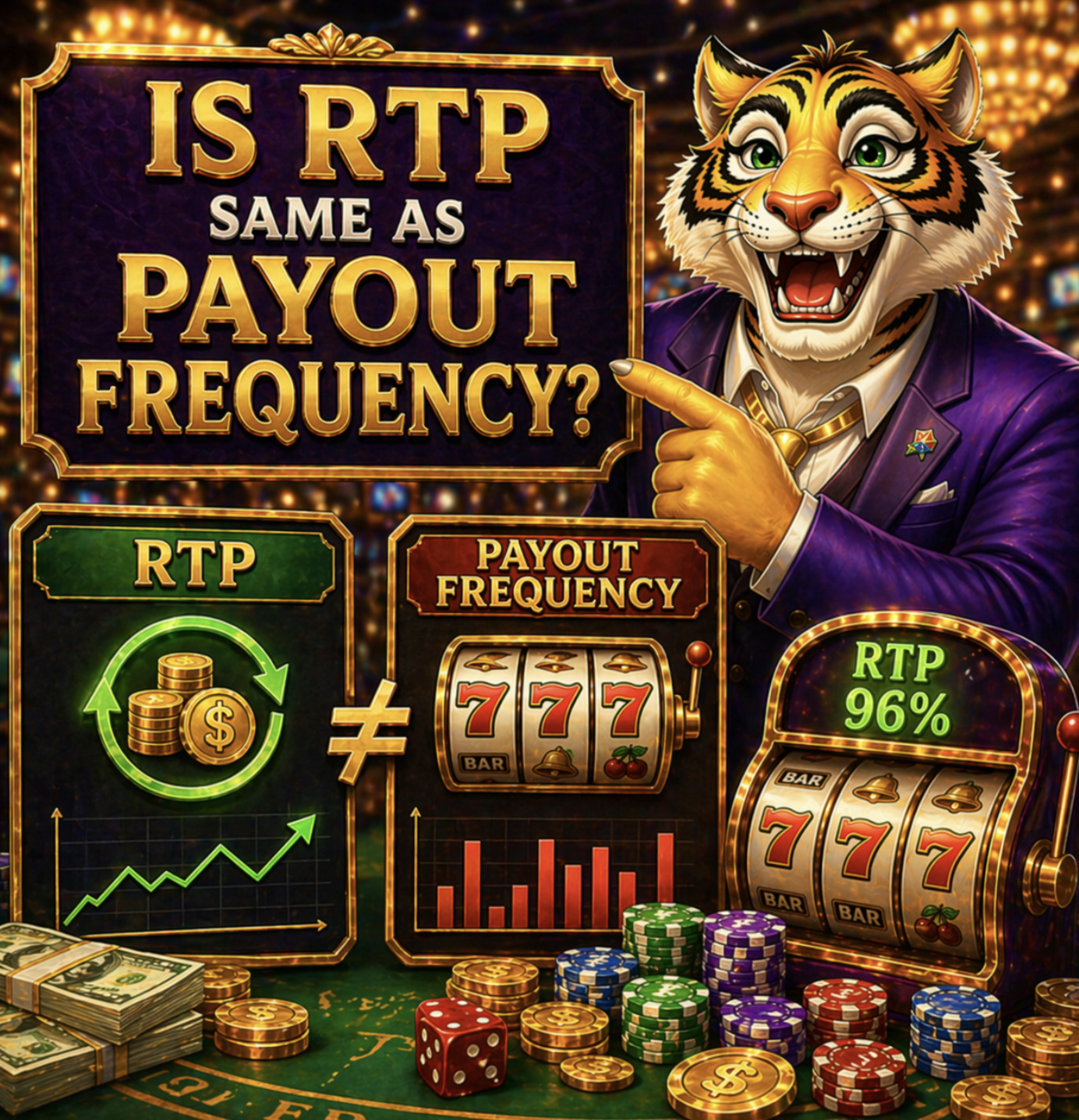
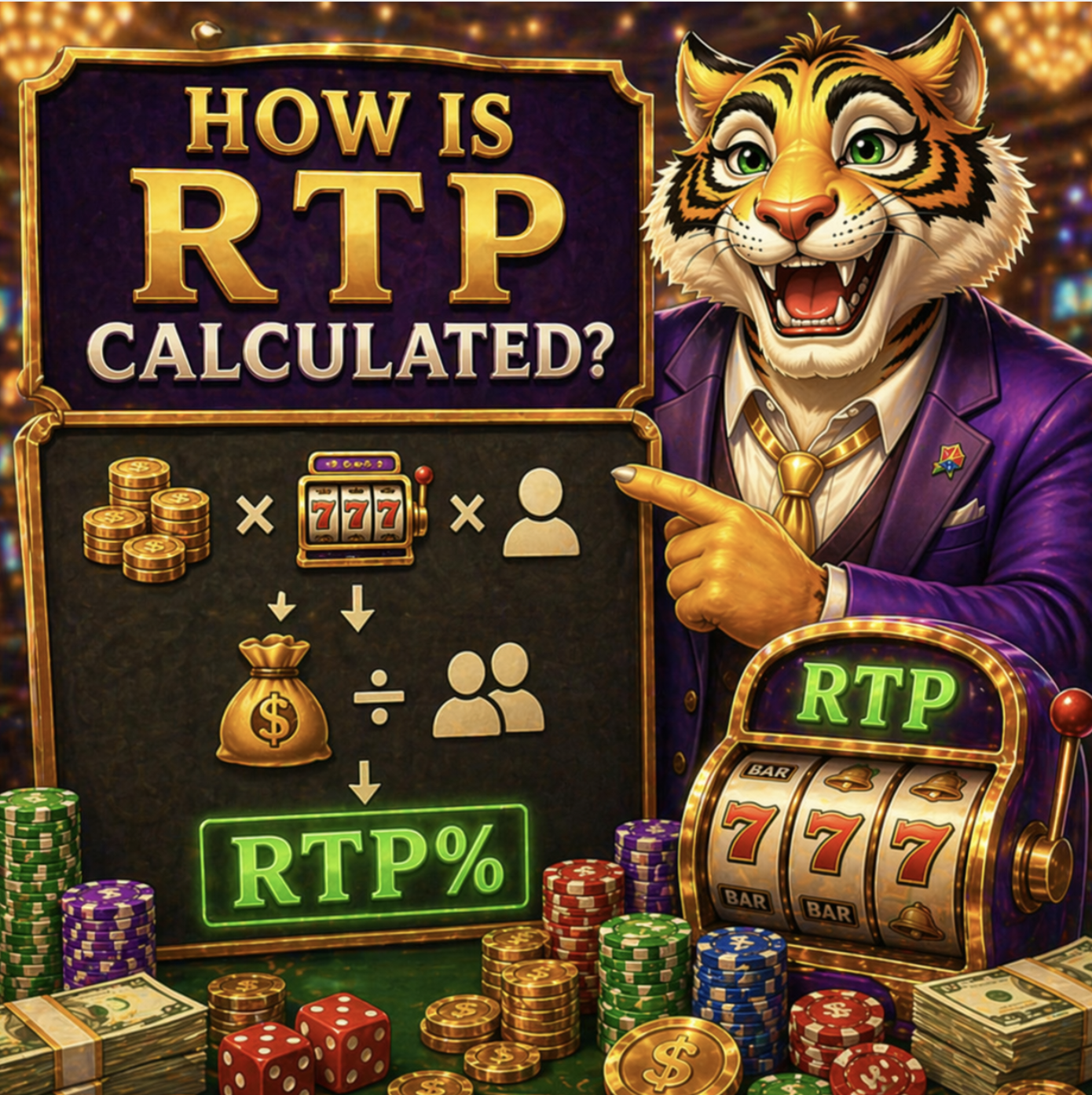
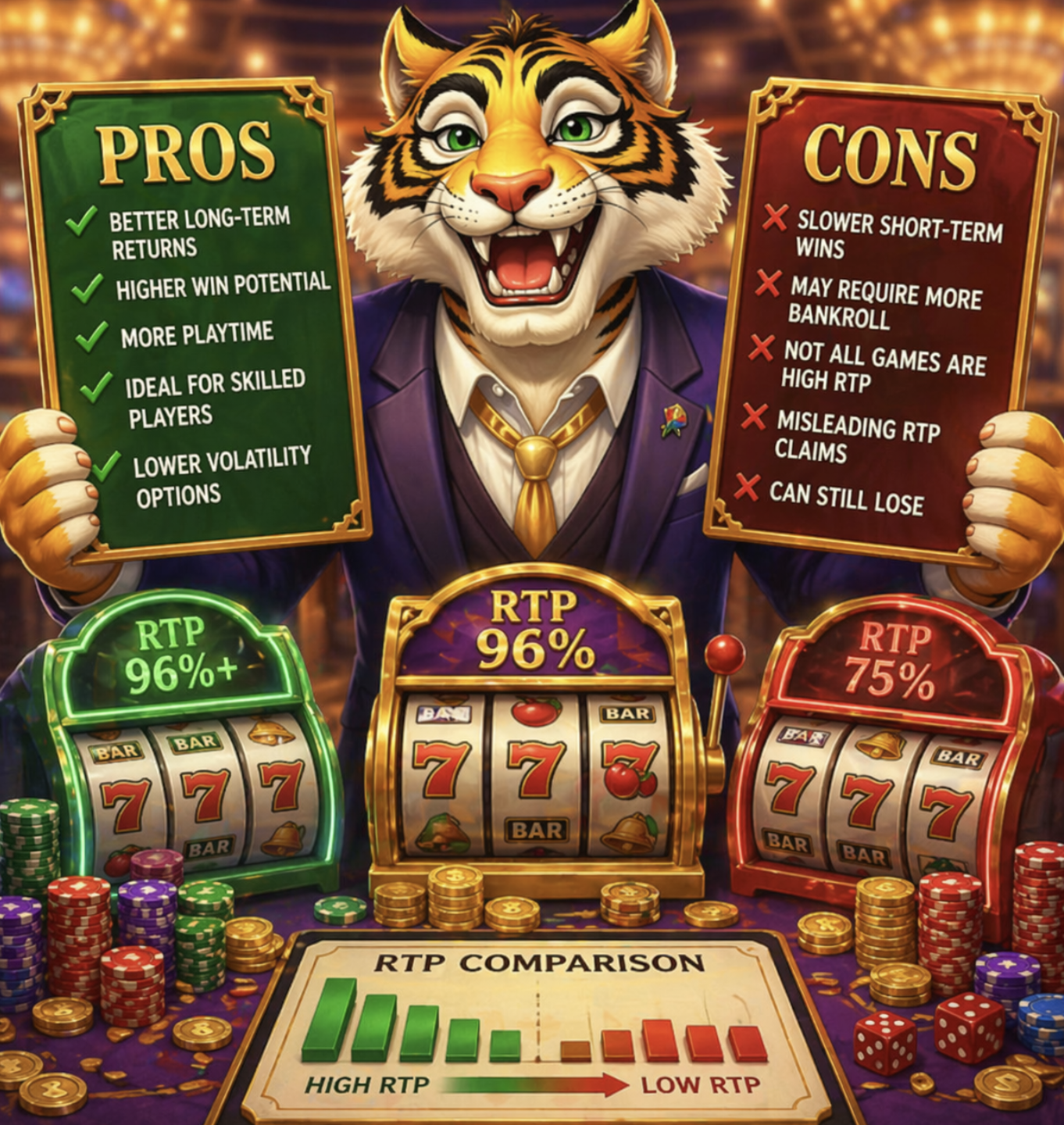
Here is the core formula: RTP + House Edge = 100%. If a slot pays back 96% to players over millions of spins, the remaining 4% goes to the casino. Neither number exists alone. This percentage calculation is the foundation of everything else in this guide, and knowing one value instantly gives you the other.
Did you know:
RTP and house edge total 100%: a 96% RTP game means a 4% house edge over the long run.
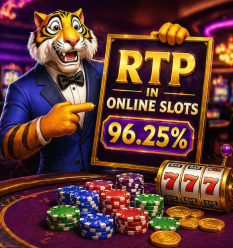
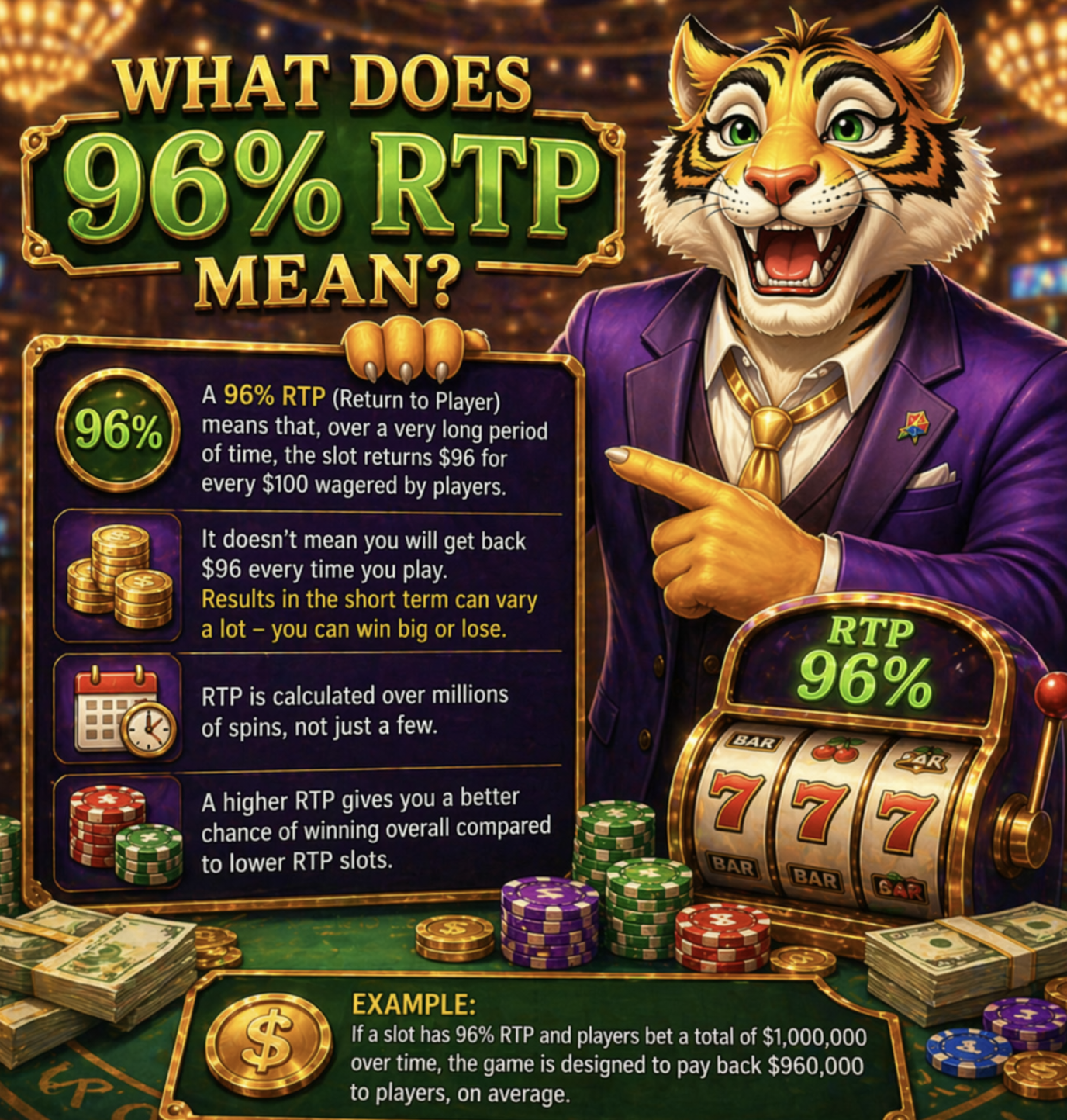
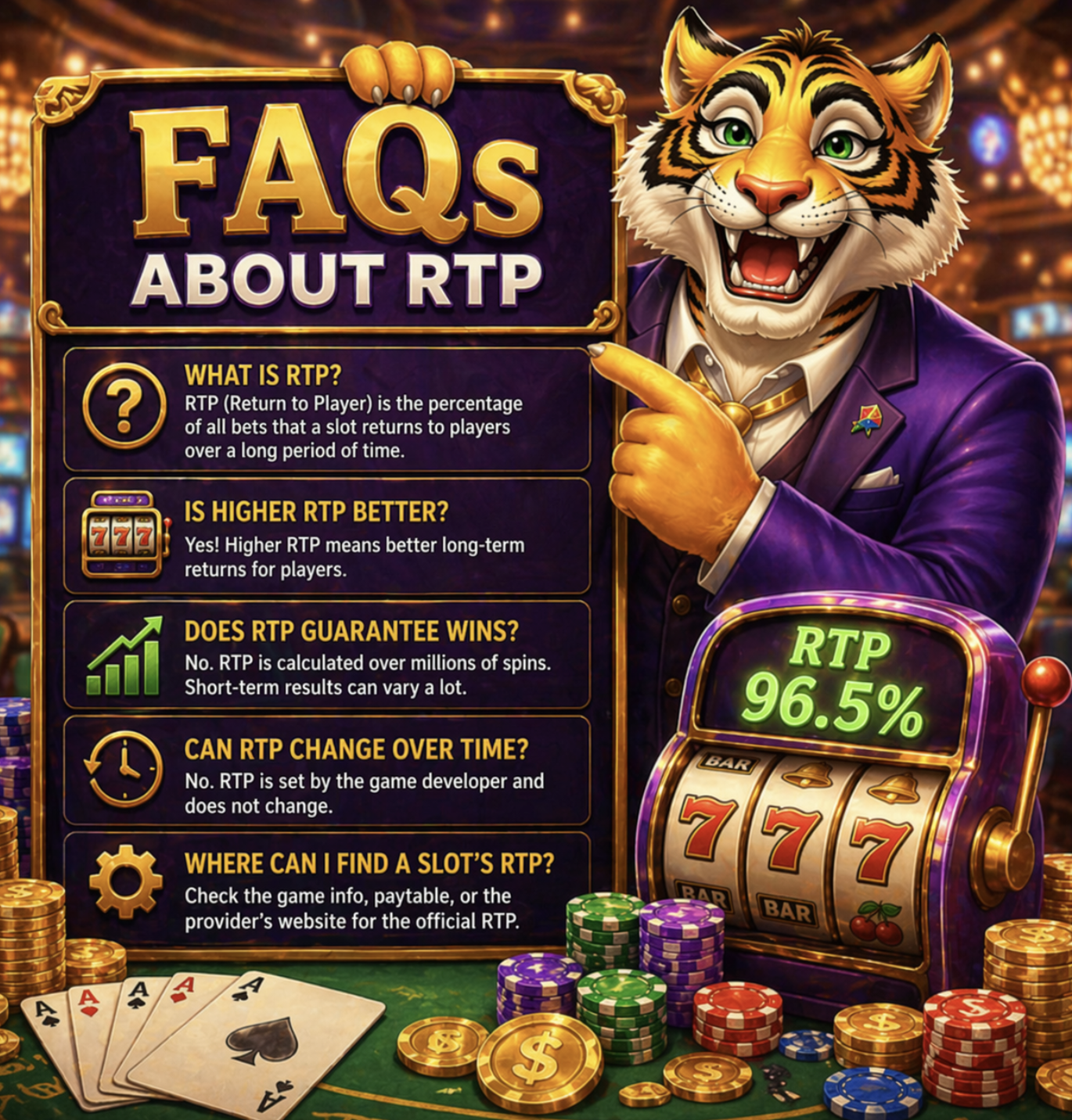
RTP is expressed as a percentage and tells you how much of all wagered money a game returns to players over an enormous number of rounds. A slot with 96% RTP will deliver a theoretical return of $96 for every $100 wagered across millions of sessions combined, not in a single night.
The phrase "long run" in casino math means tens of millions of rounds, not your Friday night session. In a short session outcome, variance dominates completely. You could double your money or lose everything, and both results are perfectly consistent with a 96% RTP game. The percentage only stabilizes when the sample size grows enormous, which is why what is House Edge vs RTP matters so much for setting realistic expectations before you deposit.
Attention:
RTP is measured over millions of spins, so short-term results can vary widely from the stated percentage.
Game developers in 2026 run hundreds of millions of simulated spins using certified random number generators before a title goes live. Third-party labs like eCOGRA and iTech Labs audit the results and issue certificates that licensed casinos must display. This process is what separates a fair game from a rigged one.
The House Edge is the flip side of RTP and represents the percentage of every wagered dollar that the casino retains as revenue over time. It is not a fee charged per hand; it is a mathematical advantage embedded in the game's pay structure.
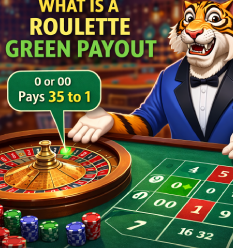
The gap between true odds and payout odds is where the House Edge lives. In European roulette, the true odds of hitting a single number are 1 in 37, but the casino pays 35 to 1. That two-unit gap, spread across all bets, creates the 2.7% House Edge. The House Edge vs return to player dynamic plays out the same way in every game, whether it is blackjack, slots, or video poker.
A practical way to think about the House Edge is as an entertainment fee. If you play $10 per spin and the House Edge is 4%, you are paying roughly $0.40 per spin for the experience. Over a two-hour session of 400 spins, the expected player losses land around $160 in theory, though actual results scatter widely because of variance.
Not all games are built equal. The difference between House Edge and RTP varies dramatically across game types, and knowing this before you deposit is one of the simplest advantages a player can have. The table below shows average figures for US players in 2026.
|
🎮 Game type |
📊 Average RTP |
🏦 Average House Edge |
🧠 Mathematical advantage |
|
🃏 Blackjack (basic strategy) |
99.5% |
0.5% |
Very low |
|
🎰 Video poker (optimal play) |
99.0% |
1.0% |
Very low |
|
🎲 Baccarat (banker bet) |
98.9% |
1.06% |
Low |
|
🟢 European roulette |
97.3% |
2.7% |
Moderate |
|
🔴 American roulette |
94.7% |
5.26% |
High |
|
🎰 Online slots (avg) |
96.0% |
4.0% |
Moderate-high |
|
🎯 Keno |
75-85% |
15-25% |
Very high |
Strategy Tip:
Check the RTP info before playing, as even a 1% difference can add up to significant long-term losses.
Slots carry a higher House Edge for two reasons. First, they require no player skill, so the casino builds in a larger margin. Second, they fund progressive jackpots, bonus rounds, and free spin features, all of which cost money to deliver. The slot machine variance definition RTP House Edge relationship also explains why slots feel so different from table games even when RTP numbers look similar on paper.
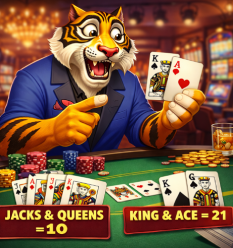
Blackjack is the clearest example of how player decisions affect real outcomes. A player using basic strategy reduces the House Edge from around 2% down to 0.5% or less. A player guessing randomly can push that figure above 4%. The game itself does not change; the player's choices shift how much of the built-in edge actually activates against their bankroll during long-term play.
How a number is presented changes how it feels, even when the math is identical. Casinos and game developers know this well, and understanding the framing effect makes you a sharper player.
Humans process gains and losses differently. "97% RTP" sounds like you are keeping almost everything. "3% House Edge" sounds like the casino is taking something from you. They describe the same fact in two different ways. The House Edge & RTP figures are just psychologically different packaging around a single mathematical reality, and being aware of this protects you from marketing language designed to make a game feel more generous than it is.
Licensed operators are now expected to display RTP certificates, testing lab results, and in many jurisdictions House Edge figures alongside promotional materials. The goal is game fairness: players should be able to make informed decisions before wagering real dollars. Always check the game's info tab or the casino's fairness page before playing an unfamiliar title.
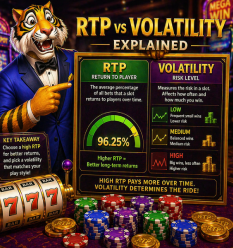
RTP and House Edge tell you about averages, but volatility tells you about the journey between those averages. Two games can share identical 96% RTP numbers and feel completely different during actual play because of how their wins are distributed across sessions.
Consider two slots: Slot A pays small amounts on 40% of spins. Slot B pays nothing on 90% of spins but occasionally drops a 500x multiplier. Both carry 96% RTP. The House Edge & RTP picture only becomes complete when you factor in how often wins land and how large they tend to be.
At Lucky Tiger, matching your volatility tolerance to your budget is a practical skill that separates experienced players from beginners. A low-volatility game with frequent small wins keeps your session going longer on the same buy-in. A high-volatility game can drain a $100 deposit fast before a big win lands, or it can triple your money in twenty spins.
💡If your session budget is under $50, stick to low or medium volatility games. Save high-volatility titles for sessions where you can absorb 50+ spins without a significant win.
Bonus insight:
High-volatility slots can drain your bankroll before big wins, so match volatility to your budget, not just RTP.

















































.png)














 slots.png)










.png)











.png)












.png)






























.png)