






Every player eventually asks the same question: is gambling luck or skill? The answer isn't universal — it shifts depending on the game in front of you. Some outcomes are mathematically sealed the moment you click spin, while others unfold through a sequence of human choices. This guide cuts through the noise and maps exactly where randomness ends and strategy begins.
Casino games don't belong to a single category — they sit across a wide range of player influence. Recognizing where your game falls on that spectrum is itself a strategic advantage.
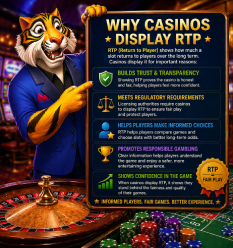
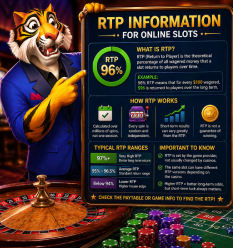
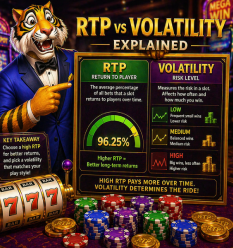
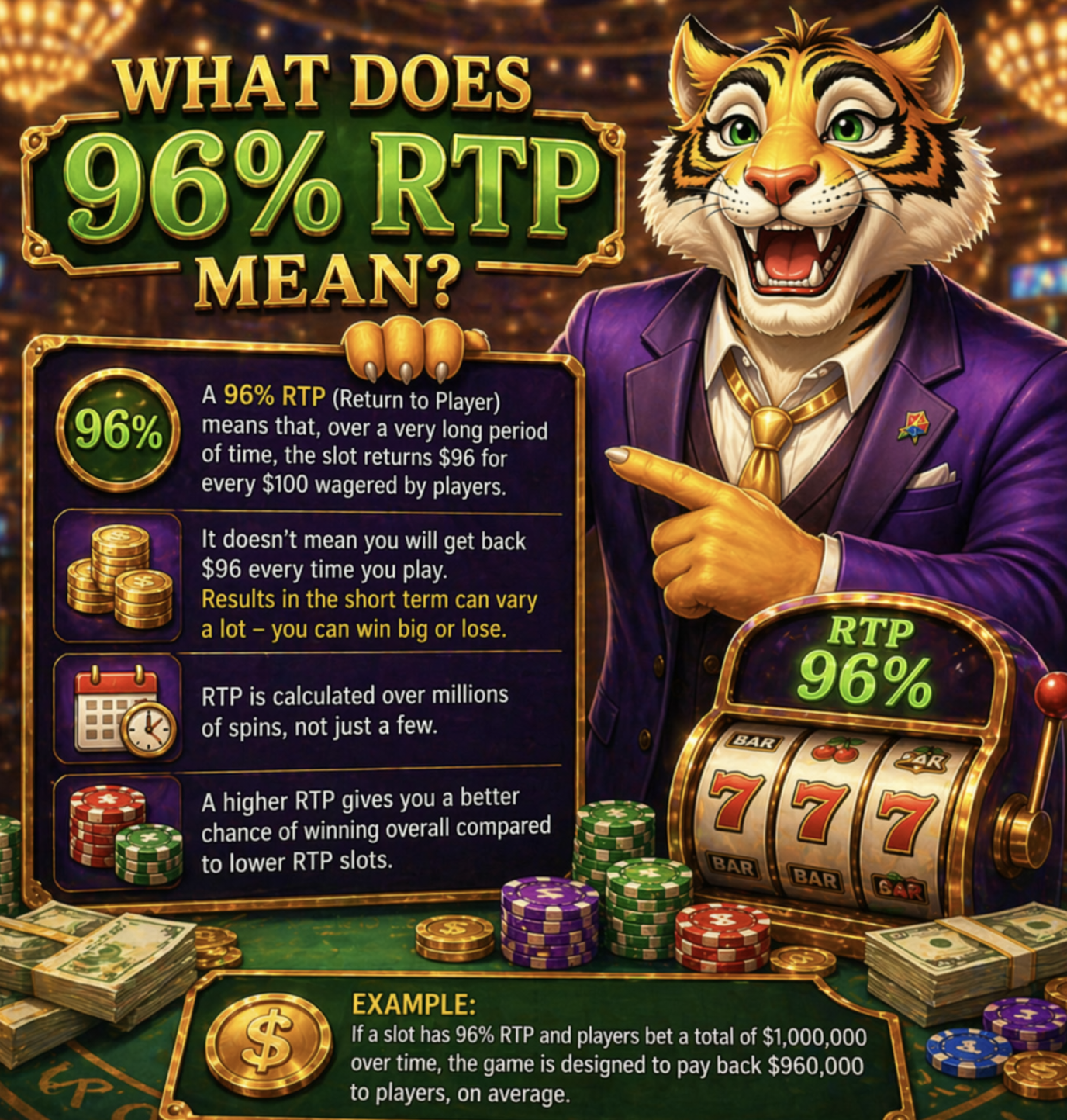
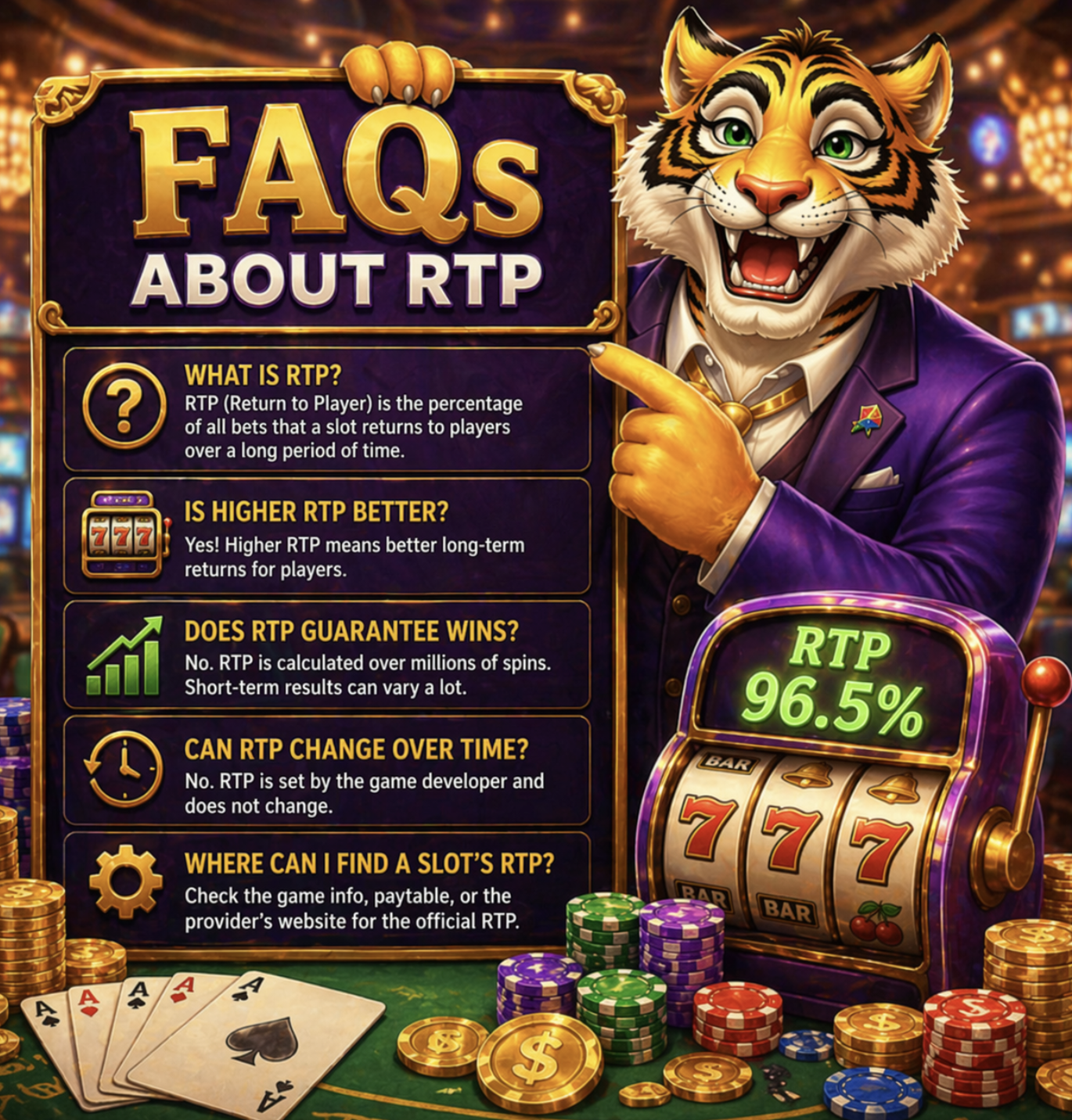
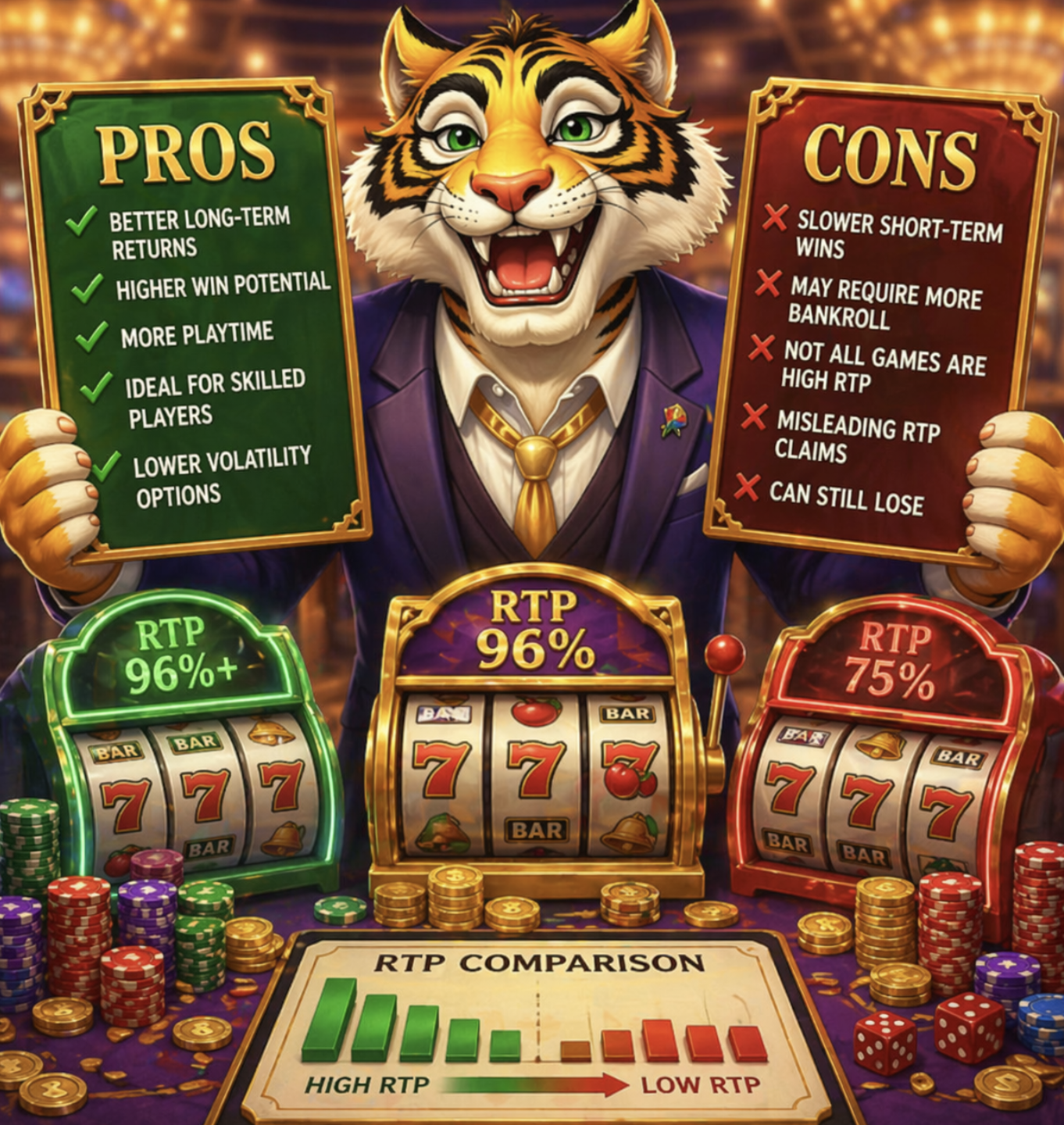
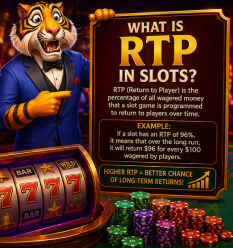
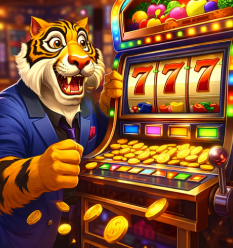
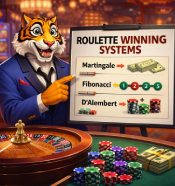
Slots, roulette, and keno produce outcomes through a random number generator — a certified algorithm that runs independently of any player input. No pattern exists, no streak carries meaning, and no betting system changes the underlying math. These games operate on variance alone, which means results swing unpredictably in the short term before converging toward the house's expected return over thousands of rounds. Your only real lever here is selecting a game with a favorable return to player (RTP) percentage before you start.
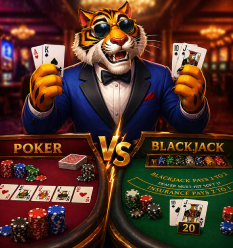
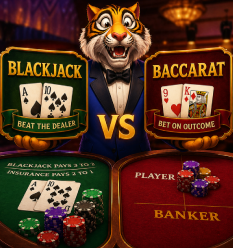
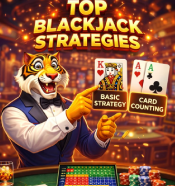
Blackjack and poker place the player's decisions at the center of every outcome. In blackjack, applying correct basic strategy compresses the house edge below 0.5% — a dramatic improvement over guesswork. Poker goes further: you're competing against other people, not the house, which means probability theory, opponent analysis, and bankroll management all contribute directly to long-term results. These games reward study, and the returns on that investment are measurable.
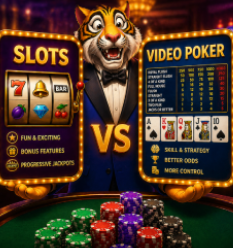
Video poker and sports betting occupy a middle ground where both factors carry weight simultaneously. In video poker, cards arrive randomly but your hold and discard choices determine the final hand value — making mathematical expectation a practical, session-by-session tool. Sports betting rewards research and statistical discipline, yet no model fully accounts for last-minute injuries or weather shifts. These hybrid formats offer the most interesting opportunities for players willing to combine data analysis with realistic expectations.
Randomness in gambling isn't unpredictable chaos — it follows precise statistical rules. Understanding those rules won't give you control, but it eliminates the costly mental errors that drain bankrolls faster than the house edge does.
Every licensed digital casino game in the US market runs on a random number generator audited by independent labs such as eCOGRA or iTech Labs. This system generates thousands of independent outcomes per second, with no connection between one result and the next. The RNG makes prediction structurally impossible — which is exactly what fair-play certification requires.
🎰 "Hot" and "cold" machines are a myth; the algorithm carries no memory between spins.
A $500 session win reflects variance, not strategy. Over thousands of rounds, mathematical expectation reasserts itself and the house edge reclaims its statistical share. Short-term results are noisy data — they feel meaningful but carry no predictive value for future sessions. The players who misread a lucky run as evidence of a working system are the ones who give those winnings back quickly.
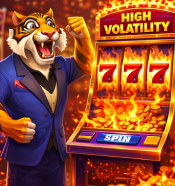
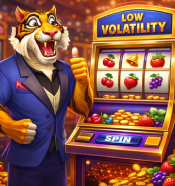
Variance measures how far is gambling luck or skill results deviate from the expected average during any given session. High-variance slots cluster payouts unpredictably; low-variance games distribute smaller returns more evenly. Neither behavior is influenced by prior outcomes — a fact that directly contradicts the gambler's fallacy. The fallacy argues that a long losing streak makes a win "overdue," but probability theory is clear: every event is statistically independent of the one before it.
Skill in gambling doesn't always translate to winning — but it consistently means losing less, lasting longer, and occasionally finding a genuine mathematical edge. That distinction matters enormously over a real playing career.
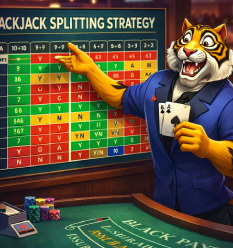
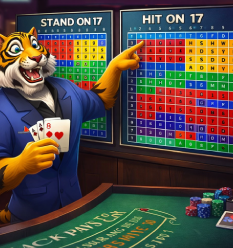
Players who internalize the odds behind each decision gain a concrete, measurable advantage in skill-based formats. Blackjack basic strategy is a set of mathematically optimal choices for every possible hand combination — learning it takes one afternoon and immediately reduces the house's margin. Poker has evolved further through game theory optimal frameworks that make a player's decisions statistically unexploitable across large samples.
💡 You don't need advanced mathematics — you need the discipline to apply simple charts consistently.
The is gambling luck or skill debate reaches its sharpest point at the poker table, where cognitive biases in opponents become exploitable patterns. Skilled players read bet sizing, timing, and behavioral tells to extract information unavailable in any other casino game. A precise bluff executed against the right player at the right moment is pure strategic decision-making, not chance. The flip side is tilt — emotional play after a bad beat — which is one of the most destructive skill leaks at any level.
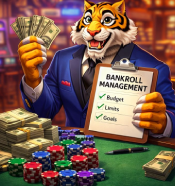
Bankroll management determines whether a technically sound player survives variance swings long enough for skill to express itself. Without it, even a strong player goes broke during a statistical downswing that basic probability predicts will occur regularly. The principle is direct: risk only a small fixed percentage of your total bankroll per session, never chase losses, and set hard stop-loss limits before sitting down.
Different games offer vastly different levels of player influence, and matching your expectations to the actual mechanics prevents a lot of frustration. The table below maps the most common casino formats against the factors that actually determine results.
|
🎮 Game |
🎲 Primary factor |
📊 Strategy level |
📈 Long-term edge potential |
|
🎰 Slots |
Luck |
None |
❌ Negative |
|
🎡 Roulette |
Luck |
Minimal |
❌ Negative |
|
🃏 Blackjack |
Mixed |
High |
⚠️ Near-neutral with perfect play |
|
♠️ Poker (vs players) |
Mixed |
Very high |
✅ Positive for skilled players |
|
🎴 Video poker |
Mixed |
Medium |
⚠️ Near-neutral with optimal play |
|
⚽ Sports betting |
Mixed |
High |
✅ Possible with research |
|
🔢 Keno |
Luck |
None |
❌ Negative |
Every casino game is built with a structural margin favoring the operator. Skill can compress that margin significantly — but eliminating it entirely is only possible in a narrow set of formats.
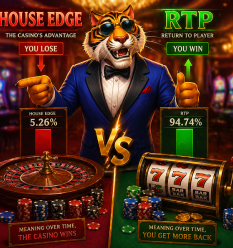
The house edge expresses how much of every wagered dollar the casino retains on average over time. A game carrying a 5% house edge returns $95 per $100 wagered across a long sample. This isn't arbitrary — it funds operations, compliance, and profit. Negative mathematical expectation is the baseline condition for every casino game except peer-vs-peer poker, and players who ignore this reality consistently overestimate their long-term position.
Perfect blackjack strategy narrows the house edge to approximately 0.3–0.5%, compared to 2–4% for an untrained player. That's a substantial improvement, but the game remains negative expectation — meaning skill slows the rate of loss rather than reversing it. For most US players, this is still a worthwhile goal: more hands per dollar, longer sessions, and significantly better value per hour of entertainment.
❌ Basic strategy doesn't produce long-term winners — it produces long-term survivors.
Poker is the primary exception to the negative expectation rule because the house takes a fixed rake rather than opposing the player directly. A consistently skilled player profits from weaker opponents over time — this is professional gambling terms for luck in its most legitimate and documented form. Edge reversal in poker requires genuine superiority over the player pool at your table, disciplined table selection, and volume sufficient for mathematical expectation to overcome short-term variance.
Is gambling skill or luck? At Lucky Tiger casino, the answer depends entirely on how you approach your session — and both orientations have their place.
High-volatility slots deliver the rawest form of gambling luck: rare, large payouts separated by extended quiet periods. They suit players with a fixed entertainment budget who want maximum excitement per dollar without any strategic overhead. Lucky Tiger carries a broad catalog of high-variance titles built for US players, each with published RTP figures so you can compare value before committing.
🎰 Approach these like a lottery ticket — set your budget, enjoy the ride, and don't expect a mathematical system to change the outcome.
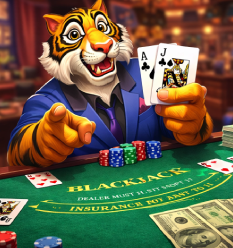
Live dealer blackjack at Lucky Tiger is where studied preparation pays off in real time. Every hand is a decision point governed by probability, and applying correct basic strategy across a full session measurably reduces the house's advantage. Bring a strategy reference, select a table limit that fits your bankroll management plan, and treat each decision as a mathematical problem rather than an instinct call. 💡 The live dealer format punishes impulsive play and rewards anyone who studied beforehand.
The most sustainable approach blends both modes across a monthly budget. Allocate a portion to high-RTP skill-adjacent games when you want to play seriously, and reserve a separate amount for entertainment-first formats when the goal is simply to enjoy the experience. Tracking results honestly over several months reveals your actual performance baseline — which is far more useful than any single session outcome. Lucky Tiger is designed to support both orientations without pressure.



















.png)


 slots.png)







.png)






.png)








.png)


















.png)