







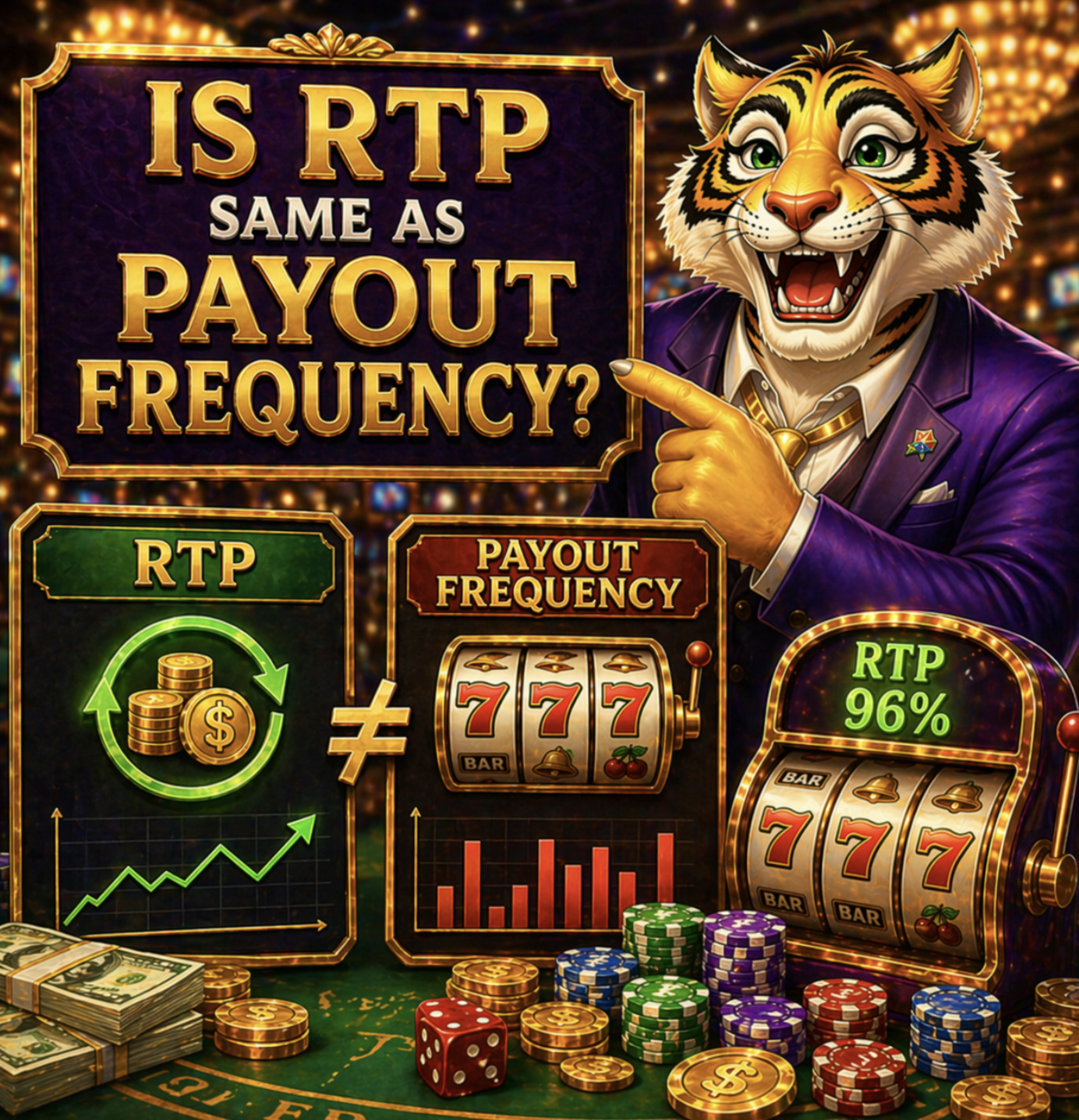
RTP (Return to Player) and payout frequency are related but distinct concepts in slots. While RTP represents the long-term percentage of money returned to players, payout frequency explained to how often a game is likely to pay out a win. Understanding the difference between these two metrics is key to choosing the right slot for your playing style. While a high RTP suggests better long-term returns, a high payout frequency indicates more frequent, but potentially smaller, wins.
Strategy Tip:
Theoretical RTP is a long-run average from exhaustive simulations. Actual RTP fluctuates in short runs.
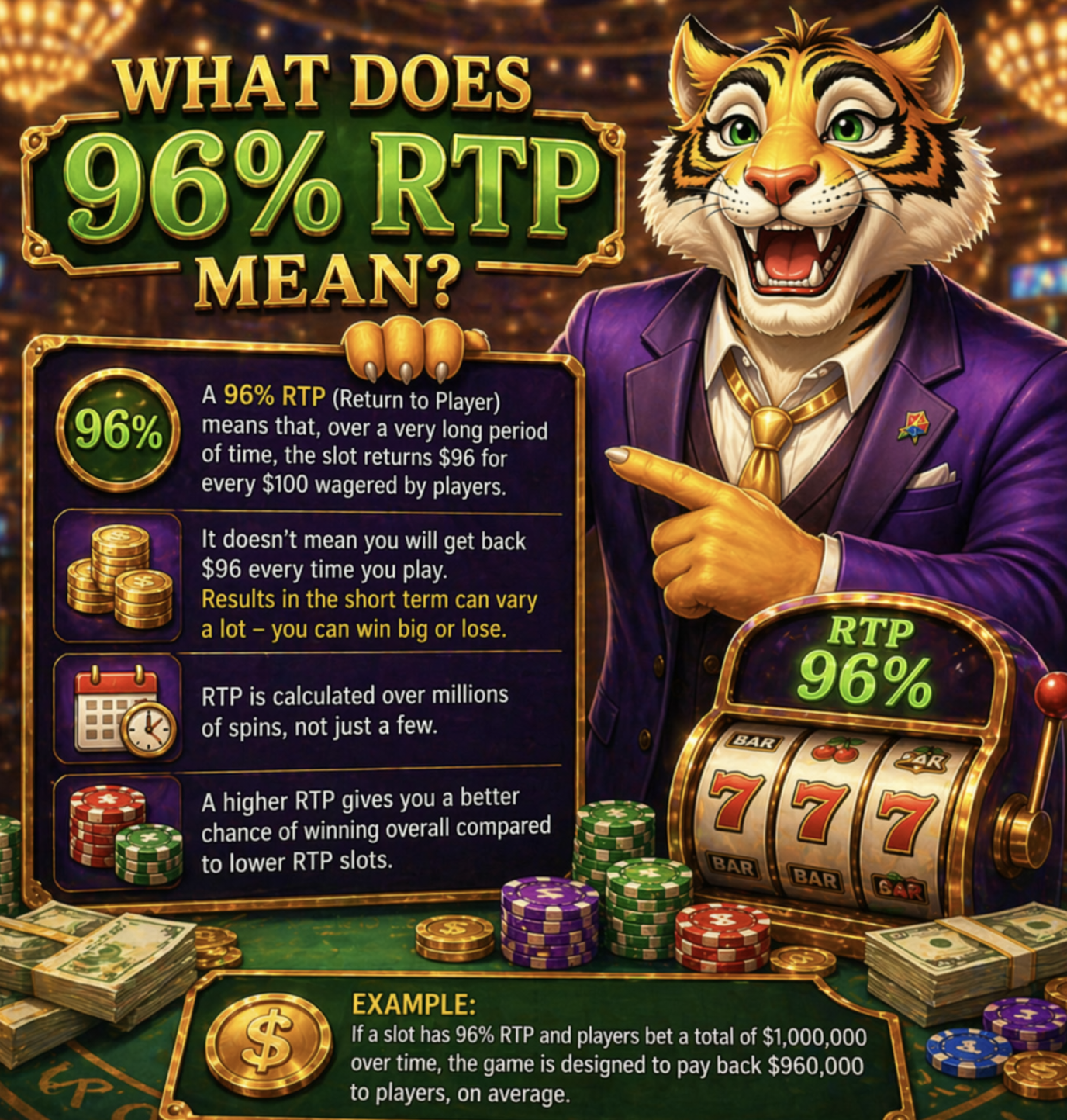
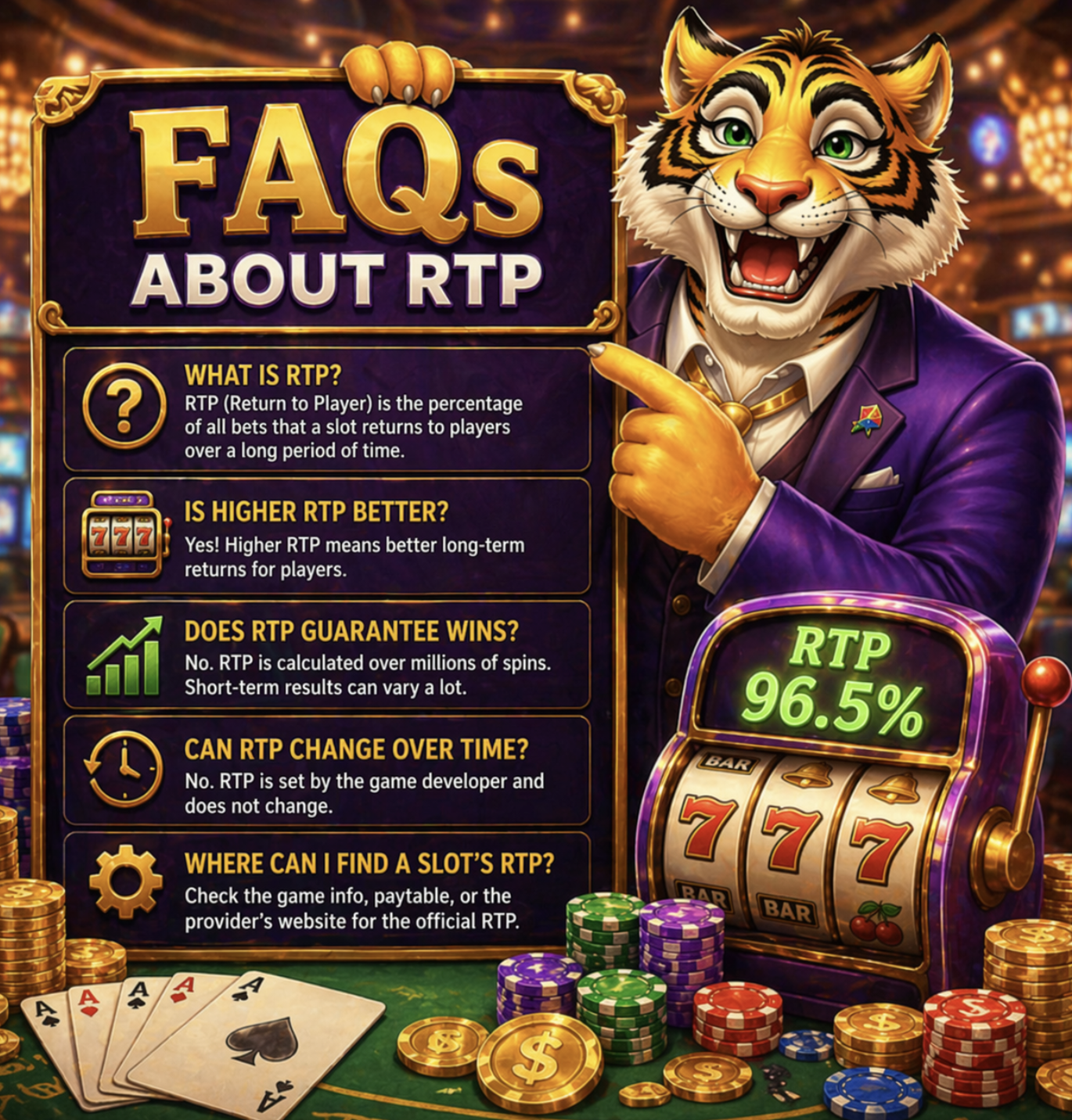
RTP is a long-run average showing what percentage of total wagers a slot is designed to return to players over a very large number of spins. If a game lists 96%, it means that across millions of spins the machine is expected to give back 96% of all stakes as prizes. It does not describe how your next ten spins will go, nor does it dictate how often small or big wins arrive.
At our casino, we present RTP so you can set expectations for extended play. Pair that with volatility notes and you'll get a fuller picture of session swings. Think of RTP as an anchor for the online casino economy, while the tempo of wins comes from hit rate and distribution. This is where payout frequency explained becomes essential: it focuses on how often you see wins, not how much the game returns in the very long run.
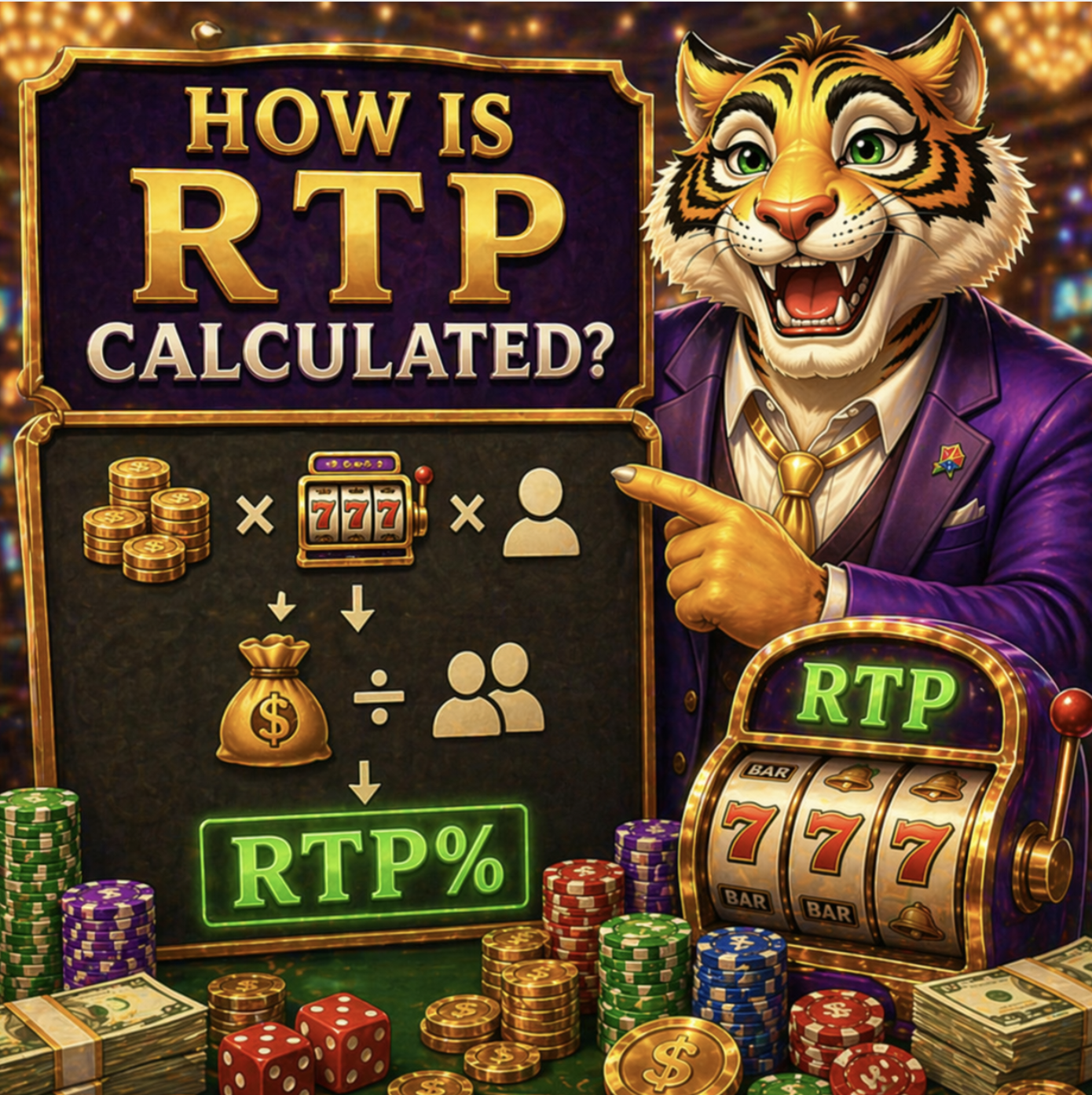
RTP is calculated from the complete paytable, reel strips, and feature rules. Developers simulate or compute enormous numbers of spins to confirm the expected average. Your personal session can land above or below that average because real outcomes come in streaks. RTP doesn't promise a steady drip of prizes; it describes the balance of the whole system.
In practice, players feel the difference when features cluster or when dead spins appear. A 96% title with high volatility might store a lot of its return in rarer bonus rounds. A 92% low-volatility title may sprinkle frequent small prizes. Neither contradicts the posted RTP. That's why hit rate vs average payout is a useful mental model: frequency tells you "how often," average return tells you "how much" over time.
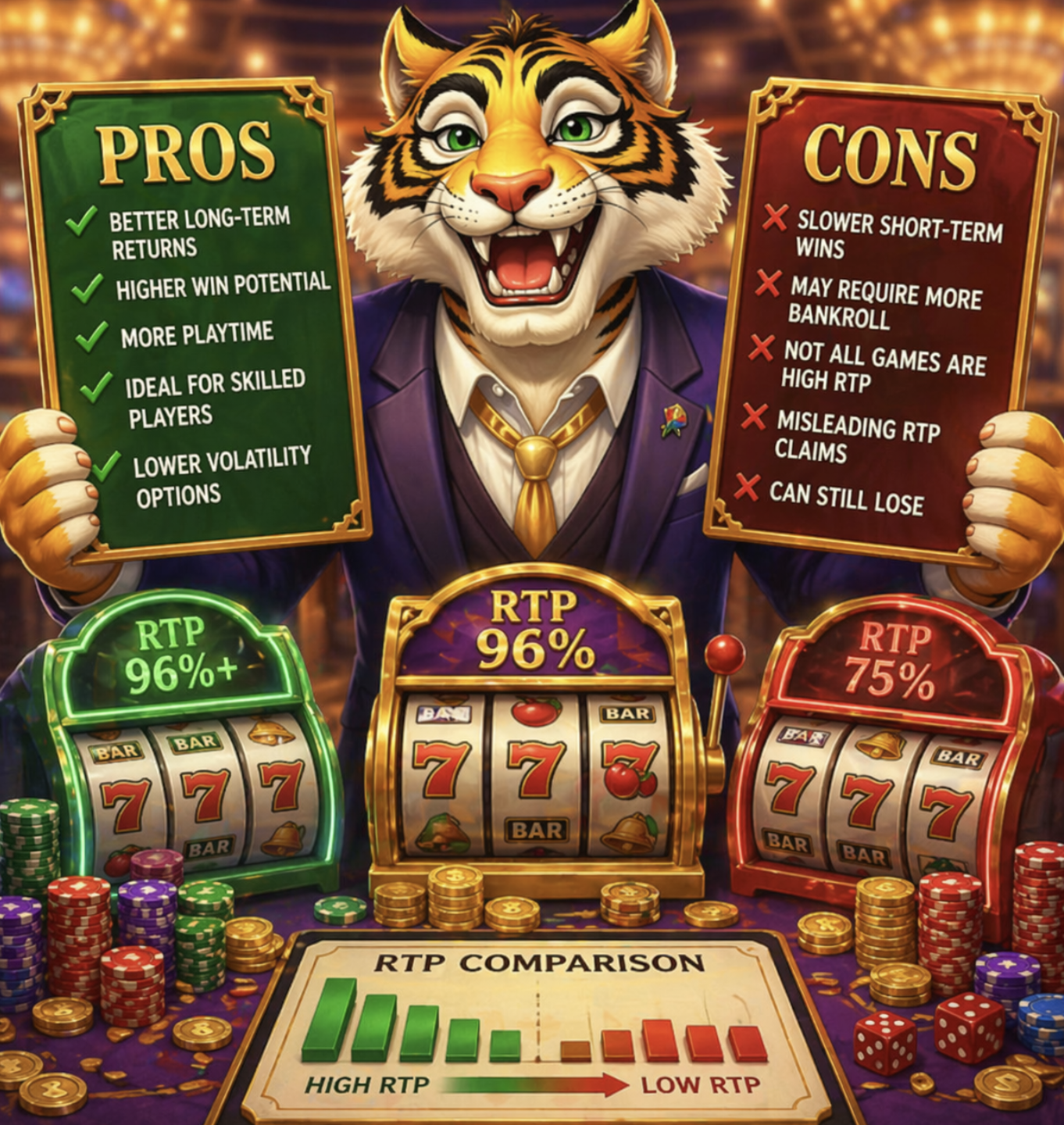
Pros and cons of focusing on RTP:
Pros:
Cons:
Payout frequency (often aligned with hit rate) answers a different question: "How many spins, on average, produce any win?" A game can hit often with tiny prizes or hit rarely with heavy-hitting features. Both can share the same RTP because the total returned value over the long run can be balanced either way. That's payout frequency explained in contrast to RTP's percentage.
To keep them straight during play:
Did you know:
RTP calculation formula is total winnings paid divided by total bets placed, multiplied by 100 percent.
Payout frequency focuses on how often a spin produces any prize, regardless of size. It's commonly expressed as a hit rate (for example, 30% means roughly 3 wins in 10 spins over the long run). Unlike RTP, which averages value returned, payout frequency describes the rhythm of slot spin results you feel during a session. In short, payout frequency explained tells you about cadence, not magnitude.
Payout frequency (hit rate) is the percentage of spins that return any positive outcome above zero. It does not measure average win size or long-term return; it simply counts winning spins. A 25% rate suggests that, in large samples, about one in four spins pays something - though the amounts can vary from tiny line hits to feature bursts. This is the foundation for win occurrence analysis: looking at how frequently successes appear and how they cluster.
Because outcomes arrive in streaks, short sessions may deviate from the stated rate. Ten to twenty spins is too small a sample to judge a game's true cadence; the math becomes clearer over hundreds of spins. That's why we encourage players to look at broader games payout patterns rather than moment-to-moment variance.
Quick takeaways:
Frequency depends on reel strips, paylines/ways, wild behavior, and feature triggers. A title with many low-paying lines may hit often but keep wins modest. A feature-heavy, high-volatility title can feel quiet, then explode with value when a bonus lands. Both paths can yield the same RTP over time; the journey just feels different.
To read the rhythm during play, watch:
Below is a simple guide to interpret hit rate in Play (illustrative only):
|
Hit Rate (Approx.) |
Session Feel per 100 Spins |
Volatility Tendencies |
|
18-22% |
Long quiet stretches with bigger spikes |
High |
|
25-32% |
Mixed flow: occasional runs of small wins, periodic features |
Medium |
|
35-45% |
Frequent small line hits, steadier balance, lighter features |
Low-Medium |
Bonus insight:
Actual RTP trends toward theoretical value as spin count grows, but individual sessions can deviate widely.
RTP and payout cadence point in different directions. One looks at the average portion of stakes returned over massive samples; the other looks at how often any spin produces a prize. Keeping them separate helps you read our game sheets, plan sessions, and choose titles that match your tempo and budget.
In our lobby, you'll see RTP as the long-run anchor and frequency (when provided) as the session feel. Together with volatility notes, these metrics explain why two games with identical RTP can feel completely different during play.
Average return is a percentage - 96% or 97% - computed from the full paytable and feature math. It answers "how much is returned on average over time." Win frequency is a rate - say 28% - stating how many spins produce any positive outcome. These are different axes: value vs. cadence.
A practical way to frame it is hit rate vs average payout. Hit rate tells you how often the reels complete a paying combination, while average payout concerns the size of wins and features across long samples. Two titles can share 96% RTP: one distributes that value through many small line hits; the other stores it in rarer, larger features.
High RTP can live inside quiet reels. That's because return can be concentrated in features - free spins, multipliers, or jackpots - that occur less often but pay more when they do. Between those events, stretches of non-paying spins are normal.
Think about session texture:
In short, RTP is a compass for value, while frequency is a metronome for pace. Read both to align your expectations with how a title actually plays in our casino.
Attention:
Theoretical RTP changes only with a new certified build or profile. Core math does not change daily.
It's easy to blur the line between a slot's long-run return and the rhythm of wins you feel in a single session. From the lobby view they look connected, yet in practice they answer different questions. In our casino guides we separate them on purpose, so you can pick titles that match both your value expectations and your preferred tempo.
Below we address two myths we hear most often at the help desk. Clearing these up will help you read game sheets with confidence and set session plans that fit your balance, time, and risk comfort.
A generous return percentage does not create a steady drip of hits. A game can post a high average while storing plenty of that value in features that occur less often but pay more when they arrive. Between those events, stretches of non-paying spins are normal, especially in high-volatility math.
A game that hits rarely isn't necessarily "tight." It may deliver the same long-run average as a chatty, low-volatility title, but pack returns into rarer, heavier events. Frequency describes how often you see any prize. RTP describes how much value the game returns across a very large sample. They can move independently.






























































.png)
















 slots.png)










.png)












.png)













.png)






































.png)