







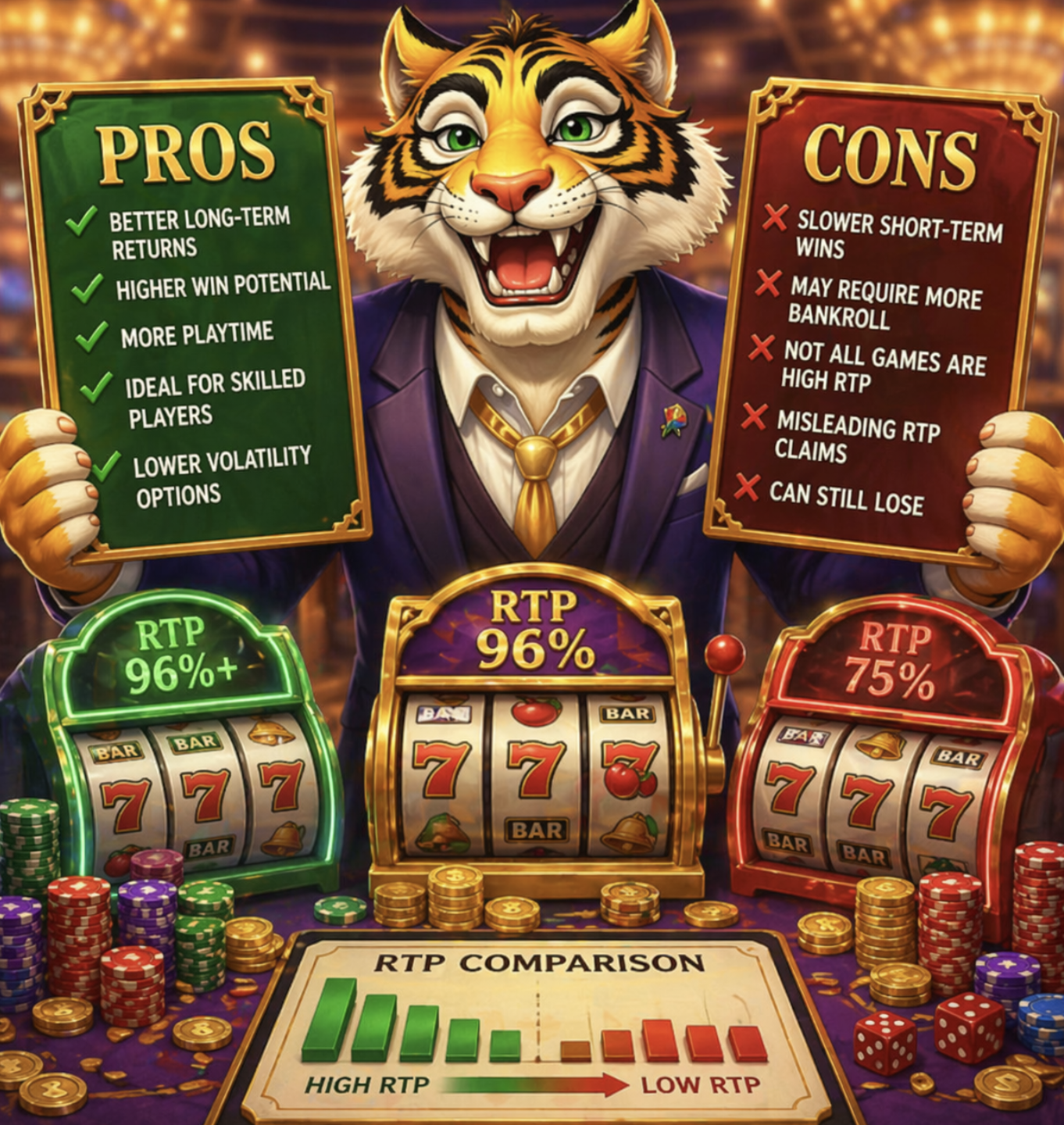
When choosing an online slot, understanding the difference between high RTP vs low RTP slots is crucial for tailoring your gaming experience. High RTP slots offer a better theoretical return to players over the long term, making them appealing for those seeking more consistent payouts. On the other hand, low RTP slots may have a higher house edge, but they can sometimes offer bigger, less frequent wins. Knowing the advantages and drawbacks of each can help you decide which type of slot aligns with your playing style and risk tolerance.
Strategy Tip:
Treat 96%+ as the high-RTP zone. Check the info panel to confirm the active percentage before spinning.
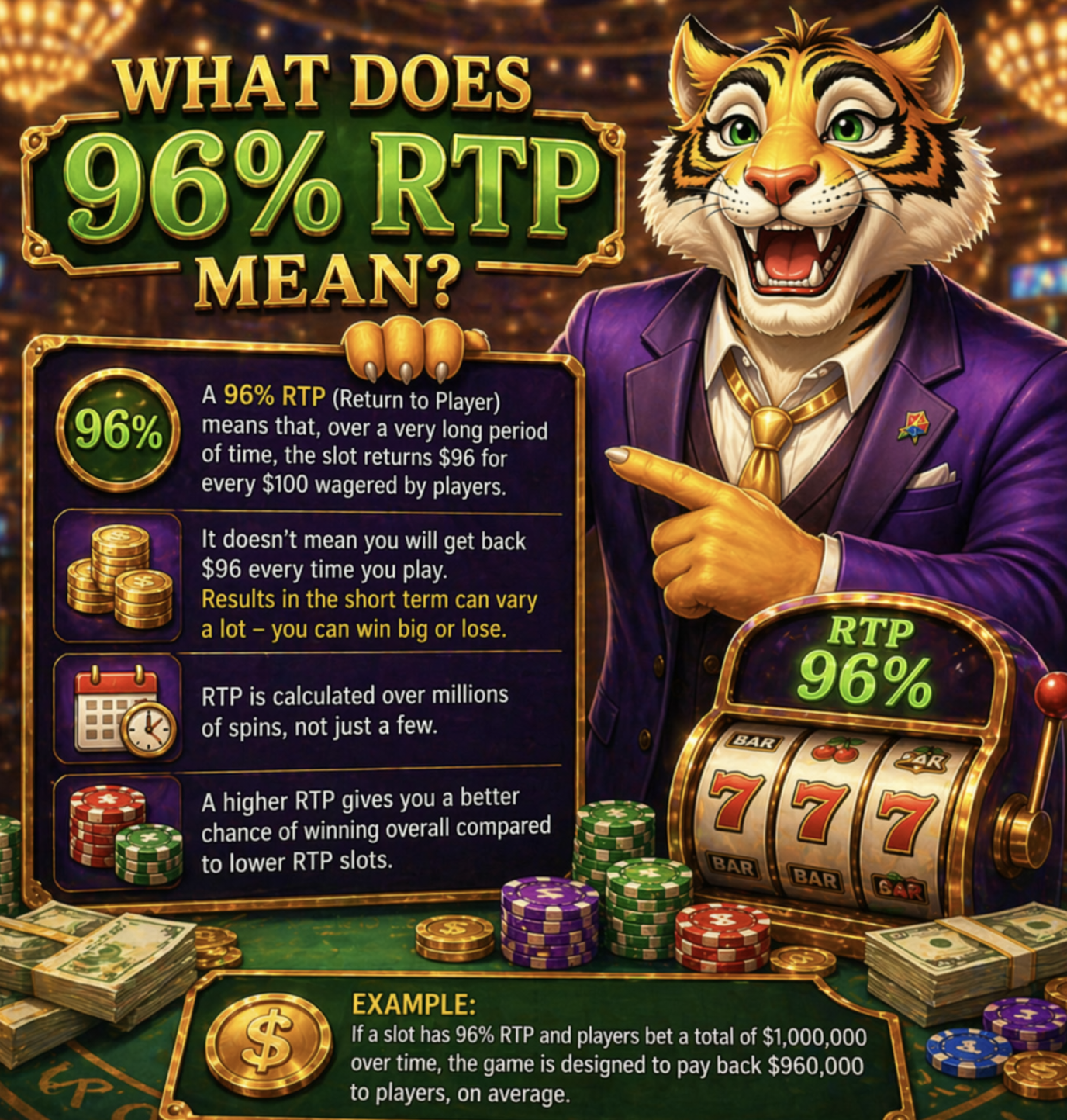
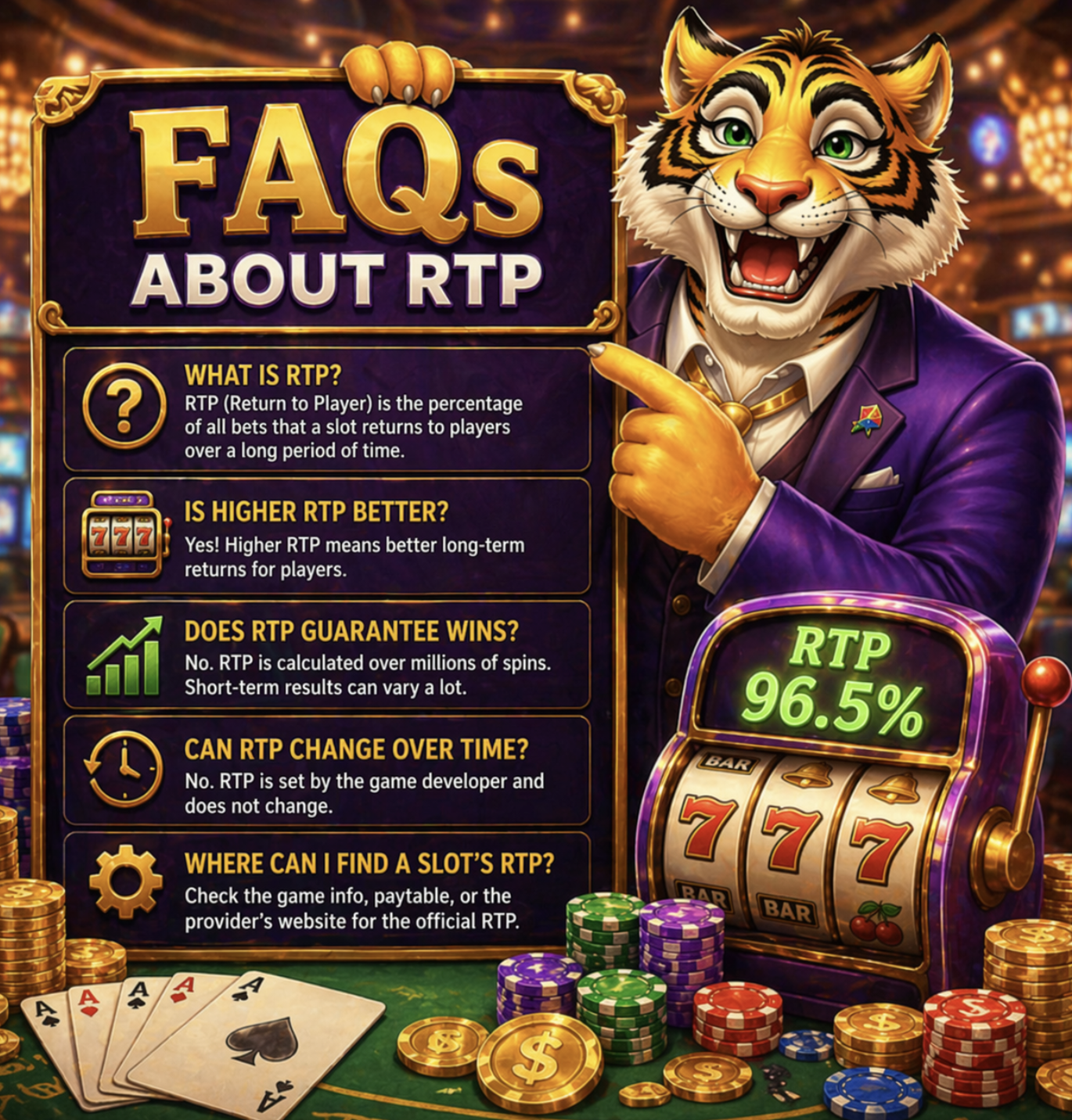
RTP (Return to Player) is the percentage of total wagers a slots is designed to pay back over a very large number of spins. It does not predict tonight's outcome; instead, it frames the game's long-run behavior. In our lobby, we display RTP so you can judge value quickly and match each title to your preferred rhythm of wins and features.
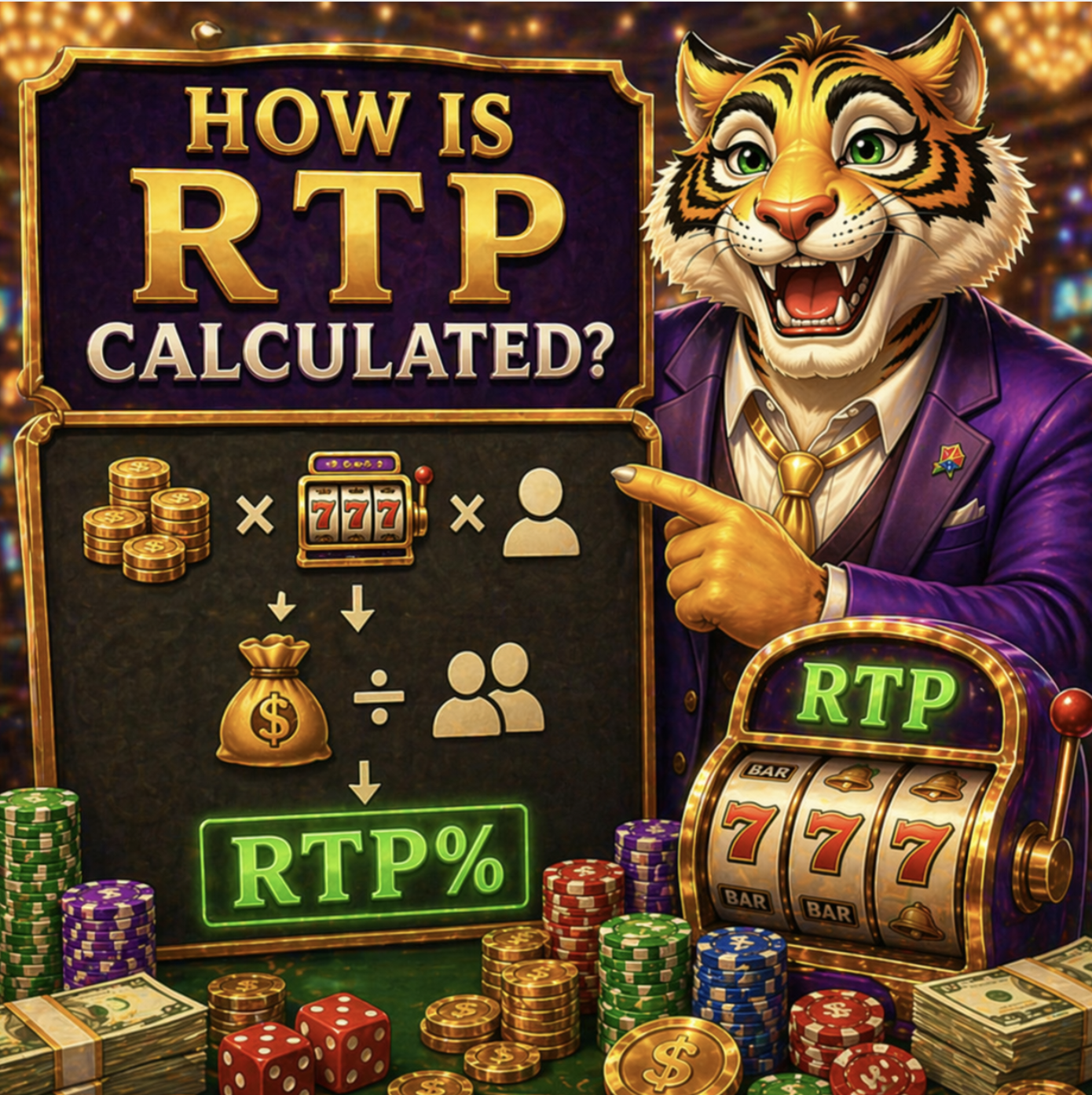
Return to Player comes from the paytable and the probability of each outcome. Designers multiply every possible prize by its chance of occurring, add those expected values together, and divide by the base bet to get a single percentage. Independent labs test the math and certify the result before release.
Quick example: If a $1 spin has many tiny outcomes plus a few rare big prizes, the weighted average of all those possibilities might total $0.96 per spin in the long run - an Return to Player of 96%. Variance still swings short sessions up or down; the percentage describes the long arc, not a single streak. This section is part of our ongoing slot return analysis to make complex math simple.
Most modern video slots cluster between 94% and 97%, with some progressive or feature-heavy titles dipping below 94% and a few math-driven designs reaching 98%-99%. Across large samples, that spread translates to different long-term costs of play, even when two games feel similar in theme. When you evaluate high RTP vs low RTP slots, think of that gap as the baseline cost difference that compounds over months of spinning.
To make choices easier, each game page in our lobby displays the active percentage and a short note on variance. Use those two lines to start a slot volatility comparison: the RTP number frames expected value, while the volatility note previews the rhythm of frequent vs rare wins (we'll explore that balance later in the guide).
Did you know:
Most modern video slots cluster between 94% and 97%, with some math-driven designs reaching 98%-99%.
High Return to Player games are built to return a larger share of wagers over time, and they're easy to spot once you know where to look. In our lobby, game cards and info panels show the active percentage, so your slot return comparison starts before the first spin. When people discuss high Return to Player vs low RTP slots, they're usually drawing the line around the mid-90s, where small percentage gaps add up over long sessions.
As a practical benchmark, we treat 96%+ as the high-RTP zone; some math-driven titles even reach 98%-99% in specific certified builds. Because a few releases ship with more than one approved profile (for example, 94% and 96%), we display the exact figure active for your region inside the "i" panel. Remember that game volatility vs Return to Player are separate levers: two games at 96% can feel totally different if one concentrates value in rare features while the other pays small prizes frequently.
How to confirm a high-RTP build
A higher Return to Player reduces the long-run cost of play, which compounds the more you spin. That doesn't guarantee a profit tonight, but over months of play it helps value-seekers stretch budgets and hit goals with fewer surprises. Players building a shortlist of the best slots for players often start by filtering for 96%+ and then fine-tune by volatility, hit rate, and feature style.
Pros
Cons
Rather than chase names that vary by version, focus on archetypes that commonly deliver strong returns and pick the flavor that fits your rhythm. The table below maps high-RTP patterns to typical slot risk levels and session feel.
|
High-RTP Archetype |
Typical RTP |
Usual Volatility |
Session Feel & Notes |
|
Classic line slots |
96%-97% |
Low-Medium |
Frequent small wins; great for learning pacing and budget control. |
|
Modern feature slots |
96%-97% |
Medium |
Balanced base game with recurring features; steady progress toward bonus rounds. |
|
Math-driven "lean edge" |
97%-99% |
Medium-High |
Strong long-term value; can swing more due to chunky feature contribution. |
|
Non-progressive jackpots |
96%+ (varies) |
Medium-High |
Occasional big spikes without the dilution of networked progressive pools. |
Quick path to find them
Used together, these steps keep the high RTP vs low RTP slots decision grounded in numbers and feel - not just theme art.
Low RTP games return a smaller share of wagers over time, which raises the long-run cost of play and changes the feel of each session. We label these clearly on the game card and in the info panel so your return comparison is quick and transparent. When evaluating high RTP vs low RTP slots, think of low Return to Player as a deliberate trade: more spectacle or bigger peak prizes in exchange for leaner average value.
As a rule of thumb, titles under 95% fall into the low-Return to Player bucket. They often push a larger portion of value into rare features or licensed presentation, so the base game may feel drier between highlights. This doesn't make them "bad," but it does mean the bankroll curve is steeper than on low vs high payout slots with similar themes.
In practice, this zone can still suit players who enjoy longer build-ups and dramatic bonuses. Use the posted percentage plus a slot volatility comparison note to decide if the pacing matches your plan for the session.
Studios design certain titles with lower returns for clear reasons, and we include them to round out the catalog and satisfy different tastes.
These factors change slot risk levels and session rhythm, which is why we surface both RTP and volatility before you spin.
Rather than chase a single name that may vary by region, look for archetypes commonly tuned under 95% and pick the flavor that matches your taste:
Bonus insight:
Game volatility and RTP are separate levers. Two 96% games can feel totally different to play.
Before you spin, it helps to see how return, variance, and pacing come together in practice. This section gives a practical game return comparison so you can predict session feel, not just read a percentage on a card. You'll find the slot odds explained in plain language, focusing on what affects budget curves and confidence over time.
Return to Player frames how much value a game gives back in the long run, while volatility describes how that value is packaged into wins of different sizes. Two titles can share 96% yet feel opposite because one pays small amounts often and the other hides more value inside rare features - this tension is the essence of slot volatility vs RTP online casino.
Quick checklist
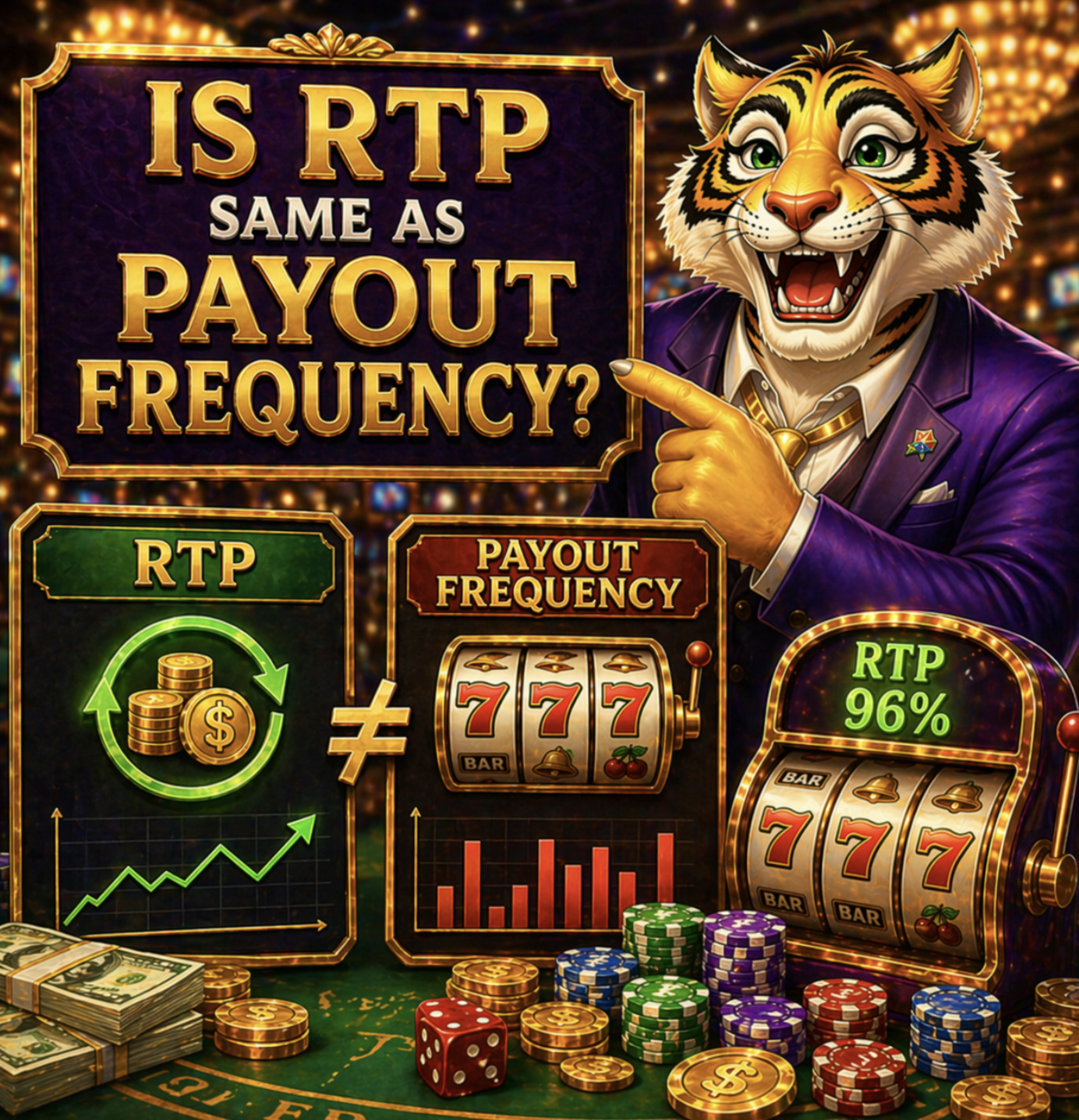
Hit rate (how often any prize lands) is a pacing stat; Return to Player (how much value returns) is a value stat. A game can hit frequently yet still post a modest return, or hit rarely and allocate more of its return to chunky features - both can sit at the same percentage.
How to read a game card in 3 steps
Return to Player drives long-run outcomes across thousands of spins; short sessions are governed by variance. The table below converts that idea into practical expectations you can use when planning play windows and budgets.
|
Focus area |
Higher RTP title (e.g., 96%-97%) |
Lower RTP title (e.g., 92%-94%) |
|
Long-term value |
Better expected value per spin over time |
Leaner value; cost of play compounds faster |
|
Session swing feel |
Depends on volatility; often steadier base game |
Often swingier or drier base in exchange for peaks |
|
Budget planning |
Stretches budgets for mission-style goals |
Needs firmer limits and patience between highlights |
|
Feature impact |
Bonuses help, but base game carries more weight |
More value concentrated in rare features/jackpots |
|
Player fit |
Value seekers and learners |
Thrill seekers chasing cinematic moments |
Used this way, RTP becomes a foundation, while volatility and hit rate decide the "texture" of your run - together they reveal slot risk levels beyond the headline percentage.
Attention:
High RTP can still come with high variance and long dry spells. Patience and budget matter.
Picking between high RTP vs low RTP slots comes down to pace, budget, and what feels rewarding in a short session. As a casino, we surface the numbers so the choice is simple: use the percentage for value, then read variance notes for rhythm.
When to Play High RTP Slots
Choose high-RTP titles when you want steadier long-term value and a clearer baseline for budgeting. This path suits players who enjoy progress-style goals (missions, daily wins) and want the math on their side while still leaving room for surprise features.
Quick routine
Lower-RTP designs can deliver cinematic moments and huge peaks, especially in jackpot ecosystems or feature-dense builds. They shine when you're chasing spectacle, story, or a dramatic bonus ladder - even if the base game is leaner between highlights.
In short, low-Return to Player games trade day-to-day value for fireworks. If that trade matches your mood, they can still be the best games Play for players who prioritize excitement over steady returns.
The sweet spot is a deliberate mix guided by numbers and feel. Do a quick game return comparison first, then let rhythm decide.
Three-step framework
































































.png)
















 slots.png)










.png)












.png)













.png)







































.png)