







Walk into any casino and you'll hear countless theories about beating slot machines. Players swap stories about "hot" machines, lucky times to play, and secret strategies that supposedly guarantee wins. This evidence-based guide tackles the most persistent slot machine myths head-on, explaining what truly influences your winning chances at platforms like luckytigercasino.com. We'll separate fact from fiction using science and statistics that every American player should understand. 🎰
Every modern slot machine runs on Random Number Generator technology that produces thousands of random numbers every second. Understanding RNG destroys most slot machine myths and facts that players believe. The RNG doesn't care about your betting patterns, the time of day, or whether the machine just paid out—it simply generates random sequences continuously.
Here's the slot machine myths mathematical reality that destroys the "due to hit" fallacy: every single spin exists in isolation. The RNG generates a fresh random number with zero connection to previous results. The due-payout belief costs players money because they chase machines that "owe" them wins—statistically, those machines owe nothing. 💡
The button timing fallacy suggests pressing spin at specific moments improves results. The RNG cycles through numbers so quickly—thousands per second—that human reaction time cannot possibly influence outcomes. No timing strategy or pattern can change this fundamental truth.
Legitimate casinos must prove their games are truly random through independent testing agencies that examine algorithms and certify slots meet strict fairness standards.
|
Agency name |
Testing focus |
Certification frequency |
Jurisdictions |
What they verify |
|
🔍 eCOGRA |
RNG + RTP |
Monthly audits |
UK, Malta, Gibraltar |
Payout percentages, randomness |
|
🧪 iTech Labs |
Game mathematics |
Per game + annual |
Australia, US states |
Algorithm fairness, RNG quality |
|
✅ GLI |
Complete systems |
Continuous + periodic |
480+ jurisdictions |
Full regulatory compliance |
|
📊 BMM Testlabs |
Technical standards |
Per submission |
North America focus |
Game integrity, security |
|
🎯 Gaming Associates |
Independent verification |
As required |
Multiple regions |
RTP accuracy, bonus fairness |
The temperature tracking concept—believing certain machines run "hot" or "cold"—ranks among the most stubborn slot machine myths. What players perceive as streaks are simply normal variance in random outcomes. Random means unpredictable, which naturally creates clusters that human pattern recognition interprets as meaningful cycles.
In any random distribution, outcomes group into patterns purely by chance. Your brain wants to find patterns because human survival once depended on recognizing danger signs. That evolutionary advantage creates hot-coin folklore around completely random gambling outcomes.
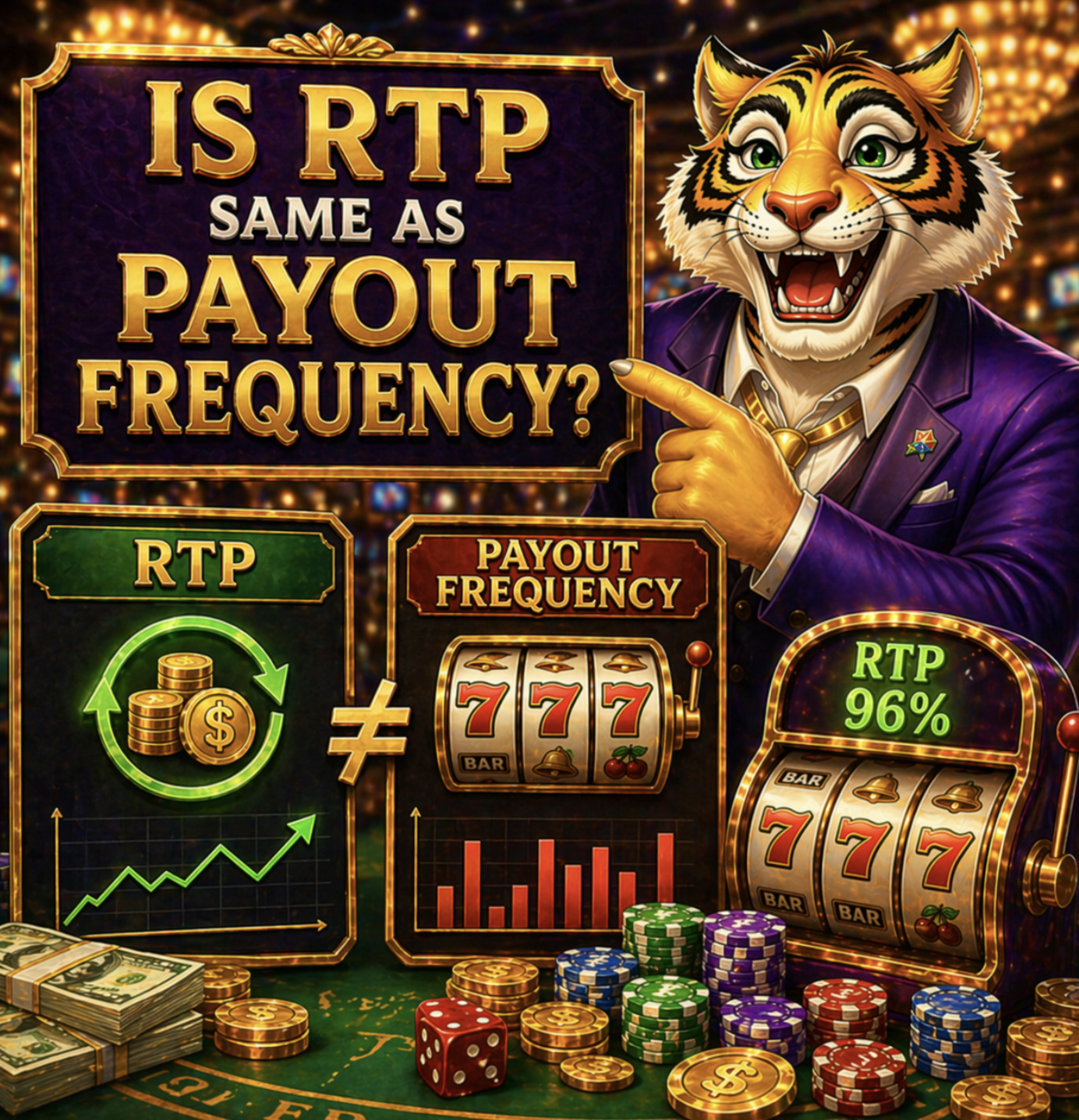
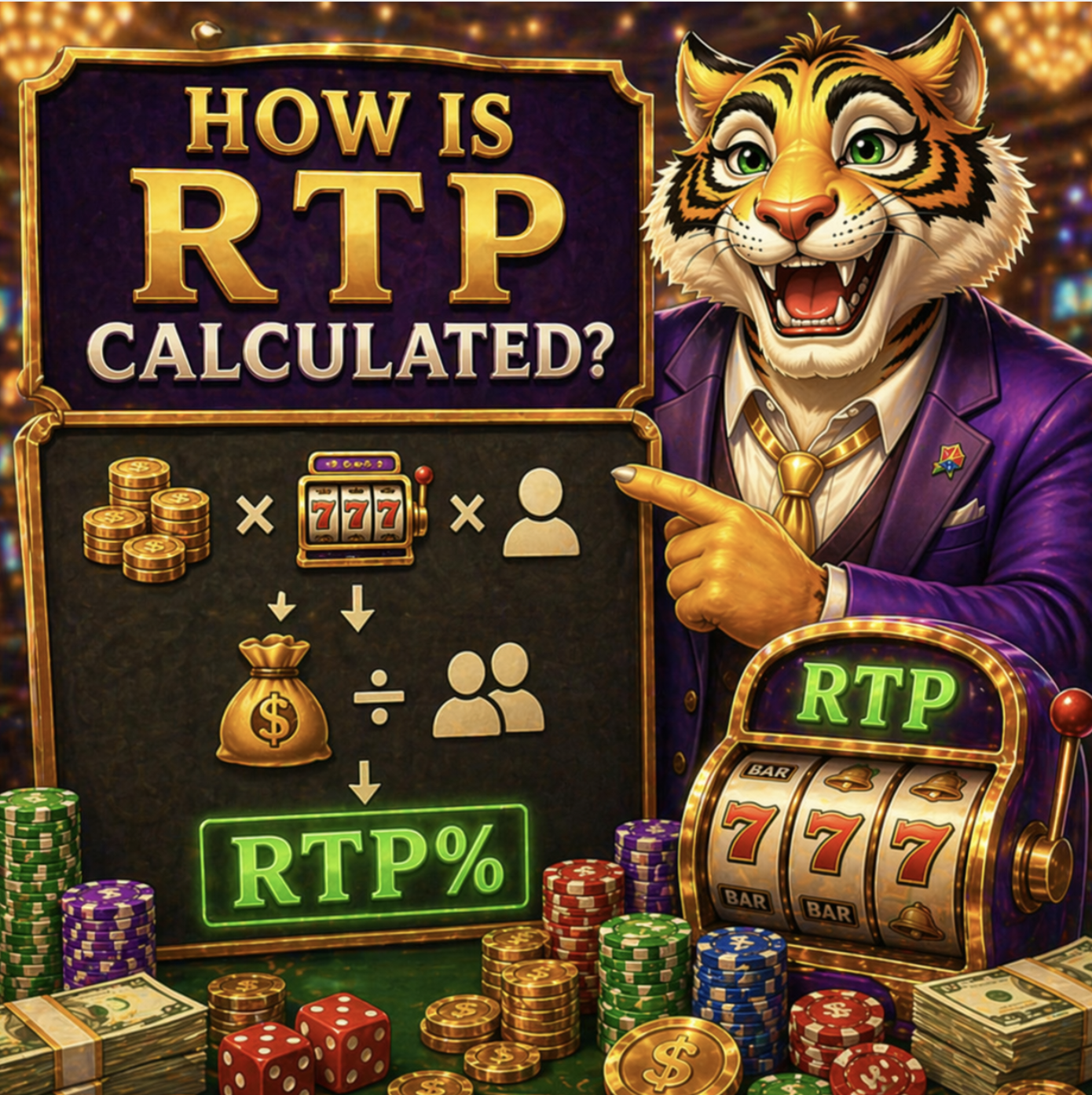
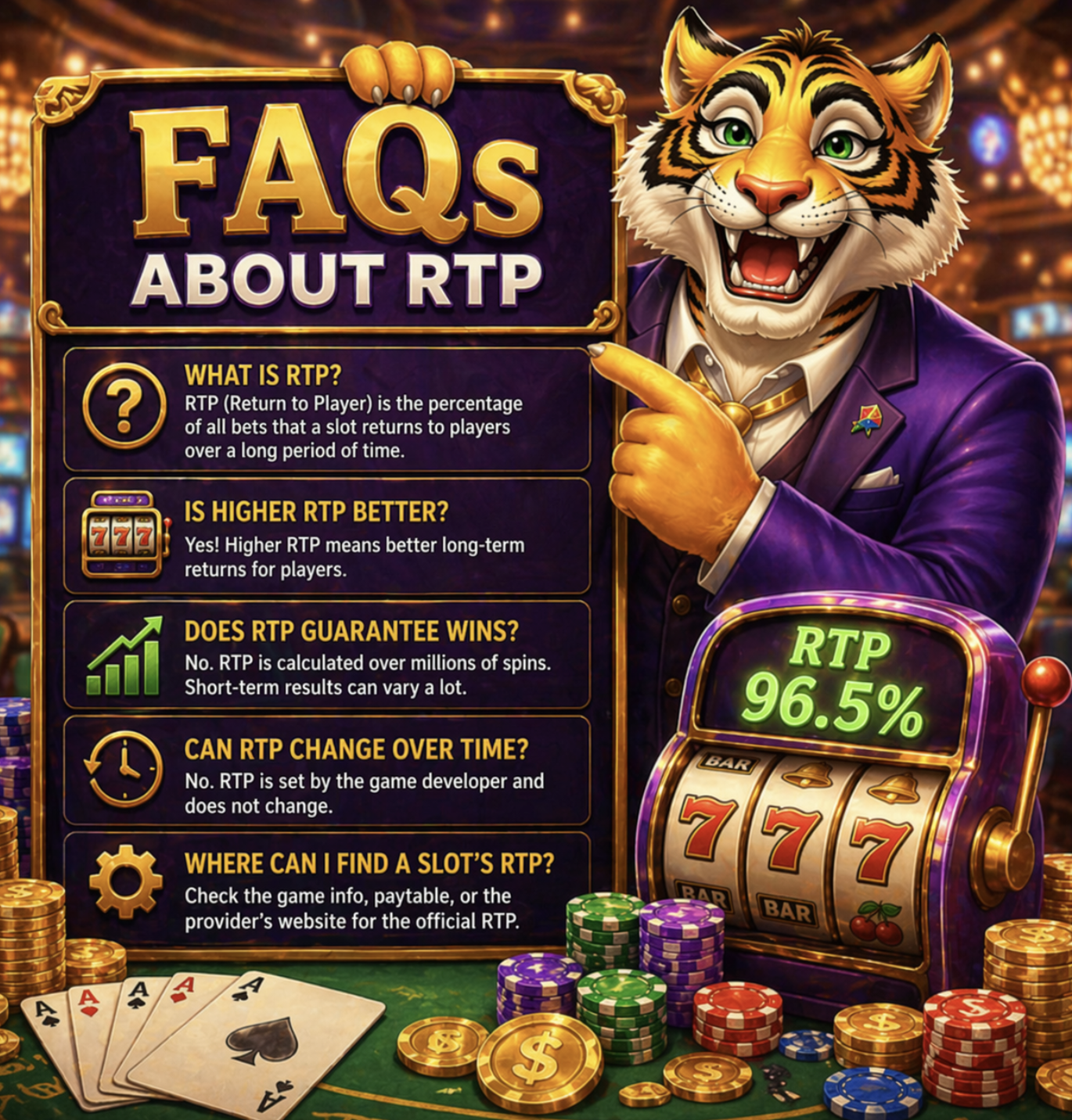
Slot machines cannot remember previous results because they're not programmed to. The payout cycles myth suggests machines must pay after collecting enough money—this mechanism doesn't exist. Return to Player percentages are calculated over millions of spins, not gaming sessions.
This psychological trap convinces players that past events influence future probabilities. Both "due to hit" and "going cold after wins" beliefs are mathematically wrong and financially costly. Each spin carries identical odds regardless of history. 🎲
Some players believe casinos adjust slot payouts in real-time. Slot machine myths rules from gaming authorities explicitly prohibit dynamic payout manipulation. Changing RTP requires regulatory approval and recertification taking weeks or months.
Return to Player percentages are hardcoded during game development by software providers. The RTP reset rumor suggesting casinos reset machines after big wins is technically impossible. Once certified, mathematical return remains fixed until formally reconfigured through regulatory channels.
Believing certain hours offer better odds has zero basis in reality. Implementing time-based payout changes would violate gaming regulations in every US jurisdiction.
|
Aspect |
Casino control |
Player impact |
Regulatory limits |
Verification method |
|
🎯 RTP setting |
Select from certified options |
Affects long-term returns |
Must use approved values |
Gaming commission audits |
|
🎲 Individual spin outcome |
❌ Zero control |
Completely random |
Prohibited by law |
RNG certification |
|
🎰 Game availability |
✅ Full control |
Choose what to play |
None |
N/A |
|
💰 Bet limits |
✅ Set minimums/maximums |
Budget management |
Disclosure required |
Posted on machines |
|
🎁 Bonus frequency |
❌ Built into game math |
Random triggers |
Certified rates |
Independent testing |
US gaming commissions verify everything through detailed electronic logs tracking every spin and outcome. Penalties for tampering include massive fines, license revocation, and criminal charges.
This belief suggests casinos track card users and reduce their odds. The theory fundamentally misunderstands how casino technology works—player tracking and RNG systems are completely separate.
Player tracking software and game RNG operate as independent systems with no communication. The tracking records your bets and comps while RNG determines outcomes on different servers entirely.
Confirmation bias drives this belief—players remember losing sessions when their card was inserted. Casinos actually benefit from players winning while using cards since winners become loyal customers.
Loyalty programs return approximately 0.1% to 0.5% of wagered amounts through comps and cashback. Playing without a card means donating this value while gaining nothing. 💡
Some players believe betting maximum coins fundamentally improves odds. This oversimplification contains a grain of truth that gets dangerously exaggerated.
Progressive jackpots often require maximum bets for jackpot eligibility. If spinning a progressive at less than max bet, you might hit jackpot symbols but receive only base payout. Always check paytable requirements.
Standard video slots maintain identical RTP regardless of bet amount. Higher bets don't unlock secret bonus frequencies or improve winning chances.
|
Slot type |
Max bet required? |
RTP change |
Jackpot eligibility |
Recommended strategy |
|
🎰 Standard video slot |
❌ No |
None |
N/A |
Bet for session length |
|
💎 Progressive jackpot |
✅ Usually yes |
None |
Max bet only |
Max bet or skip |
|
🎁 Multi-level bonus |
Sometimes |
Possible |
Varies |
Check paytable |
|
🏆 Fixed jackpot |
❌ No |
None |
Any bet |
Personal preference |
|
🌟 Megaways |
❌ No |
None |
Any bet |
Match to bankroll |
A $100 bankroll at $5 per spin lasts approximately 20 spins during losing streaks. That same bankroll at $0.50 survives 200 spins—ten times more entertainment. 🎯
Gamblers sometimes flock to newly installed machines believing they're programmed more generously. Neither new nor old preference reflects how RTPs actually work.
Modern regulatory minimums require 75% to 90%+ RTP depending on jurisdiction. The loose lever theory suggesting old mechanical slots paid better has no mathematical basis—modern games are generally more player-friendly.
Modern slots deliver superior graphics and complex bonus rounds creating stronger emotional responses. A gorgeous new game with 95% RTP returns exactly the same value as a basic game with identical RTP.
Seeing jackpot symbols land just above or below the payline feels like almost winning. This reaction is natural, intentional, and mathematically meaningless.
Near-miss programming places high-value symbols frequently on virtual reels knowing they'll land visibly near paylines without paying. This keeps players engaged without improving odds.
Modern slots use virtual reel strips far longer than visible positions suggest. Jackpot symbols appear frequently on physical reels but represent rare positions on mathematical strips determining actual payouts.
Near misses trigger the "one more spin" impulse depleting bankrolls. That almost-jackpot means nothing statistically—next spin has identical odds regardless of previous results.
Winners sometimes rush to switch machines believing luck will "balance out." Both staying and leaving strategies assume machines respond to recent outcomes—they don't.
Slots lack any mechanism to track previous results. Gaming regulations prohibit compensation features. Your jackpot triggers zero changes to subsequent spin probabilities.
Switching machines doesn't reset luck because luck isn't a depleting resource. Protecting winnings requires actually leaving the casino, not musical chairs between machines.
Players convince themselves that manually pressing spin gives better results. Mathematically, this distinction is meaningless.
Whether triggered manually or automatically, each spin requests a random number from identical systems. The RNG audit seal confirms this equivalence explicitly.
The illusion of control makes manual spinning feel more engaging. Your brain prefers feeling involved even when involvement is meaningless mathematically.
Autoplay typically spins faster, depleting bankrolls quicker during losing periods. These concerns involve player behavior, not game mathematics.
|
Aspect |
Manual play |
Autoplay |
Impact on odds |
Real difference |
|
🎲 RNG results |
Random |
Random |
❌ None |
Identical |
|
⚡ Spin speed |
Player-controlled |
Maximum |
❌ None |
Faster depletion |
|
🧠 Engagement |
High |
Low |
❌ None |
Attention varies |
|
⏱️ Bankroll longevity |
Longer sessions |
Faster play |
❌ None |
Session length varies |
|
🎯 Win probability |
Fixed RTP |
Fixed RTP |
❌ None |
Mathematically identical |
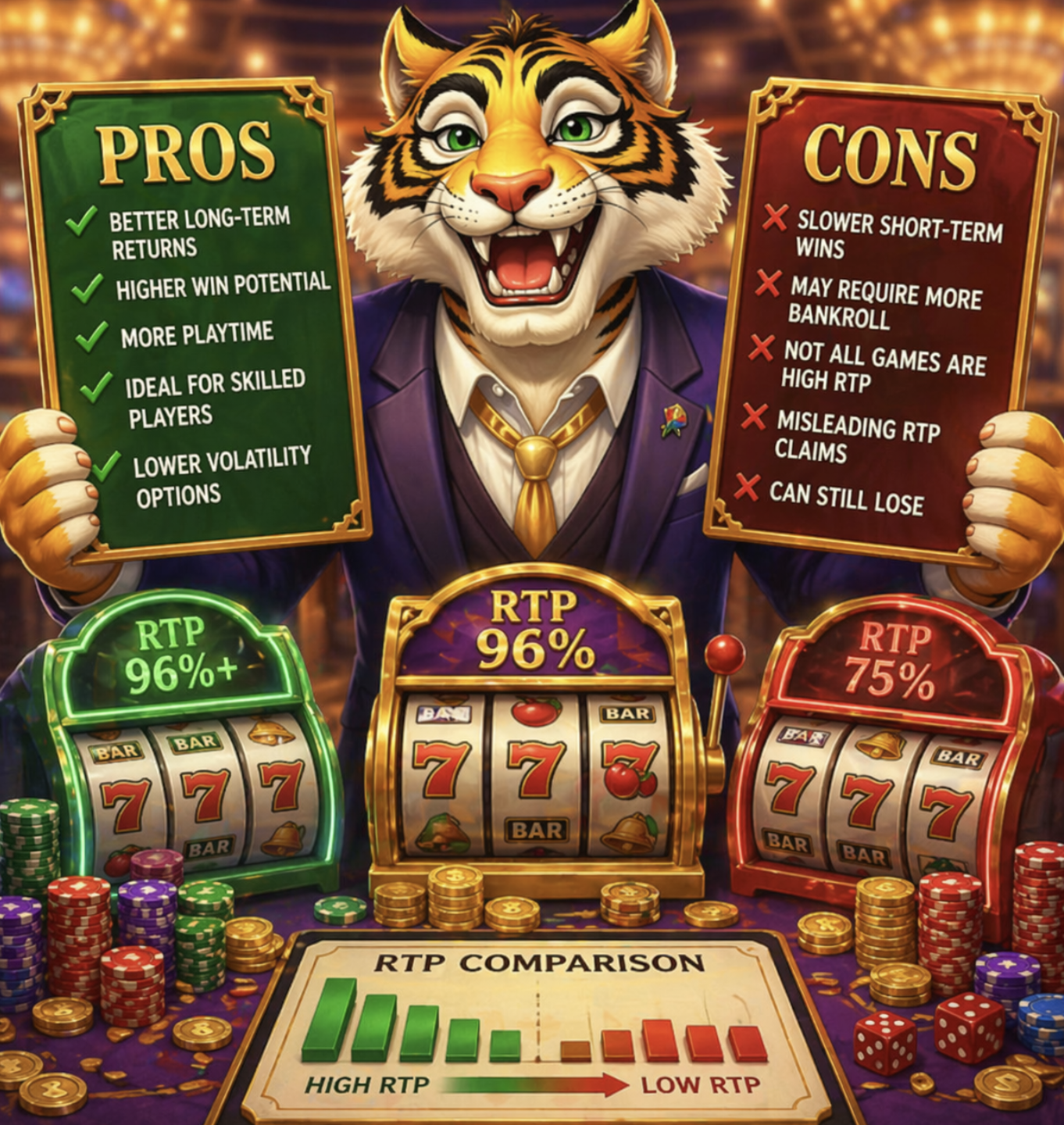
Smart players maximize returns through informed game selection, volatility matching, and disciplined bankroll management.
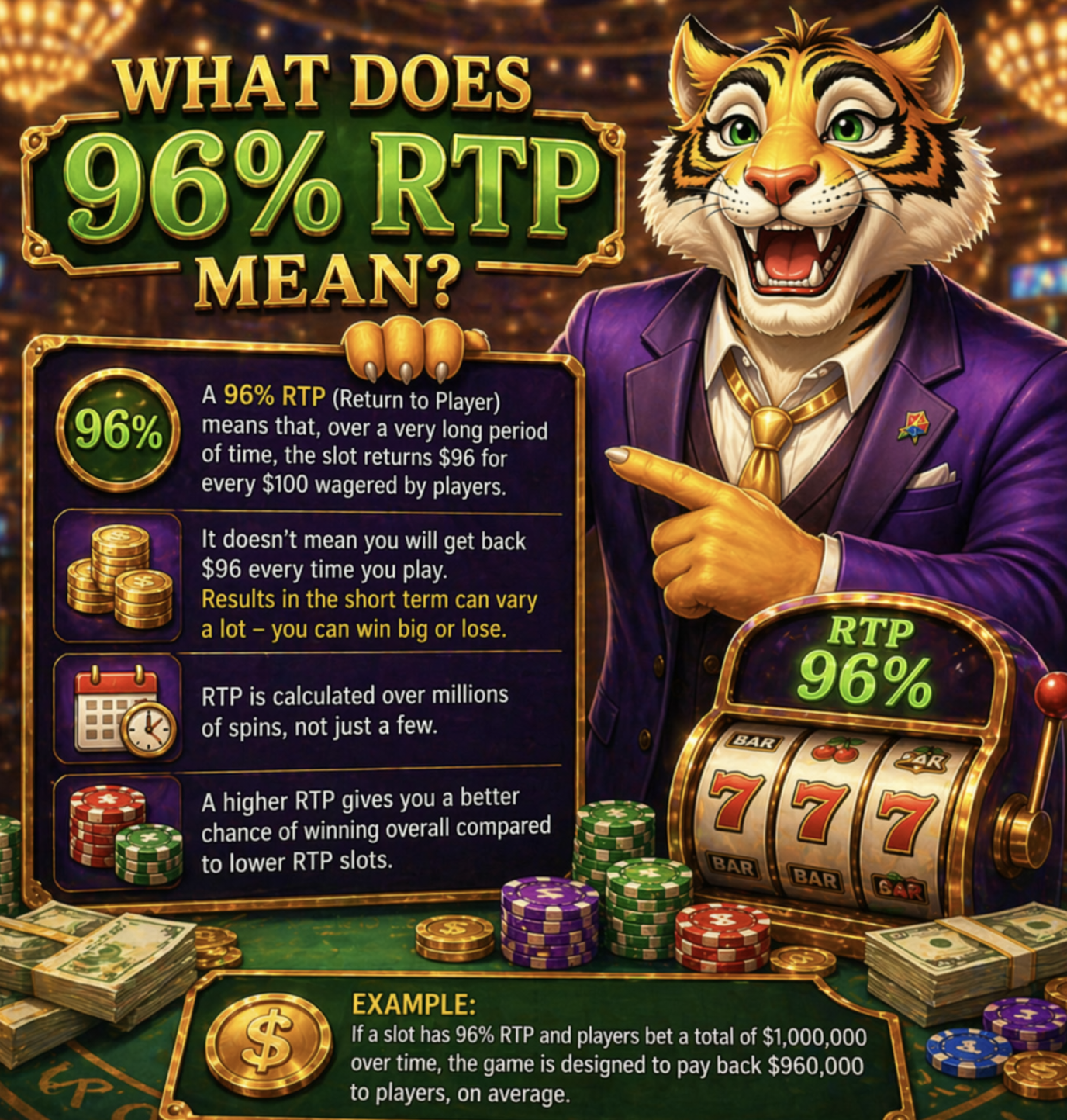
A 97% RTP slot returns $30 more per $1,000 wagered than 94% RTP alternative. Always check RTP in game information sections.
|
RTP % |
Expected return |
Expected loss |
Spins at $1 bet |
Difference vs 96% RTP |
|
📉 94% |
$940 |
$60 |
940 |
-$20 worse |
|
📊 95% |
$950 |
$50 |
950 |
-$10 worse |
|
⚖️ 96% |
$960 |
$40 |
960 |
Baseline |
|
📈 97% |
$970 |
$30 |
970 |
+$10 better |
|
🎯 98% |
$980 |
$20 |
980 |
+$20 better |
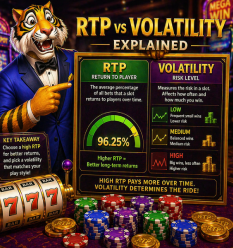
High volatility slot machine myths games pay larger amounts less frequently while low volatility delivers smaller wins more often. Match volatility to your bankroll size and session goals.
Set maximum losses before playing and stick to that number regardless of outcomes. This discipline preserves bankroll better than any betting system.
Select bet sizes allowing substantial play time within your budget. Size bets to maximize entertainment value, not chase unrealistic amounts. 💡
Understanding why humans believe false slot machine myths and facts helps recognize cognitive traps. Our brains didn't evolve for evaluating random probability.
Pattern recognition kept ancestors alive but now convinces us slot machines follow patterns. These beliefs feel true because brains find patterns everywhere—even in random data.
We remember dramatic wins vividly while gradual losses blur together. When evaluating strategies, rely on tracked data rather than memorable moments. 🎰
Ready to apply this knowledge? Visit luckytigercasino.com to experience fair, certified slot games.






























































.png)















 slots.png)










.png)












.png)













.png)







































.png)